
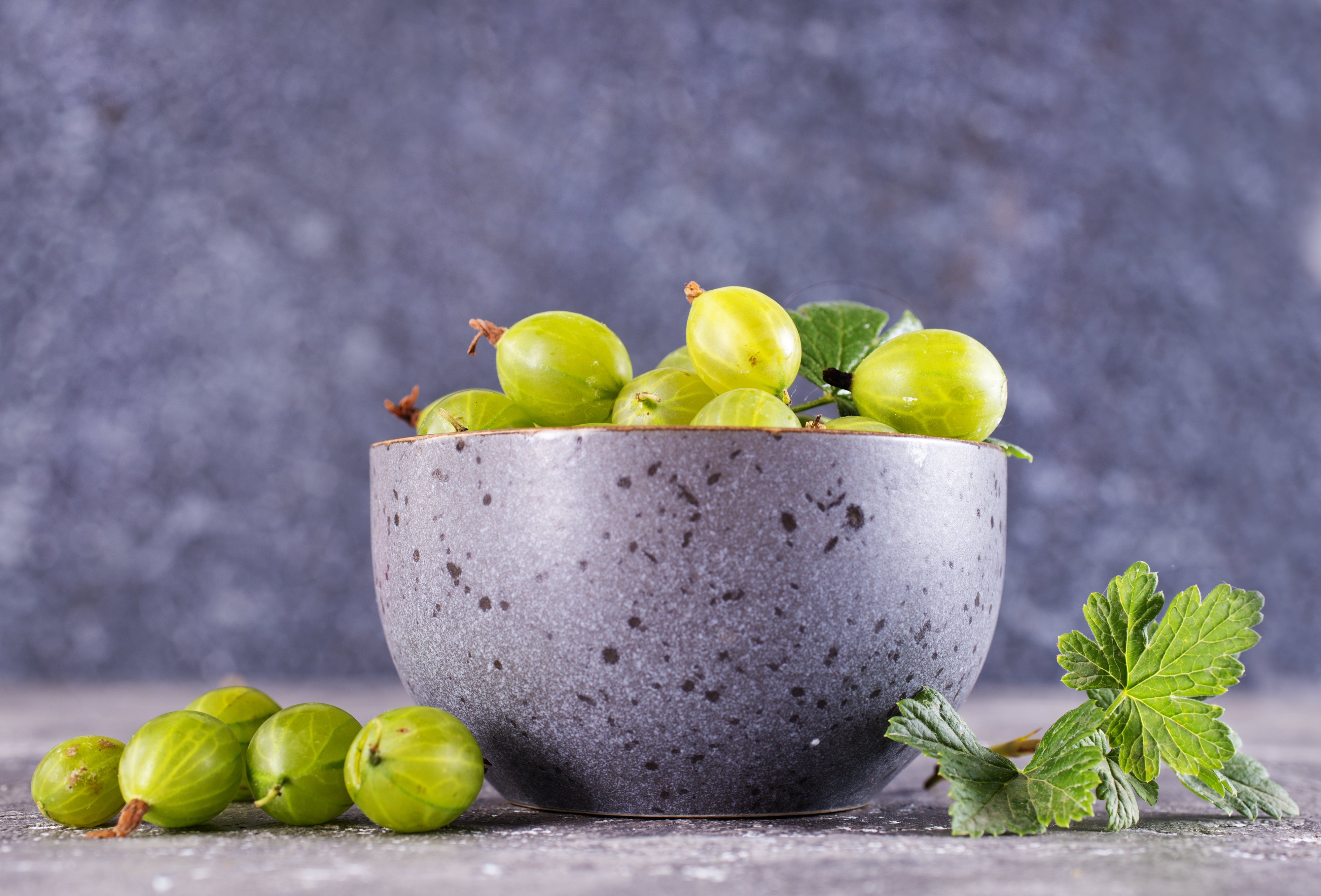
Gastroesophageal reflux disease (GERD) is a common gastrointestinal condition characterized by the reflux of stomach contents into the oesophagus, causing troublesome symptoms such as heartburn, regurgitation and upper abdominal discomfort. Its management primarily involves lifestyle modifications and acid-suppressive medications, particularly proton pump inhibitors (PPIs). In recent years, interest in complementary approaches has increased, drawing attention to Amla (Phyllanthus emblica), also known as Indian gooseberry, which has a long history of use in Ayurvedic medicine for digestive health. Amla contains vitamin C, polyphenols, tannins and gallic acid, which contribute to its antioxidant properties and provide a basis for investigating its potential gastrointestinal benefits. However, the presence of these bioactive compounds does not establish its effectiveness in controlling acid reflux or healing oesophageal injury. Understanding the traditional uses of amla, its proposed mechanisms of action and the limitations of current scientific evidence is essential when evaluating its role as a complementary approach to GERD management.1
Potential role of amla in GERD
Amla has traditionally been used to support digestive health. Its potential relevance to GERD is based on its bioactive compounds and preliminary clinical findings.
- Antioxidant activity: Amla contains polyphenols that may help counter oxidative stress. Whether this translates into clinically meaningful protection against reflux-related oesophageal injury remains uncertain2
- Potential anti-inflammatory effects: Experimental studies suggest that amla constituents may influence inflammatory pathways. Direct evidence of reduced oesophageal inflammation in patients with GERD is limited
- Symptom relief: A clinical trial has investigated whether amla supplementation can reduce the frequency and severity of heartburn and regurgitation in patients with non-erosive reflux disease
These proposed mechanisms should be considered preliminary rather than established therapeutic effects.
Clinical evidence
A randomized, double-blind, placebo-controlled clinical trial evaluated amla in patients with non-erosive reflux disease (NERD). The study included 68 participants who received either amla tablets or a placebo for four weeks. The amla group received 500 mg tablets twice daily after meals, while the control group received matching placebo tablets. The investigators reported reductions in the frequency and severity of heartburn and regurgitation in both groups, with greater improvement in the amla group during the study period. These findings suggest a possible role for amla in symptom management in selected patients.3
Practical considerations
- Complementary use: Amla may be considered a complementary dietary or herbal option, with clear communication about the limitations of current evidence
- Individual assessment: Clinicians should consider the patient's symptoms, existing treatment, concomitant medications and tolerance before discussing amla use
- Available formulations: Amla is available as fresh fruit, juice, powder and standardized extracts. These preparations vary in composition and concentration, so findings from trials involving one formulation may not apply to others
- Dosage considerations: Doses used in clinical trials should not be interpreted as universally recommended doses for GERD
- Symptom monitoring: Acidic amla preparations may aggravate heartburn or regurgitation in some individuals. Patients should discontinue use if symptoms worsen after consumption
- Continuation of standard treatment: Amla should not replace prescribed acid-suppressive medications, indicated diagnostic investigations or appropriate medical follow-up
Conclusion
Amla (Phyllanthus emblica) is a traditional Ayurvedic fruit with antioxidant properties and preliminary clinical evidence suggesting possible improvement in heartburn and regurgitation in patients with non-erosive reflux disease. Nevertheless, the evidence is limited by small sample size, short follow-up and uncertainty regarding different formulations. Further well-designed clinical trials are required before amla can be recommended as an established treatment for GERD. For current clinical practice, it should be considered, if appropriate, only as a complementary option alongside evidence-based management.
Reference:
- Gul M, Liu ZW, Iahtisham-Ul-Haq, et al. Functional and Nutraceutical Significance of Amla (Phyllanthus emblica L.): A Review. Antioxidants (Basel). 2022;11(5):816. Published 2022 Apr 22. doi:10.3390/antiox11050816 https://pmc.ncbi.nlm.nih.gov/articles/PMC9137578/
- G Singh P, S Jain A, B Sridhara Setty P, et al. Antimicrobial, antioxidant and anti-inflammatory activities of seeds from emblica officinalis (Gaertn.). Bioinformation. 2022;18(8):683-691. Published 2022 Aug 31. doi:10.6026/97320630018683 https://pmc.ncbi.nlm.nih.gov/articles/PMC10266361/
- Karkon Varnosfaderani S, Hashem-Dabaghian F, Amin G, et al. Efficacy and safety of Amla (Phyllanthus emblica L.) in non-erosive reflux disease: a double-blind, randomized, placebo-controlled clinical trial. J Integr Med. 2018;16(2):126-131. doi:10.1016/j.joim.2018.02.008 https://pubmed.ncbi.nlm.nih.gov/29526236/