
Introduction
Polycystic ovary syndrome (PCOS) is a prevalent endocrine disorder and a leading cause of infertility among women of reproductive age, affecting approximately 6–10% of this population. It is characterized by ovarian dysfunction, androgen imbalance, and a spectrum of clinical manifestations including hirsutism, acne, menstrual irregularities, infertility, obesity, and insulin resistance. Emerging evidence highlights the role of chronic low-grade systemic inflammation in the progression and severity of PCOS, particularly in metabolically compromised individuals.
Pathophysiological relevance in PCOS
Systemic inflammation is increasingly recognized as a key factor in PCOS pathogenesis. Obesity, especially abdominal obesity, contributes to disease progression by enhancing adipose tissue-driven inflammatory activity, thereby creating a self-perpetuating metabolic-inflammation cycle. This inflammatory state is reflected in elevated serum levels of tumor necrosis factor-α (TNF-α), interleukin-6 (IL-6), and C-reactive protein (CRP), indicating sustained immune activation.
Key inflammatory mechanisms include:
- TNF-α overexpression, contributing to adipose tissue proliferation and insulin resistance
- IL-6 mediated inflammatory signaling, affecting ovulation, implantation, and fertilization processes
- CRP elevation as a hepatic acute-phase response driven by IL-6 stimulation
- Chronic cytokine imbalance, sustaining low-grade systemic inflammation 1
Ayurvedic nutritional and therapeutic relevance
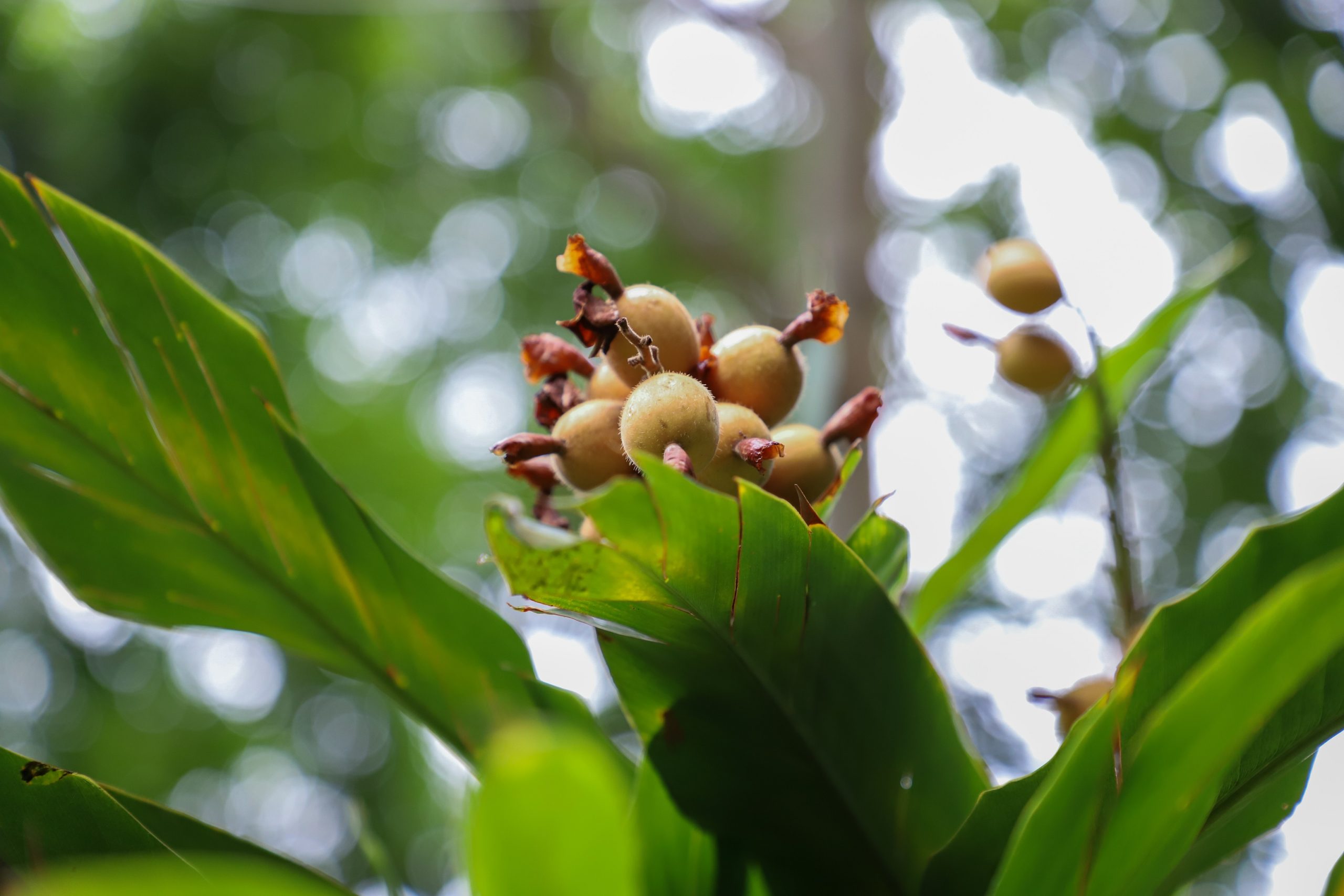
Within an integrative Ayurvedic perspective, dietary modulation plays a critical role in restoring metabolic balance and reducing inflammatory burden. Elettaria cardamomum, commonly known as green cardamom, is a traditional aromatic plant belonging to the Zingiberaceae family. It is widely recognized for its supportive role in metabolic and inflammatory regulation, aligning with dietary strategies aimed at improving systemic equilibrium in PCOS.
Green cardamom possesses bioactive compounds that contribute to its therapeutic profile, particularly in conditions associated with metabolic dysregulation and inflammation.
Phytochemical basis and pharmacological actions
The therapeutic potential of green cardamom is attributed to its rich composition of polyphenols and flavonoids, including lutein, anthocyanin, and quercetin. These constituents support its antioxidant and anti-inflammatory properties, which are particularly relevant in inflammatory metabolic disorders such as PCOS.
Pharmacological relevance includes:
- Anti-inflammatory modulation, supporting reduction of cytokine-mediated activity
- Antioxidant effects, contributing to cellular protection against oxidative stress
- Antibacterial activity, supporting systemic microbial balance
- Metabolic support, relevant to obesity-associated inflammatory conditions
Clinical implications in PCOS management
Given the association between low-grade chronic inflammation and PCOS progression, nutritional and phytotherapeutic interventions targeting inflammatory pathways represent a supportive approach. Green cardamom, due to its anti-inflammatory and antioxidant profile, aligns with dietary strategies aimed at reducing inflammatory markers and improving metabolic regulation in obese women with PCOS.
Conclusion
Elettaria cardamomum demonstrates significant phytotherapeutic relevance in inflammatory metabolic disorders such as PCOS. Its polyphenol-rich composition supports anti-inflammatory and antioxidant activity, offering a nutritionally relevant approach to modulating chronic low-grade inflammation associated with hormonal and metabolic imbalance.2
References:
- Chow LS, Mashek DG, Wang Q, Shepherd SO, Goodpaster BH, Dubé JJ. Effect of acute physiological free fatty acid elevation in the context of hyperinsulinemia on fiber type-specific IMCL accumulation. J Appl Physiol (1985). 2017;123(1):71-78. doi:10.1152/japplphysiol.00209.2017. https://pmc.ncbi.nlm.nih.gov/articles/PMC5538810/
- Cheshmeh S, Ghayyem M, Khamooshi F, et al. Green cardamom plus low-calorie diet can decrease the expression of inflammatory genes among obese women with polycystic ovary syndrome: a double-blind randomized clinical trial. Eat Weight Disord. 2022;27(2):821-830. doi:10.1007/s40519-021-01223-3. https://pmc.ncbi.nlm.nih.gov/articles/PMC8166375/