
Introduction
Tamaka shvasa, as described in Ayurvedic classics, closely resembles bronchial asthma, one of the most significant respiratory disorders. The condition is characterized by recurrent respiratory symptoms that can substantially affect quality of life. The increasing prevalence of bronchial asthma has been associated with environmental changes, pollutants, and allergen exposure. In Shvasa Chikitsa, Charaka described a combination of Sati, Pushkara, and Amalaki, highlighting the traditional importance of these herbs in respiratory care. 1
Ayurvedic significance of Pushkaramoola
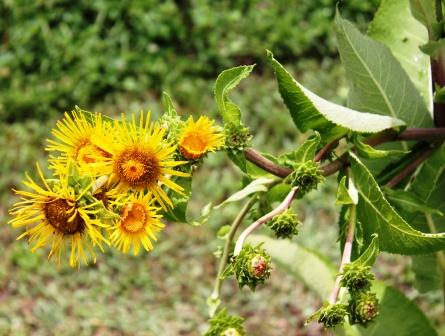
Pushkaramoola (Inula racemosa) is a perennial herb native to the Himalayan region and occupies an important place in Ayurveda. It is regarded as a valuable medicinal plant with diverse therapeutic applications and has traditionally been recognized as a Rasayana.
The Sanskrit term “Pushkara” translates to “the best,” reflecting the high regard attributed to the herb in traditional healing practices. The fleshy and aromatic roots are considered the principal medicinal part, although other parts of the plant may also possess therapeutic value. The longstanding use of Pushkaramoola in Ayurvedic practice underscores its relevance in promoting health and supporting respiratory wellness.
Bioactive constituents and therapeutic relevance
- Pushkaramoola contains a variety of bioactive constituents, including sesquiterpene lactones, flavonoids, and polysaccharides. These phytochemical components contribute to its medicinal properties and support its traditional therapeutic applications.
- The herb is particularly valued in respiratory health and is traditionally used in conditions associated with cough, asthma, bronchitis, and respiratory congestion. Its role in respiratory care is linked to properties that support airway clearance and facilitate easier breathing. Pushkaramoola is also recognized for its expectorant and bronchodilator actions, making it a notable herb in the management of respiratory disorders.
Role in respiratory health
Respiratory disorders often involve airway obstruction, congestion, and breathing difficulty. Within Ayurvedic practice, Pushkaramoola has been utilized to support respiratory function and improve airway comfort. Its traditional use in asthma-like conditions aligns with its reputation as a respiratory-supportive herb.
The inclusion of Pushkaramoola in classical Ayurvedic formulations and treatment approaches for Tamaka shvasa further emphasizes its importance in managing respiratory conditions characterized by impaired airflow and recurrent symptoms.
Conclusion
Pushkaramoola (Inula racemosa) remains an important herb in Ayurvedic respiratory care, particularly in the context of Tamaka shvasa. Its traditional classification as a Rasayana, combined with its expectorant and bronchodilator properties, highlights its relevance in supporting respiratory health and promoting easier breathing. Its continued significance in Ayurvedic practice reflects its longstanding association with the management of asthma-like respiratory disorders. 2
References:
1. Prasad AJVS, Upadhyay BN. Management of tamakashvasa (bronchial asthma) with Pushkaramooladi choorna. Anc Sci Life. 1998;18(2):130–133. https://pmc.ncbi.nlm.nih.gov/articles/instance/3331079/pdf/ASL-18-130.pdf
2. Tiwari S, Kaur H. Pushkaramoola in Ayurvedic medicine—bridging tradition with scientific evidence. J Biotechnol Biomed. 2024;7(2):225. https://cdn.fortunejournals.com/articles/pushkaramoola-in-ayurvedic.pdf