
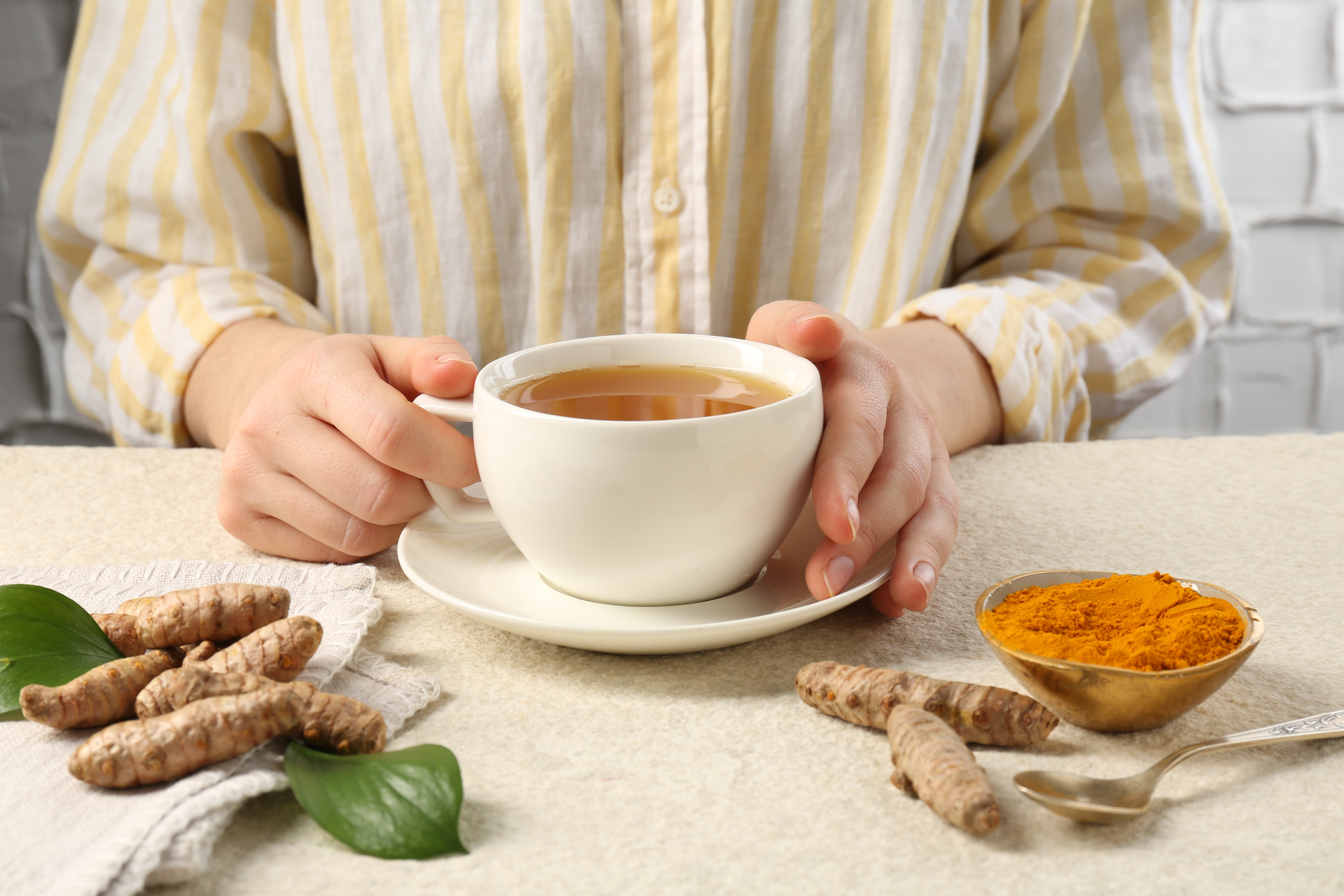
Polycystic ovary syndrome (PCOS) is a common endocrine and metabolic disorder associated with ovulatory dysfunction, hyperandrogenism, and increased risk of impaired glucose regulation. Insulin resistance and compensatory hyperinsulinemia contribute to metabolic abnormalities and may aggravate androgen excess in susceptible individuals. In Ayurveda, Nimba (Azadirachta indica) and Haridra (Curcuma longa) have traditionally been used for their diverse medicinal properties. Contemporary research has investigated neem extracts and curcumin, a bioactive constituent of turmeric, for potential metabolic effects. However, clinical evidence differs substantially between these botanicals, and neither should be considered an established treatment for insulin-resistant PCOS.1, 2, 3
Traditional uses and potential mechanisms
- Nimba: Neem has traditionally been used in Ayurvedic practice for various health concerns. Experimental studies suggest potential glucose-regulating, antioxidant, and anti-inflammatory activities, although its specific effects on insulin resistance in PCOS remain unestablished.2
- Haridra: Turmeric has a long history of traditional medicinal use. Curcumin has demonstrated potential anti-inflammatory and metabolic effects in experimental research, prompting clinical investigation of insulin sensitivity and glycemic parameters in PCOS.1,3
- Potential mechanisms: Curcumin may influence inflammatory signaling and pathways involved in glucose and lipid metabolism. Proposed mechanisms for neem include modulation of glucose homeostasis, but their clinical relevance to PCOS remains uncertain.
Clinical evidence and relevance to PCOS
Clinical findings are more direct for curcumin than for neem, but the evidence remains preliminary.
- A randomized, placebo-controlled trial reported improvements in fasting glucose and selected metabolic parameters following curcumin supplementation in women with PCOS; effects on hormonal outcomes were inconsistent.1
- A systematic review and meta-analysis found potential improvements in fasting glucose, fasting insulin, and insulin resistance with curcumin, although limitations in trial quality and duration restrict clinical conclusions.3
- A clinical study of neem extract reported improvements in glycemic parameters among individuals with metabolic syndrome; these findings cannot be directly extrapolated to women with PCOS.2
|
Clinical consideration |
Relevance to practice |
|
Nimba |
Evidence specific to insulin-resistant PCOS is insufficient. |
|
Haridra |
Preliminary clinical evidence suggests possible metabolic benefits from curcumin supplementation. |
|
Safety and interactions |
Concentrated preparations may interact with medications; safety during pregnancy and long-term use requires consideration. |
|
Established management |
Lifestyle intervention and indicated pharmacotherapy remain central to PCOS management. |
Safety and clinical precautions
- Neem preparations should be used cautiously because formulation-specific safety data are limited, and medicinal neem products should be avoided during pregnancy because of reproductive safety concerns.
- Curcumin supplements may cause gastrointestinal symptoms, and concentrated or enhanced-bioavailability formulations require additional safety consideration.
- Potential additive glucose-lowering effects warrant monitoring in patients taking antidiabetic medications. Medication interactions should be reviewed individually, particularly when multiple supplements are used.
- The 2023 international PCOS guideline recommends lifestyle intervention for metabolic health and consideration of Metformin for appropriate patients; herbal preparations should not replace evidence-based care.4
Conclusion
Nimba and Haridra have traditional medicinal relevance and potential biological activities, but their roles in insulin-resistant PCOS are not equally supported by clinical evidence. Curcumin has shown preliminary metabolic benefits, whereas direct evidence for neem in PCOS remains inadequate. Both require further research to establish appropriate formulations, efficacy, reproductive safety, and drug interactions. Ayurvedic clinicians should integrate individualized traditional care with established metabolic assessment and evidence-based PCOS management.
References
- Heshmati J, Moini A, Sepidarkish M, et al. Effects of curcumin supplementation on blood glucose, insulin resistance and androgens in patients with polycystic ovary syndrome: A randomized double-blind placebo-controlled clinical trial. Phytomedicine. 2021;80:153395. doi:10.1016/j.phymed.2020.153395. https://pubmed.ncbi.nlm.nih.gov/33137599/
- Pingali U, Vuppalanchi B, Nutalapati C, Gundagani S. Aqueous Azadirachta indica (Neem) Extract Attenuates Insulin Resistance to Improve Glycemic Control and Endothelial Function in Subjects with Metabolic Syndrome. J Med Food. 2021;24(11):1135-1144. doi:10.1089/jmf.2020.4838. https://pubmed.ncbi.nlm.nih.gov/34582720/
- Shen W, Qu Y, Jiang H, et al. Therapeutic effect and safety of curcumin in women with PCOS: A systematic review and meta-analysis. Front Endocrinol (Lausanne). 2022;13:1051111. Published 2022 Oct 27. doi:10.3389/fendo.2022.1051111. https://pmc.ncbi.nlm.nih.gov/articles/PMC9646792/
- Teede HJ, Tay CT, Laven JJE, et al. Recommendations From the 2023 International Evidence-based Guideline for the Assessment and Management of Polycystic Ovary Syndrome. J Clin Endocrinol Metab. 2023;108(10):2447-2469. doi:10.1210/clinem/dgad463. https://pmc.ncbi.nlm.nih.gov/articles/PMC10505534/