
Introduction
Allergic rhinitis is among the most prevalent atopic conditions globally, with its burden compounded by rising rates of associated disorders such as asthma, atopic dermatitis, and urticaria. Air pollution and dietary habit changes have been implicated in this increasing prevalence. Despite advances in understanding allergic pathogenesis and the availability of synthetic molecules, effective long-term management of allergic rhinitis remains a clinical challenge. Ayurveda, recognized by the WHO as a traditional medical system relied upon by approximately 65% of the global population, offers time-tested polyherbal formulations as a rational therapeutic alternative.1,2,3
Allergic rhinitis and the polyherbal rationale
Allergic diseases involve multiple simultaneous biological pathways, making single-molecule therapies inherently limited. Key considerations include:
- Multifactorial pathogenesis: Multiple biological targets are implicated in allergic rhinitis, necessitating a multi-component therapeutic approach
- Polyherbal advantage: Combining herbs in specific ratios, as advocated in the classical text Sarangdhar Samhita, amplifies therapeutic efficacy and reduces toxicity compared to single-herb use.
- WHO endorsement: Traditional medicine systems, including Ayurveda, are globally acknowledged for their population-level healthcare relevance.
Formulation profiles
Haridra khanda and manjisthadi kwath (brihat) are two well-established polyherbal Ayurvedic formulations with longstanding clinical use among Ayurvedic practitioners across India.
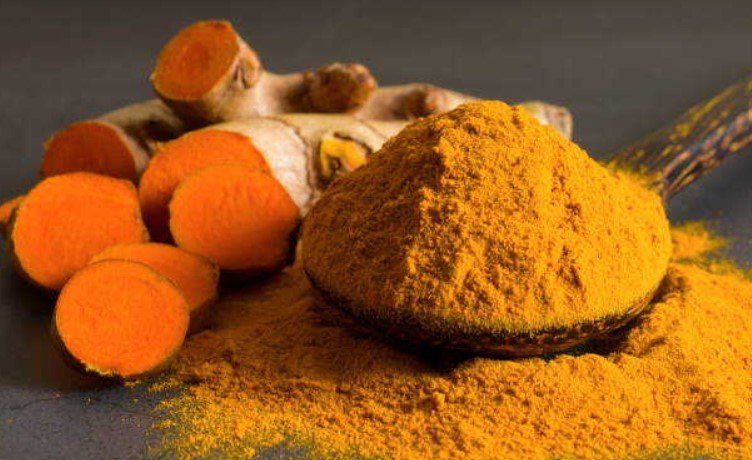
- Haridra khanda: A bright yellow-colored powdered solid dosage form, classically indicated in urticaria, itching, and blisters
- Manjisthadi kwath (brihat): A dark brown-colored tablet, traditionally employed in gout, skin disorders, facial palsy, disorders of adipose tissue, and eye conditions
Together, their classical indications span the full spectrum of allergic and inflammatory skin and mucosal conditions, positioning them as complementary formulations in allergic rhinitis management.
Pharmacological basis and anti-allergic potential
Both Haridra khanda and manjisthadi kwath (brihat) demonstrate dose-dependent inhibition of histamine-induced calcium (Ca2+) release, a central mechanistic pathway in allergic rhinitis and atopic responses. The constituent plants of both formulations contribute significantly to this anti-allergic action:
- Curcuma longa, Zingiber officinale, and Piper nigrum: Components of Haridra khanda with significant reported anti-allergic activity
- Rubia cordifolia, Piper longum, and Tinospora cordifolia: Components of manjisthadi kwath (brihat) with established anti-allergic properties
The collective inhibition of histamine-mediated Ca2+ release by these constituent herbs provides a pharmacological basis for the anti-allergic efficacy of both formulations in the context of allergic rhinitis. 4
Conclusion
Haridra khanda and manjisthadi kwath (brihat) present a pharmacologically grounded, classically validated dual-formulation approach to allergic rhinitis management. Through histamine pathway modulation via Ca2+ inhibition and the synergistic anti-allergic activity of their constituent herbs, these formulations address the multifactorial nature of allergic rhinitis in alignment with both Ayurvedic principles and contemporary pharmacological understanding.
References:
1. Lin BF, Chiang BL, Ma Y, Lin JY, Chen ML. Traditional Herbal Medicine and Allergic Asthma. Evid Based Complement Alternat Med. 2015;2015:510989. doi:10.1155/2015/510989. https://pmc.ncbi.nlm.nih.gov/articles/PMC4427778/
2. Wang X, Liu LJ, Li LF, Shi XD, Shen YW. Clinical Features of Urticaria: Results From a Hospital-Based Multicenter Study in China. Front Med (Lausanne). 2022;9:899857. Published 2022 Jun 9. doi:10.3389/fmed.2022.899857. https://pmc.ncbi.nlm.nih.gov/articles/PMC9220089/
3. Hoyte FCL, Nelson HS. Recent advances in allergic rhinitis. F1000Res. 2018;7:F1000 Faculty Rev-1333. Published 2018 Aug 23. doi:10.12688/f1000research.15367.1. https://pmc.ncbi.nlm.nih.gov/articles/PMC6107993/
4. Bhowmik R, Shaharyar MA, Kanakal MM, et al. Ayurvedic herbal formulations Haridra Khanda and Manjisthadi Kwath (brihat) in the management of allergic rhinitis: A pharmacological study. Heliyon. 2024;10(11):e31937. Published 2024 May 28. doi:10.1016/j.heliyon.2024.e31937. https://pmc.ncbi.nlm.nih.gov/articles/PMC11167347/#sec6