
Introduction
Childhood is characterized by rapid physical growth, cognitive development, and immune maturation. Adequate nutrition during this period is essential for maintaining healthy body weight, optimal organ function, and resistance to infections. However, recurrent illness, poor dietary habits, and micronutrient deficiencies may impair growth and immune function.
Ayurveda emphasizes the importance of Rasayana Chikitsa for strengthening Ojas, improving digestion, and enhancing disease resistance. Among all Rasayana herbs, Amalaki is highly valued because of its broad-spectrum health-promoting effects. Contemporary research has confirmed many of its traditional applications in nutritional and immune support.1
Ayurvedic perspective
Amalaki is described as:
- Predominantly Amla Rasa (sour taste) with five tastes except salt
- Laghu and Ruksha Guna (light and dry qualities)
- Sheeta Virya (cool potency)
- Madhura Vipaka
- Rasayana (rejuvenative)
- Balya (strength-promoting)
- Vayasthapana (promotes healthy growth and longevity)
- Tridoshahara (balances all three doshas)
These properties make it particularly beneficial for supporting immunity, digestion, and growth in children.
Phytochemical constituents
Major bioactive compounds include:
- Vitamin C (ascorbic acid)
- Emblicanin A and B
- Gallic acid
- Ellagic acid
- Flavonoids
- Tannins
- Polyphenols
These constituents contribute to the herb’s antioxidant and immunomodulatory effects.
Role in pediatric nutrition and immunity
Rich antioxidant activity:
Amalaki is among the most potent natural antioxidant sources used in Ayurveda. Its polyphenols and vitamin C help neutralize reactive oxygen species, protecting developing tissues from oxidative stress and supporting overall health.
Supports immune function:
Experimental and clinical studies demonstrate immunomodulatory effects that enhance both innate and adaptive immune responses. These actions contribute to improved resistance against common childhood infections.
Enhances digestion and nutrient absorption:
Ayurveda considers proper digestion (Agni) essential for growth and immunity. Amalaki supports digestive function, improves nutrient assimilation, and helps maintain gastrointestinal health.2
Promotes healthy growth:
Through its nourishing and Rasayana properties, Amalaki supports tissue development, physical growth, and overall vitality. Improved nutrient utilization further contributes to healthy childhood development.
Anti-inflammatory and antimicrobial effects
Amalaki exhibits anti-inflammatory and antimicrobial activities that may help reduce infection-related morbidity and support recovery from illness.
Clinical applications
Nutritional deficiencies:
Amalaki is frequently used as a supportive nutritional supplement in children with poor dietary intake, micronutrient deficiencies, and general debility.
Recurrent infections:
Its immune-enhancing and antioxidant properties make it valuable in children experiencing recurrent respiratory and gastrointestinal infections.
General health promotion:
As a Rasayana, Amalaki is widely used to support overall health, improve vitality, enhance growth, and maintain long-term wellness.
Common pediatric preparations
Chyawanprasha:
Amalaki is the principal ingredient of Chyawanprasha, a classical Rasayana formulation used to promote immunity, growth, and respiratory health.
Rasayana formulations:
Amalaki is incorporated into numerous pediatric Rasayana preparations designed to strengthen immunity and improve nutritional status.
Fresh fruit preparations
Fresh Amalaki juice, preserves, powders, and dietary preparations provide a natural source of antioxidants and micronutrients.
Conclusion
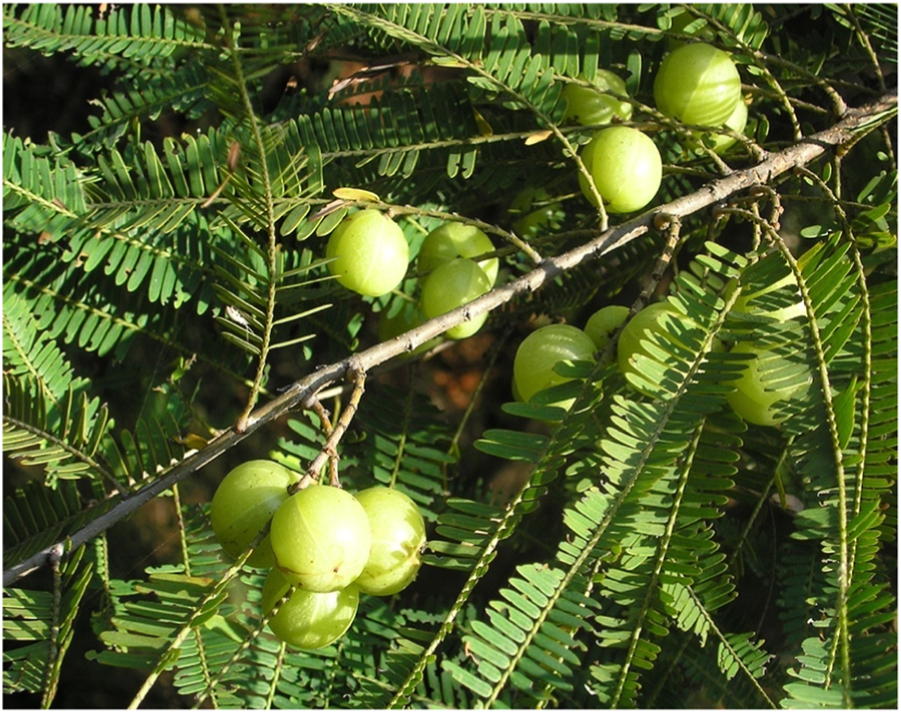
Amalaki (Phyllanthus emblica) is a cornerstone Ayurvedic Rasayana with significant applications in pediatric nutrition and immunity. Its potent antioxidant, immunomodulatory, digestive, and growth-promoting properties support healthy development and resistance to disease. Traditional preparations such as Chyawanprasha, Rasayana formulations, and fresh fruit products continue to be widely used in pediatric healthcare. Modern scientific evidence increasingly validates its role in nutritional support, immune enhancement, and general health promotion among children.
Reference:
- Variya BC, Bakrania AK, Patel SS. Emblica officinalis (Amla): A review for its phytochemistry, ethnomedicinal uses and medicinal potentials with respect to molecular mechanisms. Pharmacol Res. 2016 Sep;111:180-200. doi: 10.1016/j.phrs.2016.06.013. Epub 2016 Jun 15. PMID: 27320046. https://pubmed.ncbi.nlm.nih.gov/27320046/
- Krishnaveni M, Mirunalini S. Therapeutic potential of Phyllanthus emblica (amla): the ayurvedic wonder. J Basic Clin Physiol Pharmacol. 2010;21(1):93-105. doi: 10.1515/jbcpp.2010.21.1.93. PMID: 20506691. https://pubmed.ncbi.nlm.nih.gov/20506691/