
Introduction
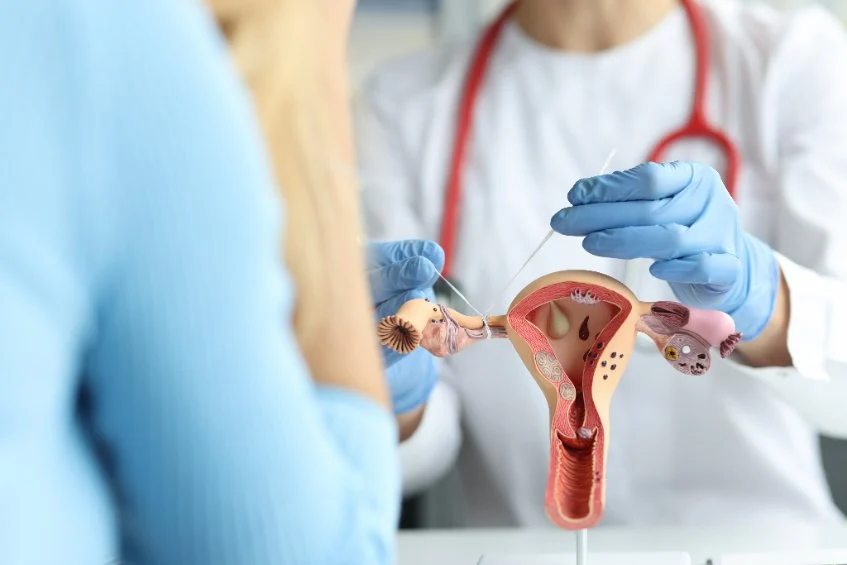
Tubal factor infertility (TFI) accounts for a significant proportion of female infertility cases worldwide and is primarily characterized by partial or complete obstruction of the fallopian tubes, impairing gamete transport and fertilization. The condition commonly arises due to pelvic inflammatory disease (PID), post-infective sequelae (notably Chlamydia trachomatis infection), endometriosis, prior pelvic surgeries, or adhesions. From a modern biomedical perspective, tubal damage results in mechanical blockage, ciliary dysfunction, and altered tubal microenvironment. In Ayurveda, this condition can be correlated with Bandhyatva (infertility) and more specifically with Artavavaha srotas dushti, involving structural and functional impairment of the reproductive channels.
Etiopathogenesis: Modern and Ayurvedic correlation
In modern pathology, chronic inflammation plays a central role in tubal damage. Recurrent infections lead to epithelial destruction, fibrosis, and adhesion formation, resulting in partial or complete tubal occlusion. Endometriosis further contributes through inflammatory mediators, peritoneal adhesions, and distortion of pelvic anatomy. Oxidative stress and immune dysregulation also exacerbate tubal dysfunction, reducing fertility potential.
- In Ayurvedic literature, the reproductive system is governed by Artavavaha srotas, with the fallopian tubes conceptualized as part of the pathway facilitating proper movement of Artava (ovum and reproductive tissue).
- Etiological factors such as Aharaja (dietary), Viharaja (lifestyle), and Agantuja (infectious) causes lead to vitiation of Vata dosha, particularly Apana Vata, along with involvement of Kapha in obstructive pathology. This results in Srotorodha (channel obstruction), Granthi (adhesions or nodular formations), and impaired reproductive function, aligning closely with tubal blockage.
Pathophysiological mechanisms in Ayurvedic framework
The progression of tubal factor infertility in Ayurveda can be understood through three key mechanisms: Sanga (obstruction), Vimargagamana (abnormal pathway function), and Sira granthi (adhesive or fibrotic changes). Vitiated Kapha contributes to stickiness and blockage, while aggravated Vata leads to abnormal movement and degeneration of tubal structures. Pitta involvement, especially in infectious or inflammatory conditions, contributes to tissue damage and chronic inflammatory states.
Therapeutic perspectives in Ayurveda
Management of tubal factor infertility in Ayurveda focuses on Srotoshodhana (channel purification), Vata anulomana (restoration of normal Vata function), and rejuvenation of reproductive tissues (Shukra and Artava dhatu poshana).
- Shodhana therapy (bio-purification procedures): Panchakarma procedures such as Virechana (therapeutic purgation) and Basti (medicated enema) are considered essential in correcting systemic dosha imbalance, particularly Vata dosha. Yoga Basti regimens are often employed to regulate pelvic physiology and improve reproductive tract function.
- Uttara Basti (intrauterine therapy): Uttara Basti is considered a specialized Ayurvedic procedure for gynecological disorders, where medicated oils or decoctions are administered intrauterinely. It is believed to help in reducing tubal adhesions, improving local circulation, and restoring tubal patency by reducing Srotorodha. Oils such as those processed with Dashamoola or Phala ghrita are traditionally used.
- Herbal and Rasayana therapy: Herbs with Vata-Kapha pacifying, anti-inflammatory, and tissue-regenerative properties are commonly used. Formulations containing Shatavari, Ashwagandha, Guggulu, and Triphala are often prescribed to improve reproductive health, reduce inflammation, and support tissue repair. These agents may also exhibit antioxidant properties, helping to counter oxidative stress-induced tubal damage.
- Lifestyle and dietary regulation: Ayurveda emphasizes Pathya-Apathya (dietary and lifestyle regulation) as a cornerstone of management. A light, warm, and easily digestible diet is recommended, along with stress reduction practices such as yoga and pranayama, which help regulate neuroendocrine balance.
Conclusion
Tubal factor infertility represents a complex interplay of structural damage and functional impairment of the fallopian tubes. The Ayurvedic framework provides a holistic interpretation through the concept of Artavavaha srotas dushti and Vata-Kapha imbalance. Therapeutic strategies focusing on detoxification, channel purification, and rejuvenation offer a multi-dimensional approach to management. While preliminary evidence and traditional practice support these interventions, well-designed clinical studies are needed to validate their efficacy and integrate them into evidence-based reproductive healthcare.1
References:
- Shukla Upadhyaya K, Karunagoda K, Dei LP. Infertility caused by tubal blockage: An ayurvedic appraisal. Ayu. 2010;31(2):159-166. doi:10.4103/0974-8520.72378 https://pmc.ncbi.nlm.nih.gov/articles/PMC3215358/#sec1-1