
Introduction
Cardiovascular disease (CVD) remains a major global health concern, with a significant proportion of cases associated with myocardial infarction and heart failure. Key risk determinants include smoking, stress, diabetes, atherosclerosis, and hypertension. Conventional therapeutic approaches, while widely used, are often associated with undesirable effects, contributing to growing interest in plant-based interventions. Herbal medicines are recognized for their antioxidant, immune-regulatory, and anti-inflammatory properties, positioning them as supportive agents in cardiovascular care.
Ayurvedic therapeutic relevance of cinnamon
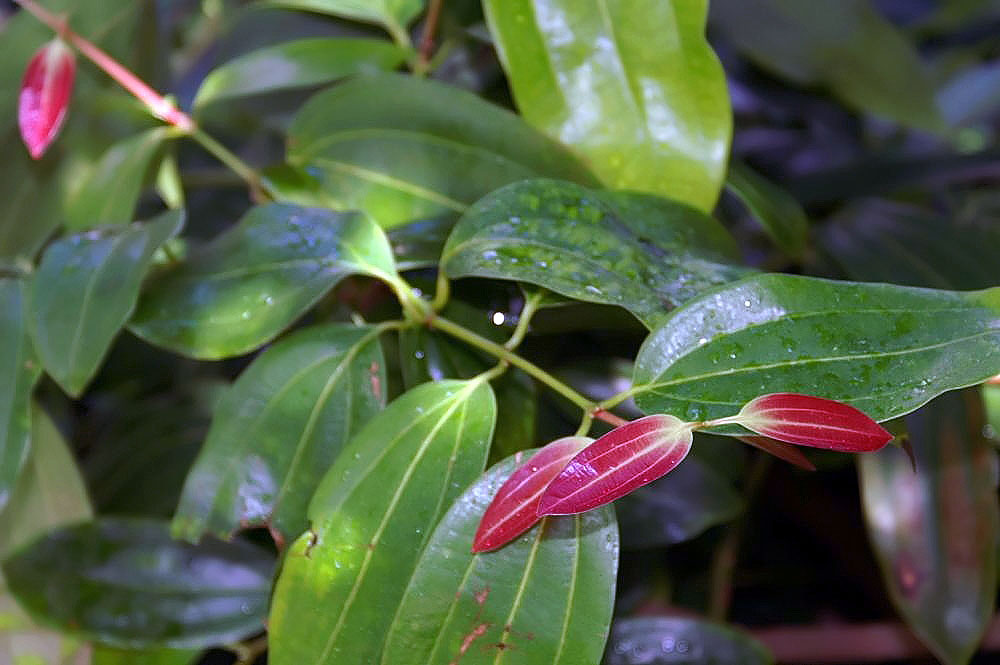
In traditional systems of medicine, Cinnamomum species are widely utilized for managing systemic disorders with cardiovascular implications. The commonly used species include Cinnamomum verum, Cinnamomum burmannii, Cinnamomum cassia, and Cinnamomum loureiroi, with Cinnamomum cassia (Saigon cinnamon) and Cinnamomum verum (Ceylon cinnamon) being most prominent. Cinnamomum verum, an evergreen tree native to India, Bangladesh, and Myanmar, represents a key medicinal resource in Ayurvedic and traditional practices.
The bark, being the most commonly used part, along with leaves, serves both medicinal and culinary roles. Classical applications include support in inflammatory conditions, infections, pain management, arthritis, and wound healing, reflecting its broad therapeutic scope. 1,2
Phytochemical profile and pharmacological basis
The biological activity of cinnamon is primarily attributed to a diverse profile of bioactive constituents. Key compounds include cinnamaldehyde, trans-cinnamaldehyde, cinnamic acid, cinnamate, and eugenol, which contribute to its characteristic aroma and pharmacological actions. Additionally, flavonoid-related compounds such as catechins and procyanidins (flavan-3-ols) are present in the bark.
These phytoconstituents collectively contribute to multiple physiological effects relevant to cardiovascular health:
- Reduction of oxidative stress, supporting vascular integrity
- Anti-inflammatory modulation, contributing to systemic balance
- Regulation of glucose metabolism, assisting in glycemic control
- Improvement in lipid profile, including increased HDL levels
- Reduction in blood pressure, supporting vascular function
- Protection against ischemic injury by reducing myocardial apoptosis
- Anti-arrhythmic potential, contributing to cardiac rhythm stability
Clinical applications in cardiovascular support
Cinnamon-based interventions demonstrate relevance in metabolic and cardiovascular risk modulation. Observed physiological effects include improvement in plasma glucose regulation and lipid metabolism, suggesting a supportive role in conditions associated with metabolic syndrome and cardiovascular burden. Its multi-targeted action aligns with integrative approaches aimed at addressing both preventive and supportive dimensions of cardiovascular health. 3
Conclusion
Cinnamomum species, particularly Cinnamomum verum and Cinnamomum cassia, demonstrate significant cardiovascular relevance through antioxidant, anti-inflammatory, metabolic, and cardioprotective mechanisms. Their phytochemical richness supports a multi-dimensional therapeutic profile, positioning cinnamon as a valuable herbal intervention in integrative cardiovascular care strategies.
References:
- Adegbola P, Aderibigbe I, Hammed W, Omotayo T. Antioxidant and anti-inflammatory medicinal plants have potential role in the treatment of cardiovascular disease: a review. Am J Cardiovasc Dis. 2017;7(2):19-32. Published 2017 Apr 15. https://pmc.ncbi.nlm.nih.gov/articles/PMC5435602/
- Bafadam S, Mahmoudabady M, Niazmand S, Rezaee SA, Soukhtanloo M. Cardioprotective effects of Fenugreek (Trigonella foenum-graceum) seed extract in streptozotocin induced diabetic rats. J Cardiovasc Thorac Res. 2021;13(1):28-36. doi:10.34172/jcvtr.2021.01. https://pmc.ncbi.nlm.nih.gov/articles/PMC8007891/
- Mohammadabadi T, Jain R. Cinnamon: a nutraceutical supplement for the cardiovascular system. Arch Med Sci Atheroscler Dis. 2024;9:e72-e81. Published 2024 Mar 30. doi:10.5114/amsad/184245. https://pmc.ncbi.nlm.nih.gov/articles/PMC11155465/