
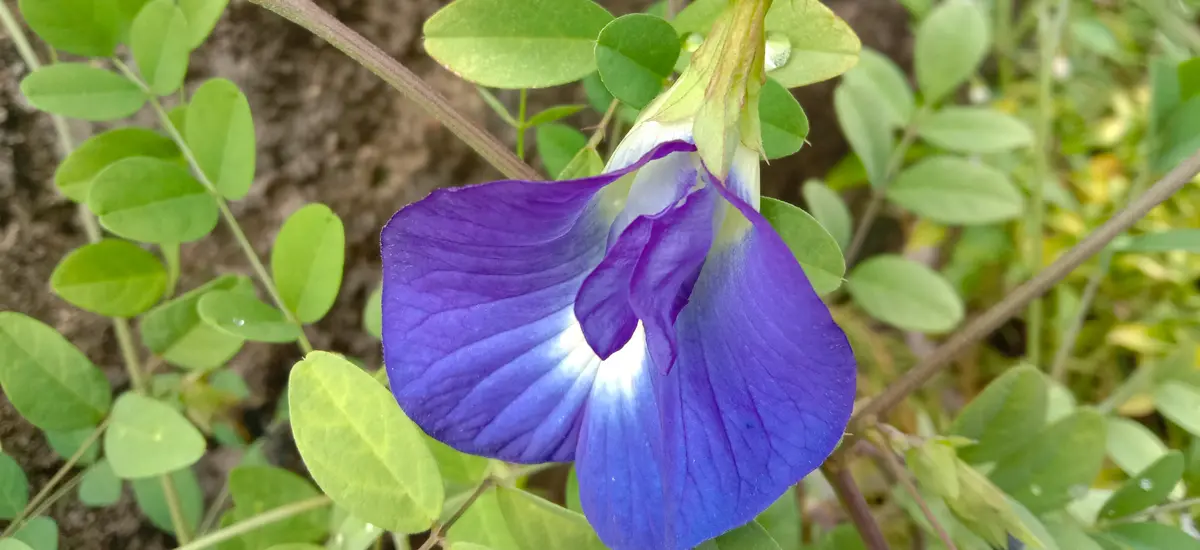
Introduction
Childhood and adolescence are critical periods for cognitive maturation and emotional development. Factors such as academic pressure, environmental stressors, inadequate sleep, and neurodevelopmental challenges can negatively affect attention, memory, and learning ability. Early interventions that support healthy brain development may improve long-term educational and psychosocial outcomes.
Ayurveda emphasizes the development of Medha, Smriti, and mental stability through appropriate nutrition, lifestyle measures, and Medhya Rasayana herbs. Shankhapushpi has been traditionally recommended for enhancing intellectual performance and supporting nervous system health. Contemporary pharmacological studies increasingly support these traditional uses.1
Ayurvedic perspective
Shankhapushpi is described as:
- Tikta Rasa (bitter taste)
- Sheeta Virya (cool potency)
- Madhura Vipaka
- Medhya Rasayana (cognitive rejuvenator)
- Manas Rogahara (beneficial for mental health)
- Balya (strength-promoting)
- Nidrajanana (supports healthy sleep)
These properties contribute to improved cognitive performance, emotional balance, and neurological development.
Phytochemical constituents
The major bioactive compounds include:
- Convolvine
- Convolamine
- Flavonoids
- Glycosides
- Alkaloids
- Coumarins
These constituents are believed to contribute to the herb’s neuroprotective and cognitive-enhancing effects.
Mechanisms supporting pediatric mental health
Cognitive enhancement:
Shankhapushpi is traditionally known to improve intellect, comprehension, and learning ability. Experimental studies indicate enhancement of neuronal communication and cognitive processing, leading to improved academic performance.
Improvement of attention and memory
The herb supports memory consolidation and information retention. Neuropharmacological studies suggest modulation of cholinergic pathways involved in attention, learning, and memory formation.
Stress reduction and emotional balance:
Academic stress and anxiety can impair cognitive function in children. Shankhapushpi exhibits anxiolytic and adaptogenic effects that help reduce stress, promote relaxation, and improve emotional resilience.
Neuroprotective activity:
Oxidative stress can adversely affect the developing nervous system. The antioxidant constituents of Shankhapushpi protect neuronal tissues from free radical damage and support healthy brain function.
Support of nervous system development:
Traditional Ayurvedic texts classify Shankhapushpi as a nervous system tonic that promotes healthy neurological maturation and cognitive development.
Clinical applications
Attention difficulties:
Shankhapushpi may help improve concentration, attention span, and task performance in children experiencing attention-related challenges.
School performance support:
Its memory-enhancing and stress-reducing properties make it a valuable adjunct for improving learning efficiency and academic performance.
Neurodevelopmental care:
As part of Medhya Rasayana therapy, Shankhapushpi may support children with developmental delays, learning difficulties, and cognitive deficits under professional supervision.
Common pediatric preparations
- Shankhapushpi Syrup
- Shankhapushpi Ghrita
- Medhya Rasayana formulations
- Brahmi–Shankhapushpi combinations
- Pediatric cognitive support preparations
Conclusion
Shankhapushpi (Convolvulus pluricaulis) is an important Medhya Rasayana with significant applications in pediatric mental health and cognitive development. Through its cognitive-enhancing, anxiolytic, antioxidant, and neuroprotective properties, it supports attention, memory, learning capacity, and emotional well-being. Traditional preparations such as syrups, ghrita formulations, and Medhya Rasayana combinations continue to be widely used for cognitive support and neurodevelopmental care. Growing scientific evidence supports its role as a complementary approach in promoting healthy cognitive and behavioral development in children.2
Reference:
- Sharma R, Singla RK, Banerjee S, Sinha B, Shen B, Sharma R. Role of Shankhpushpi (Convolvulus pluricaulis) in neurological disorders: An umbrella review covering evidence from ethnopharmacology to clinical studies. Neurosci Biobehav Rev. 2022 Sep;140:104795. doi: 10.1016/j.neubiorev.2022.104795. Epub 2022 Jul 22. PMID: 35878793. https://pubmed.ncbi.nlm.nih.gov/35878793/
- Balkrishna A, Thakur P, Varshney A. Phytochemical Profile, Pharmacological Attributes and Medicinal Properties of Convolvulus prostratus - A Cognitive Enhancer Herb for the Management of Neurodegenerative Etiologies. Front Pharmacol. 2020;11:171. Published 2020 Mar 3. doi:10.3389/fphar.2020.00171 https://pmc.ncbi.nlm.nih.gov/articles/PMC7063970/