
Introduction
Katigraha is clinically associated with stiffness and restricted movement in the lumbar region, where external Ayurvedic therapies such as herbal lepa and medicated taila applications form an important part of local management strategies. These modalities are used within classical Ayurvedic external therapy frameworks to address localized discomfort and functional limitation.
Therapeutic relevance of lepa and taila
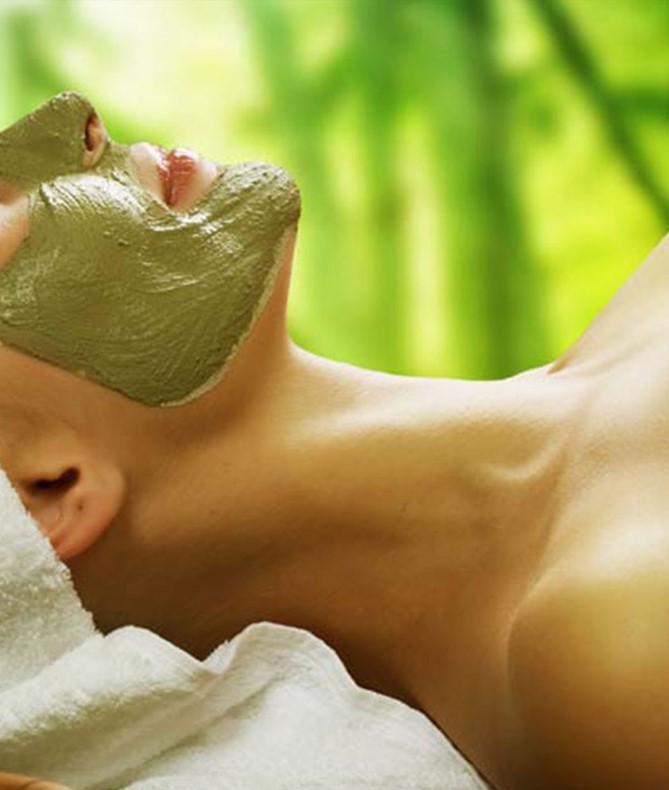
Herbal lepa represents a topical application prepared from medicinal substances applied over affected regions, while taila-based therapies involve oil-based formulations used for localized therapeutic action. In Katigraha, both approaches are integrated as supportive external interventions aimed at improving regional mobility and reducing stiffness.
Key therapeutic roles include:
- Local application support: Direct application over the affected lumbar region facilitates targeted action
- External Ayurvedic intervention: Non-invasive therapeutic approach suitable for musculoskeletal involvement
- Supportive management: Used as part of broader Ayurvedic care strategies in Katigraha 1
Clinical application in Katigraha management
In clinical practice-oriented Ayurvedic frameworks, lepa and taila applications are incorporated based on symptom severity and functional limitation patterns. Their use aligns with external therapeutic protocols described for musculoskeletal discomfort conditions.
Core application aspects include:
- Localized application over kati region
- Integration into external therapy regimens such as Kati Basti where applicable
- Supportive role in improving movement-related discomfort patterns
Pharmacological and functional basis (Ayurvedic perspective)
From an Ayurvedic functional standpoint, lepa and taila therapies are considered to act through local application dynamics. Their therapeutic utility is understood in terms of external delivery over affected tissue regions, contributing to symptomatic relief in Katigraha presentations.
Functional considerations include:
- Direct topical contact with affected area
- Oil-based retention and sustained local application in taila therapies
- Herbal paste-based localized coverage in lepa application
Conclusion
Herbal lepa and medicated taila applications represent important external therapeutic approaches in Katigraha, supporting localized management through targeted application over the affected region. Their integration within Ayurvedic external therapy protocols highlights their relevance in structured musculoskeletal care frameworks. 2
References:
- Mishra R, Sengupta S, Mund J. A clinical study of evaluate the efficacy of Vishatinduka Taila Kati Basti in the management of Katigraha (low back pain). International Journal of Ayurveda and Pharma Research. 2022;10(10):23-28. https://ijapr.in/index.php/ijapr/article/view/2573
- Gupta A, Nagpal S. A critical analysis on ayurvedic aspect of Katigraha (low back pain): a successful case study. Int J Ayurveda Herb Res. 2023;1(1). doi:10.54060/ijahr.v1i1.5. https://ahr.a2zjournals.com/index.php/ahr/article/view/5