
Introduction
Chronic inflammatory disorders are increasingly prevalent and contribute significantly to morbidity and healthcare burden. Conditions such as psoriasis, eczema, rheumatoid arthritis, gout, inflammatory skin diseases, and autoimmune disorders often involve persistent inflammation and immune dysfunction. Ayurveda recognizes the involvement of Raktadushti (vitiated blood) and aggravated Pitta Dosha in the pathogenesis of many such conditions.
Raktamokshana, described by Sushruta, is utilized to remove vitiated blood, reduce inflammatory burden, and restore tissue homeostasis. However, long-term disease control requires supportive herbal therapies that modulate immunity and inflammation. Guduchi is among the most widely prescribed Ayurvedic herbs for this purpose due to its broad-spectrum pharmacological activities.1
Ayurvedic perspective
Guduchi possesses:
- Tikta and Kashaya Rasa (bitter and astringent tastes)
- Laghu and Snigdha Guna (light and unctuous qualities)
- Ushna Virya (hot potency)
- Madhura Vipaka (sweet post-digestive effect)
Classical Ayurvedic texts describe Guduchi as:
- Rasayana (rejuvenative)
- Tridoshahara (balances all three Doshas)
- Raktaprasadana (improves blood quality)
- Jwaraghna (antipyretic)
- Dahahara (relieves burning sensation)
- Vishaghna (detoxifying)
These properties make it highly suitable for chronic inflammatory and immune-mediated disorders.
Pharmacological basis
Anti-inflammatory activity:
Guduchi suppresses inflammatory mediators including TNF-α, IL-1β, IL-6, and NF-κB signaling pathways. Experimental studies have demonstrated significant reduction in inflammatory responses, supporting its use in arthritis, dermatitis, and autoimmune diseases.2
Immunomodulatory effects:
Unlike simple immunosuppressive agents, Guduchi exhibits immunomodulatory activity by balancing immune responses. It enhances macrophage function, regulates cytokine production, and promotes immune homeostasis, making it valuable in chronic inflammatory disorders.
Antioxidant properties:
The plant contains phenolic compounds and polysaccharides that effectively scavenge reactive oxygen species. Reduction of oxidative stress helps protect tissues from chronic inflammatory damage and supports healing.
Tissue-protective and regenerative actions:
Guduchi has demonstrated hepatoprotective, nephroprotective, and tissue-regenerative effects. These properties are particularly beneficial in chronic inflammatory conditions where long-term tissue damage may occur.
Complementary role with raktamokshana:
Raktamokshana primarily removes vitiated blood and decreases local inflammatory pathology. Following purification, Guduchi supports systemic regulation of inflammation and immune responses. Its Raktaprasadana and Rasayana properties help restore healthy blood composition and reduce the likelihood of disease recurrence.
The combination of Raktamokshana and Guduchi addresses both elimination of pathological factors and long-term maintenance of physiological balance. This integrated approach is especially useful in chronic, recurrent, and autoimmune inflammatory disorders.
Clinical applications
Guduchi is commonly used alongside Raktamokshana in:
- Psoriasis (Kitibha Kushtha)
- Eczema (Vicharchika)
- Rheumatoid arthritis (Amavata)
- Gout (Vatarakta)
- Urticaria (Sheetapitta)
- Chronic inflammatory skin disorders
- Autoimmune conditions
- Non-healing inflammatory ulcers
Clinical studies have reported improvements in inflammatory markers, symptom severity, joint function, and quality of life with Guduchi-based interventions.3
Conclusion
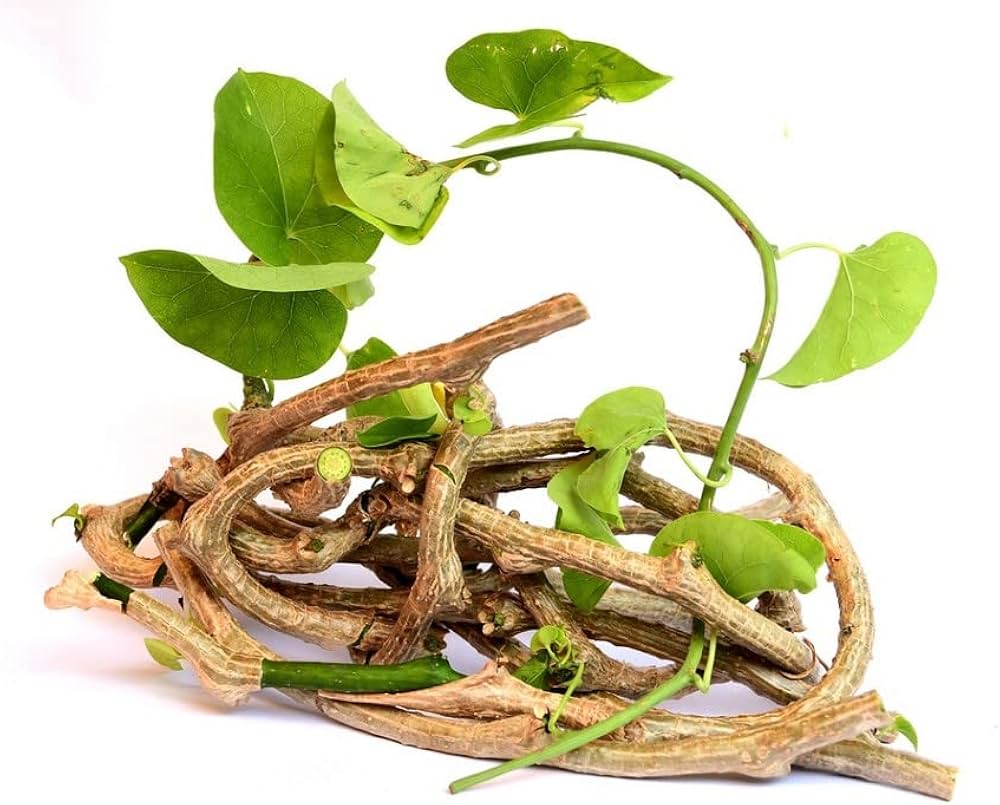
Guduchi (Tinospora cordifolia) is a highly valued Ayurvedic Rasayana herb with significant anti-inflammatory, antioxidant, immunomodulatory, and tissue-protective properties. As a complementary therapy to Raktamokshana, it supports blood purification, regulates immune responses, reduces chronic inflammation, and promotes tissue healing. Growing experimental and clinical evidence validates its traditional use and highlights its potential in the integrative management of inflammatory disorders.
Reference:
- Sharma U, Bala M, Kumar N, Singh B, Munshi RK, Bhalerao S. Immunomodulatory active compounds from Tinospora cordifolia. J Ethnopharmacol. 2012 Jun 14;141(3):918-26. doi: 10.1016/j.jep.2012.03.027. Epub 2012 Mar 26. PMID: 22472109. https://pubmed.ncbi.nlm.nih.gov/22472109/
- Upadhyay AK, Kumar K, Kumar A, Mishra HS. Tinospora cordifolia (Willd.) Hook. f. and Thoms. (Guduchi) - validation of the Ayurvedic pharmacology through experimental and clinical studies. Int J Ayurveda Res. 2010;1(2):112-121. doi:10.4103/0974-7788.64405 https://pmc.ncbi.nlm.nih.gov/articles/PMC2924974/
- Chaudhary A, Das R, Mehta K, Mehta DK. Indian herb Tinospora cordifolia and Tinospora species: Phytochemical and therapeutic application. Heliyon. 2024;10(10):e31229. Published 2024 May 16. doi:10.1016/j.heliyon.2024.e31229 https://pmc.ncbi.nlm.nih.gov/articles/PMC11133831/