
Introduction
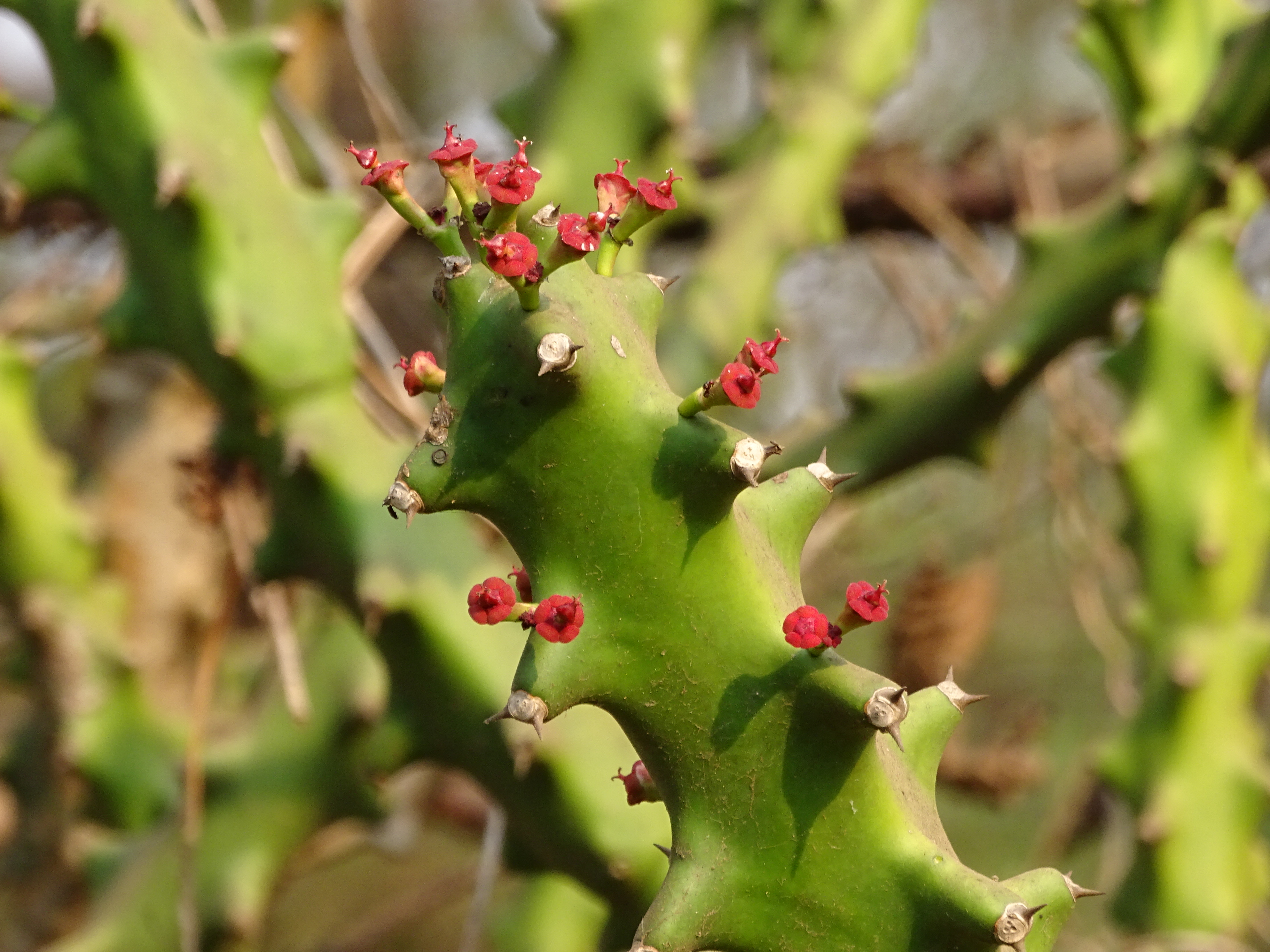
Ksharasutra therapy is a well-established Ayurvedic para-surgical procedure widely used in the management of ano-rectal disorders such as fistula-in-ano (Bhagandara), hemorrhoids (Arsha), pilonidal sinus, and chronic sinus tracts.1 The therapeutic efficacy of Ksharasutra depends on the synergistic action of its constituents, namely Snuhi (Euphorbia neriifolia) latex, Apamarga Kshara (Achyranthes aspera alkali), and Haridra (Curcuma longa) powder. Among these, Snuhi latex serves as an essential drug delivery medium that facilitates the adhesion, retention, and controlled release of medicinal substances. Beyond its role as a coating agent, Snuhi latex possesses pharmacological activities including antimicrobial, anti-inflammatory, and wound-healing properties that contribute significantly to the success of Ksharasutra therapy in ano-rectal disorders.
Therapeutic role of snuhi latex in ksharasutra
Drug carrier and binding agent:
Snuhi latex acts as a natural adhesive that binds Apamarga Kshara and Haridra powder uniformly to the surgical linen thread. Its viscous consistency ensures proper coating and stability of the medicated thread, thereby enhancing the therapeutic efficacy of Ksharasutra.
Sustained drug release:
The latex provides a sustained-release platform for the active ingredients. As the Ksharasutra remains in contact with the diseased tissue, Snuhi latex gradually releases the medicinal components, ensuring prolonged local therapeutic action. This sustained delivery promotes continuous debridement and healing of the affected tract.
Chemical debridement and tissue lysis:
The irritant and proteolytic nature of Snuhi latex facilitates the removal of necrotic tissue and unhealthy granulation tissue. This controlled tissue destruction aids in the gradual cutting of the fistulous tract while maintaining effective drainage, which is essential for preventing reinfection and recurrence.2
Antimicrobial and anti-inflammatory activity:
Phytochemical studies have demonstrated that Euphorbia neriifolia contains flavonoids, terpenoids, and phenolic compounds with antimicrobial and anti-inflammatory properties. These bioactive constituents help suppress microbial growth within the fistulous tract, reduce inflammation, and alleviate local symptoms such as pain and swelling.
Promotion of wound healing:
Snuhi latex supports the formation of healthy granulation tissue and accelerates wound contraction. It enhances tissue repair and fibrosis, leading to gradual obliteration of the tract. This unique process allows simultaneous cutting and healing, a hallmark feature of Ksharasutra therapy.
Therapeutic implications in ano-rectal disorders
In fistula-in-ano, Snuhi-based Ksharasutra enables controlled tract excision with minimal damage to surrounding sphincter muscles, thereby reducing the risk of fecal incontinence. In hemorrhoids, the medicated thread induces necrosis and sloughing of hemorrhoidal masses, resulting in symptom relief. Similarly, in pilonidal sinus and chronic sinus disorders, the sustained action of Snuhi latex promotes tract cleansing, drainage, and healing while minimizing recurrence.
Clinical studies have reported favorable outcomes with Ksharasutra therapy, including reduced recurrence rates, shorter healing duration, and preservation of anal sphincter function. The contribution of Snuhi latex as a drug delivery medium is considered fundamental to these therapeutic benefits.
Conclusion
Snuhi (Euphorbia neriifolia) latex plays a pivotal role in Ksharasutra therapy by functioning as an effective drug delivery medium and therapeutic agent. Its adhesive properties ensure sustained release of Apamarga Kshara and Haridra, while its antimicrobial, anti-inflammatory, debriding, and wound-healing actions enhance treatment outcomes. Through facilitating simultaneous cutting, drainage, and healing, Snuhi latex significantly contributes to the successful management of fistula-in-ano and other ano-rectal disorders. Contemporary evidence supports its continued use as a key component of Ksharasutra therapy, highlighting its importance in Ayurvedic surgical practice.3
References:
- Kurapati VK, Nishteswar K. Management of Ano-Rectal disorders by Kṣārasūtra: A clinical report. Anc Sci Life. 2014;34(2):89-95. doi:10.4103/0257-7941.153467 https://pmc.ncbi.nlm.nih.gov/articles/PMC4389399/
- Lobo SJ, Bhuyan C, Gupta SK, Dudhamal TS. A comparative clinical study of Snuhi Ksheera Sutra, Tilanala Kshara Sutra and Apamarga Kshara Sutra in Bhagandara (Fistula in Ano). Ayu. 2012;33(1):85-91. doi:10.4103/0974-8520.100319 https://pmc.ncbi.nlm.nih.gov/articles/PMC3456871/
- Gupta ML, Gupta SK, Bhuyan C. Comparative clinical evaluation of Kshara Sutra ligation and hemorrhoidectomy in Arsha (hemorrhoids). Ayu. 2011;32(2):225-229. doi:10.4103/0974-8520.92591 https://pmc.ncbi.nlm.nih.gov/articles/PMC3296345/