
Introduction
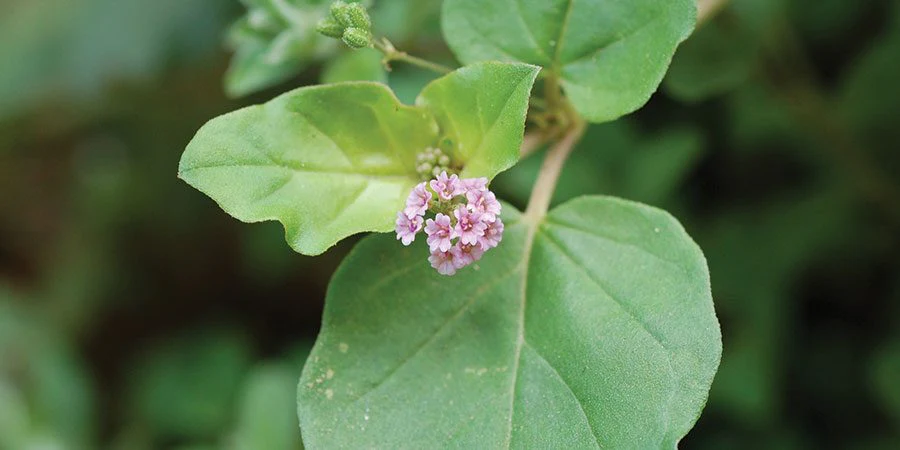
Punarnava (Boerhavia diffusa) is a well-recognized medicinal plant in Ayurveda and is traditionally valued for its Rasayana properties. The herb is incorporated into numerous classical formulations intended to support systemic balance and musculoskeletal well-being. Its longstanding use in conditions associated with inflammation, swelling, discomfort, and impaired mobility has sustained its relevance in Ayurvedic clinical practice. The diverse phytochemical composition of Punarnava further contributes to its importance in joint health management.
Therapeutic relevance in joint health
- Joint disorders commonly involve pain, stiffness, inflammation, reduced flexibility, and functional limitations. Ayurvedic management focuses on restoring physiological balance while supporting mobility and quality of life. Within this framework, Punarnava is traditionally utilized in conditions characterized by inflammatory manifestations and swelling affecting the musculoskeletal system.
- Classical formulations such as Punarnava Guggulu have established therapeutic relevance in Ayurvedic approaches to joint care. The herb is valued for its ability to complement comprehensive management strategies aimed at maintaining comfort, flexibility, and functional movement.
Pharmacological basis
The therapeutic potential of Punarnava is supported by a rich spectrum of naturally occurring phytoconstituents. Important bioactive compounds identified in the plant include:
- Boeravinones and other rotenoid derivatives
- Flavonoids such as quercetin and kaempferol
- Alkaloids including punarnavine
- Phenolic compounds
- Steroidal constituents
- Lignans and related phytochemicals
These constituents collectively contribute to biological activities that are relevant to musculoskeletal health and physiological homeostasis.
Mechanistic considerations
Anti-inflammatory activity:
Inflammation plays a central role in many joint-related disorders. The phytoconstituents present in Punarnava support modulation of inflammatory processes, contributing to its traditional utility in conditions associated with joint discomfort and swelling.
Antioxidant support:
Oxidative stress can influence tissue integrity and physiological function. The antioxidant properties of Punarnava help support cellular protection and contribute to the maintenance of healthy musculoskeletal tissues.
Immunomodulatory influence:
Balanced immune function is an important consideration in inflammatory conditions. Bioactive compounds present in Punarnava interact with immune-related pathways, supporting its broad therapeutic profile within Ayurvedic practice.
Rejuvenative potential:
As a classical Rasayana herb, Punarnava is traditionally associated with the promotion of vitality, resilience, and overall well-being. These attributes align with long-term strategies directed toward preserving mobility and maintaining functional capacity.
Clinical applications in Ayurveda
In Ayurvedic practice, Punarnava is commonly considered as part of therapeutic protocols intended for:
- Joint pain and stiffness
- Inflammatory musculoskeletal conditions
- Swelling associated with joint dysfunction
- Rheumatic manifestations
- Maintenance of mobility and physical function
- Long-term musculoskeletal support
Its incorporation into classical formulations reflects its role in multidimensional Ayurvedic management strategies designed to address both symptoms and underlying physiological imbalances.1
Conclusion
Punarnava remains an important Ayurvedic medicinal plant in joint health management owing to its traditional application in inflammatory and rheumatic conditions, recognized Rasayana properties, and diverse phytochemical profile. The integration of anti-inflammatory, antioxidant, and immunomodulatory activities provides a scientific foundation that complements its longstanding Ayurvedic use in supporting musculoskeletal health, mobility, and overall functional well-being. 2
References:
- Mishra S, Aeri V, Gaur PK, Jachak SM. Phytochemical, therapeutic, and ethnopharmacological overview for a traditionally important herb: Boerhavia diffusa Linn. Biomed Res Int. 2014;2014:808302. doi:10.1155/2014/808302. https://pmc.ncbi.nlm.nih.gov/articles/PMC4053255/
- Das S, Singh PK, Ameeruddin S, et al. Ethnomedicinal values of Boerhaavia diffusa L. as a panacea against multiple human ailments: a state of art review. Front Chem. 2023;11:1297300. Published 2023 Nov 14. doi:10.3389/fchem.2023.1297300 . https://pmc.ncbi.nlm.nih.gov/articles/PMC10682173/