
Introduction
Psoriasis is a chronic, immune-mediated inflammatory skin disorder characterized by hyperproliferation of keratinocytes, abnormal epidermal differentiation, and persistent activation of inflammatory pathways involving tumor necrosis factor-alpha (TNF-α), interleukin (IL)-17, IL-23, and nuclear factor-kappa B (NF-κB). Although conventional therapies such as topical corticosteroids, immunosuppressants, and biologics are effective, their long-term use may be associated with adverse effects and high costs. Consequently, there is growing interest in traditional medicinal agents with immunomodulatory and anti-inflammatory properties.
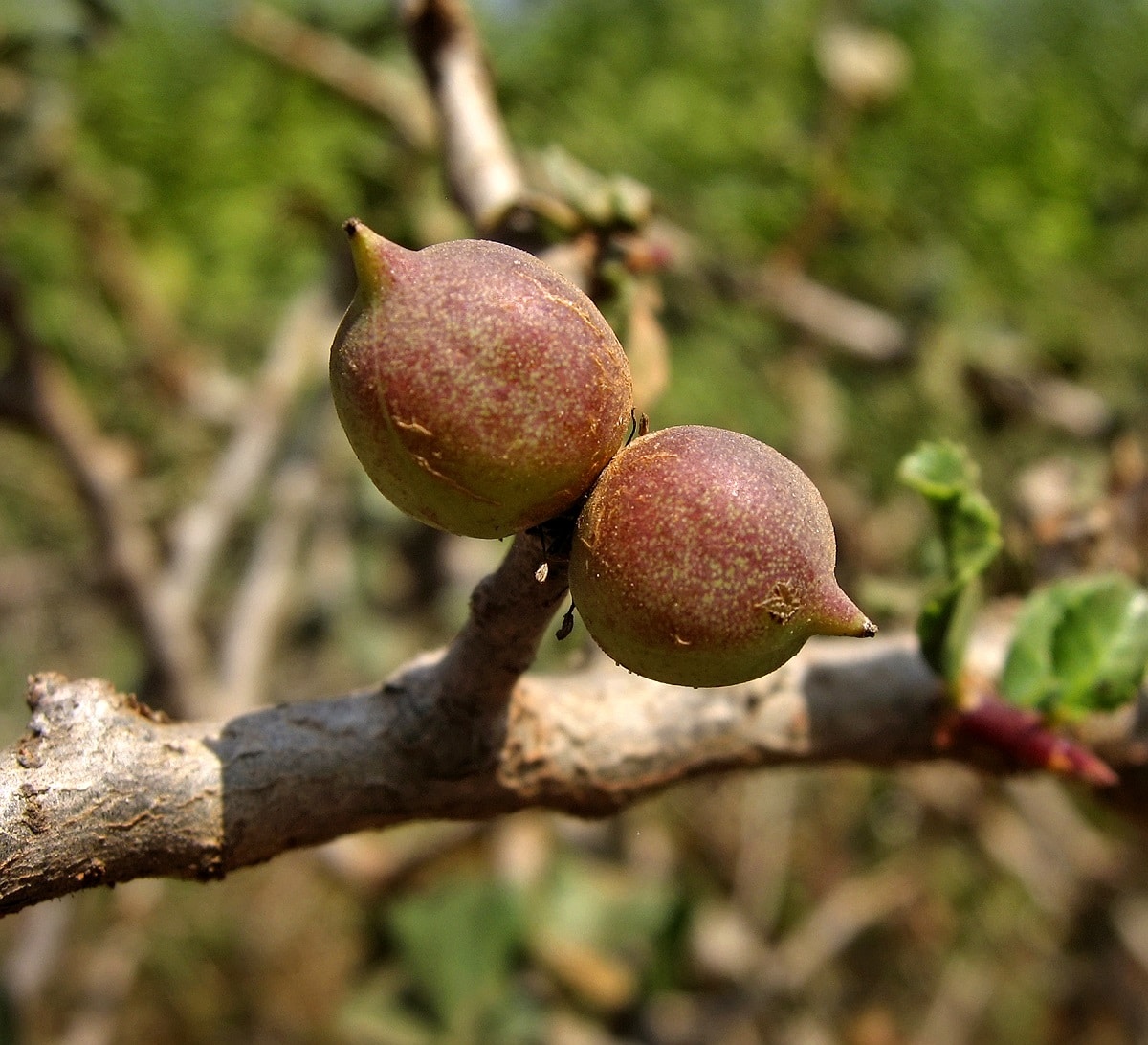
Guggulu (Commiphora mukul), an oleo-gum-resin obtained from the bark of the plant, has been extensively used in Ayurveda for the management of chronic inflammatory disorders. Its pharmacological activities are primarily attributed to bioactive compounds such as guggulsterones, essential oils, diterpenes, sesquiterpenes, and flavonoids. Emerging evidence suggests that Guggulu may offer therapeutic benefits in psoriasis through its anti-inflammatory, antioxidant, immunomodulatory, and wound-healing properties.
Therapeutic role of Guggulu in psoriasis
Anti-inflammatory activity:
Chronic inflammation is a hallmark of psoriasis. Guggulu contains guggulsterones (E- and Z-guggulsterone), which inhibit the activation of NF-κB, a key transcription factor involved in the production of pro-inflammatory cytokines such as TNF-α, IL-1β, IL-6, and IL-17. By suppressing these inflammatory mediators, Guggulu may reduce erythema, scaling, and plaque formation in psoriatic lesions.1
Immunomodulatory effects:
Psoriasis results from dysregulated immune responses involving T-helper (Th1 and Th17) cells. Guggulu has demonstrated immunomodulatory actions that help regulate cytokine production and immune cell activation. This modulation may contribute to restoring immune balance and reducing the chronic inflammatory cascade associated with psoriasis.
Antioxidant properties:
Oxidative stress plays a significant role in the pathogenesis of psoriasis by promoting inflammation and keratinocyte proliferation. Guggulu possesses potent antioxidant activity due to its phenolic compounds and flavonoids, which scavenge reactive oxygen species (ROS) and reduce oxidative damage within skin tissues. This antioxidant effect may help limit disease progression and improve skin health.2
Regulation of keratinocyte proliferation:
Excessive proliferation of keratinocytes leads to the characteristic thickened plaques observed in psoriasis. Experimental studies suggest that Guggulu may regulate cellular growth pathways and normalize epidermal turnover, thereby reducing scaling and plaque thickness.
Enhancement of skin repair and wound healing:
The resin exhibits wound-healing and tissue-regenerative properties that promote epithelial repair and restoration of skin barrier function. These effects may facilitate healing of psoriatic lesions and improve overall skin integrity.
Lipid-lowering and metabolic benefits:
Psoriasis is frequently associated with metabolic syndrome, dyslipidemia, and cardiovascular complications. Guggulu is well known for its hypolipidemic activity and may provide additional benefits by improving lipid metabolism and reducing cardiovascular risk factors commonly observed in patients with psoriasis.
Mechanisms of action in psoriasis
Inhibition of inflammatory signaling pathways:
Guggulu suppresses NF-κB-mediated signaling and downregulates the expression of inflammatory cytokines and chemokines involved in psoriatic inflammation.
Modulation of cytokine production:
The resin helps regulate the secretion of TNF-α, IL-6, IL-17, and other cytokines that drive keratinocyte activation and chronic skin inflammation.
Reduction of oxidative stress:
By enhancing endogenous antioxidant defenses and neutralizing free radicals, Guggulu protects skin cells from oxidative injury and inflammatory damage.
Improvement of microcirculation:
Guggulu may improve blood circulation and tissue perfusion, supporting nutrient delivery and facilitating repair processes within affected skin areas.
Advantages of Guggulu in psoriasis
Multi-target therapeutic action:
Unlike many conventional agents that act on a single pathway, Guggulu exhibits anti-inflammatory, antioxidant, immunomodulatory, and wound-healing effects simultaneously, addressing multiple aspects of psoriasis pathogenesis.
Natural origin and traditional use:
Guggulu has been used for centuries in Ayurvedic medicine, providing a long history of therapeutic application and clinical acceptance in chronic inflammatory conditions.
Potential for long-term use:
When administered appropriately under medical supervision, Guggulu is generally well tolerated and may be suitable for long-term management of chronic inflammatory disorders.
Supportive role in metabolic comorbidities:
Its lipid-lowering and cardioprotective effects may benefit psoriatic patients who frequently exhibit obesity, dyslipidemia, insulin resistance, and cardiovascular disease.
Synergistic use with Ayurvedic formulations:
Guggulu is commonly incorporated into various Ayurvedic formulations and may enhance therapeutic outcomes when combined with other medicinal herbs possessing anti-psoriatic properties.
Reduced risk of systemic immunosuppression:
Compared with conventional systemic immunosuppressive therapies, Guggulu may offer disease-modifying benefits with a lower likelihood of severe immunosuppressive effects.
Safety considerations
Although Guggulu is generally considered safe, excessive use may cause gastrointestinal discomfort, headache, skin rash, or allergic reactions in susceptible individuals. Caution is advised in patients receiving anticoagulants, thyroid medications, or other long-term pharmacotherapies due to the potential for herb–drug interactions. Clinical supervision is recommended during prolonged use.
Conclusion
Guggulu (Commiphora mukul) represents a promising Ayurvedic therapeutic agent for psoriasis owing to its anti-inflammatory, immunomodulatory, antioxidant, and skin-reparative properties. By targeting multiple pathogenic mechanisms, including cytokine dysregulation, oxidative stress, and abnormal keratinocyte proliferation, Guggulu may help alleviate disease severity and improve skin health. Its additional metabolic benefits further enhance its value in managing psoriasis-associated comorbidities. However, well-designed clinical studies are required to establish standardized dosing regimens, long-term safety, and definitive clinical efficacy in psoriasis management.
References:
- Nille GC, Bhuyan M, Gupta LN, Chaudhary AK. Safe and effective management of psoriasis through Ayurveda: A case report. J Ayurveda Integr Med. 2025;16(2):101091. doi:10.1016/j.jaim.2024.101091. https://pmc.ncbi.nlm.nih.gov/articles/PMC11994298/
- Rawat S, Chaurasia U, Garg I, Negi T, Rawat S, Kumari R. Phytopharmacology of Commiphora wightii (Guggulu): A Mini Review. Current Chemical Biology. 2025. DOI:10.2174/0122127968405530250904213248. https://www.researchgate.net/publication/396823324_Phytopharmacology_of_Commiphora_wightii_Guggulu_A_Mini_Review
- Nille GC, Chaudhary AK. Potential implications of Ayurveda in Psoriasis: A clinical case study. J Ayurveda Integr Med. 2021;12(1):172-177. doi:10.1016/j.jaim.2020.11.009. https://pmc.ncbi.nlm.nih.gov/articles/PMC8039350/