
Introduction
Skin infections are among the most prevalent dermatological disorders worldwide and may result from bacterial, fungal, viral, or mixed microbial invasion of the skin and its appendages. These infections are often associated with inflammation, oxidative stress, impaired skin barrier function, and delayed wound healing. The emergence of antimicrobial resistance and recurrent skin infections has increased interest in plant-derived therapeutic agents with antimicrobial and immunomodulatory properties.
Ushira (Vetiveria zizanioides Linn.), commonly known as vetiver, is an aromatic perennial grass belonging to the Poaceae family. In Ayurveda, Ushira is traditionally classified as a cooling (Sheetala), blood-purifying (Rakta-prasadana), and skin-beneficial (Kusthaghna) herb. Modern pharmacological studies have demonstrated that its roots contain bioactive compounds with antimicrobial, anti-inflammatory, antioxidant, wound-healing, and dermatoprotective activities, supporting its potential role in the management of infectious skin disorders.
Botanical profile and phytochemical composition
Botanical description:
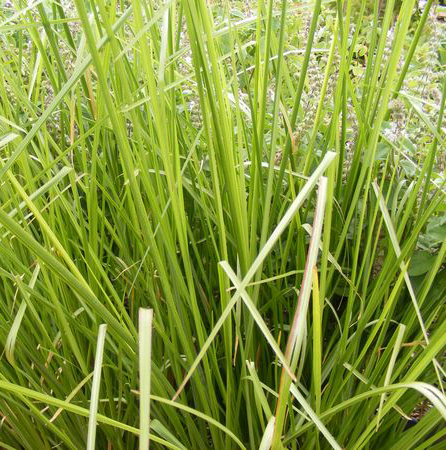
Ushira is a densely tufted perennial grass cultivated widely in tropical and subtropical regions. The medicinally important part is the root system, which is rich in aromatic essential oils.
Major phytoconstituents:
The pharmacological properties of Ushira are attributed to several bioactive compounds, including:
- Vetiverol
- Vetivone
- Khusimol
- Khusenol
- Zizanal
- Sesquiterpenes
- Phenolic compounds
- Flavonoids
- Triterpenoids
These phytochemicals exhibit broad-spectrum biological activities relevant to dermatological health.
Pathophysiology of skin infections
Modern biomedical perspective:
Skin infections develop through:
- Colonization by pathogenic microorganisms
- Disruption of skin barrier integrity
- Activation of inflammatory cytokines
- Oxidative stress–induced tissue damage
- Delayed epithelial regeneration
Common pathogens include:
- Staphylococcus aureus1
- Streptococcus pyogenes
- Candida albicans
- Dermatophytes such as Trichophyton species
Ayurvedic perspective:
Skin infections may correlate with:
- Kushta (skin disorders)
- Pitta–Kapha imbalance
- Rakta dushti (vitiation of blood tissue)
- Impaired local tissue resistance
Ushira is traditionally used to pacify Pitta and purify Rakta, thereby supporting skin health and preventing inflammatory skin manifestations.
Pharmacological mechanisms of Ushira in skin infections
Antimicrobial activity:
Essential oils extracted from Ushira roots exhibit antimicrobial activity against several pathogenic microorganisms.
Proposed mechanisms include:
- Disruption of microbial cell membrane integrity
- Inhibition of microbial growth and replication
- Suppression of biofilm formation
- Reduction of microbial colonization in infected tissues
These properties may contribute to controlling superficial skin infections and preventing secondary microbial contamination.
Antifungal effects:
Studies have demonstrated antifungal activity of vetiver root extracts against dermatophytes and opportunistic fungi.
Mechanisms include:
- Alteration of fungal membrane permeability
- Inhibition of fungal metabolic processes
- Prevention of fungal proliferation
These effects support its potential use in fungal skin infections and recurrent cutaneous mycoses.
Anti-inflammatory activity:
Inflammation is a major contributor to tissue damage in skin infections.
Ushira exhibits anti-inflammatory effects through:
- Suppression of pro-inflammatory cytokines
- Inhibition of cyclooxygenase and lipoxygenase pathways
- Reduction of local erythema and edema
- Modulation of inflammatory cellular responses
These actions help alleviate symptoms such as redness, swelling, and irritation.
Antioxidant activity:
Oxidative stress contributes to tissue injury and delayed healing during skin infections.
Ushira contains antioxidant compounds that:
- Neutralize reactive oxygen species (ROS)
- Prevent lipid peroxidation
- Protect cellular structures from oxidative damage
- Promote tissue recovery
Wound-healing and tissue regenerative activity:
Experimental studies suggest that Ushira promotes wound healing through:
- Enhanced fibroblast proliferation
- Increased collagen synthesis
- Improved angiogenesis
- Accelerated re-epithelialization
These properties are beneficial in infected wounds and ulcerative skin lesions.
Therapeutic role in dermatological infections
Bacterial skin infections:
Ushira may provide supportive benefits in:
- Impetigo
- Folliculitis
- Furunculosis
- Secondary bacterial wound infections
Its antimicrobial and anti-inflammatory activities help reduce microbial burden and local tissue inflammation.
Fungal skin infections:
Potential applications include:
- Tinea corporis
- Tinea cruris
- Cutaneous candidiasis
- Intertriginous fungal infections
The antifungal properties may help inhibit fungal growth and reduce recurrence.
Infected wounds and ulcers:
Ushira may contribute to:
- Faster wound contraction
- Reduced microbial contamination
- Enhanced granulation tissue formation
- Improved scar quality
Inflammatory skin disorders with secondary infection:
Its antimicrobial and soothing effects may support management of:
- Eczematous lesions with secondary infection
- Pruritic inflammatory dermatoses
- Chronic excoriated skin lesions
Ayurvedic therapeutic applications
Internal administration:
Traditional formulations containing Ushira are used for:
- Rakta shodhana (blood purification)
- Pitta pacification
- Reduction of inflammatory skin manifestations
External applications:
Common forms include:
- Ushira paste (Lepa)
- Medicated oils
- Herbal decoction washes
- Topical formulations containing vetiver root extract
These preparations provide local antimicrobial, cooling, and healing effects.2
Advantages of Ushira in skin infection management
Broad-spectrum pharmacological activity:
- Antimicrobial
- Antifungal
- Anti-inflammatory
- Antioxidant
- Wound-healing
Favorable safety profile:
- Traditionally used for centuries
- Generally well tolerated
- Minimal adverse effects when appropriately used
Natural dermatoprotective action:
- Supports skin barrier integrity
- Reduces irritation and inflammation
- Promotes healthy tissue regeneration
Potential adjunctive therapy:
- Can complement conventional antimicrobial treatment
- May reduce recurrence of certain skin infections
- Supports holistic skin health
Conclusion
Ushira (Vetiveria zizanioides) possesses significant pharmacological potential in the management of skin infections owing to its antimicrobial, antifungal, anti-inflammatory, antioxidant, and wound-healing properties. Its bioactive constituents, particularly sesquiterpenes and essential oils, contribute to multiple mechanisms that target both microbial pathogens and host inflammatory responses.
Current experimental and ethnopharmacological evidence supports the use of Ushira as a promising adjunctive phytotherapeutic agent in bacterial and fungal skin infections, infected wounds, and inflammatory dermatoses. Further well-designed clinical studies are required to establish standardized therapeutic protocols and strengthen its integration into evidence-based dermatological practice.
References:
-
- Kannappan A, Gowrishankar S, Srinivasan R, Pandian SK, Ravi AV. Antibiofilm activity of Vetiveria zizanioides root extract against methicillin-resistant Staphylococcus aureus. Microb Pathog. 2017;110:313-324. doi:10.1016/j.micpath.2017.07.016. https://pubmed.ncbi.nlm.nih.gov/28710012/
- Gunasekar CJ, Majdalawieh AF, Abu-Yousef IA, Al Refaai SA. Pharmacological and Therapeutic Potential of Chrysopogon zizanioides (Vetiver): A Comprehensive Review of Its Medicinal Applications and Future Prospects. Biomolecules. 2025;15(9):1312. Published 2025 Sep 12. doi:10.3390/biom15091312. https://pmc.ncbi.nlm.nih.gov/articles/PMC12467945/