
Introduction
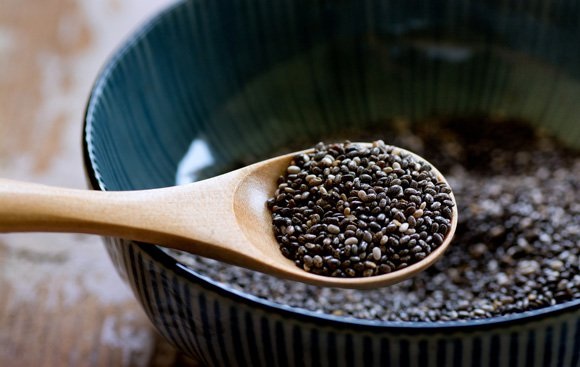
Chia seeds (Salvia hispanica) are nutrient-dense seeds associated with gastrointestinal regulation due to their high dietary fiber content and bioactive nutrient profile. In gut health contexts, their relevance is linked to hydration-dependent gel formation, modulation of bowel function, and support of intestinal microbial balance. Within dietary and integrative frameworks, chia is recognized as a functional food supporting digestive stability.
Therapeutic relevance in gut health
Gastrointestinal function is influenced by dietary fiber intake, stool consistency, and microbial ecosystem balance. Chia contributes to these processes through its physicochemical and nutritional properties.
Key therapeutic relevance includes:
- Support for bowel regularity through fiber-mediated bulk formation
- Contribution to improved stool consistency and hydration balance
- Support for intestinal transit regulation
- Association with digestive comfort and reduced bowel irregularity
- Role in dietary strategies for functional gastrointestinal balance 1
Pharmacological basis
The functional effects of chia seeds are primarily attributed to their soluble fiber content and nutrient composition.
Key components include:
- Soluble fiber forming gel-like structures in the gastrointestinal tract
- Insoluble fiber contributing to stool bulk and transit support
- Omega-3 fatty acids supporting inflammatory balance
- Plant proteins contributing to nutritional support of gut function
- Polyphenolic compounds supporting antioxidant activity
These constituents collectively support gastrointestinal physiological regulation.
Mechanistic considerations
Hydration and gel formation:
- Soluble fiber absorbs water and forms viscous gel structures
- Supports stool softening and regulated intestinal transit
Microbiome modulation:
- Fermentable fiber supports beneficial gut microbial activity
- Contributes to short-chain fatty acid production supporting colon health
Bowel regulation:
- Fiber-mediated bulk formation supports improved stool consistency
- Assists in normalization of bowel movement patterns
Inflammatory and oxidative balance:
- Bioactive compounds contribute to modulation of gut inflammatory responses
- Supports oxidative balance within intestinal environment
Clinical applications in Ayurveda
Chia seeds are incorporated into dietary frameworks for:
- Functional constipation and bowel irregularity
- Support in Agnimandya-related digestive sluggishness
- Hydration-associated digestive imbalance
- Adjunct dietary support in gut microbiome modulation
- Long-term gastrointestinal wellness maintenance
Their role is primarily supportive within fiber-based dietary correction strategies. 2
Conclusion
Chia seeds support gastrointestinal health through fiber-driven stool regulation, gel formation, and microbiome-modulating properties. Their contribution to bowel regularity, hydration balance, and intestinal functional stability positions them as a supportive dietary component in Ayurvedic and integrative gut health management.
References
- Khalid W, Arshad MS, Aziz A, et al. Chia seeds (Salvia hispanica L.): A therapeutic weapon in metabolic disorders. Food Sci Nutr. 2022;11(1):3-16. Published 2022 Dec 15. doi:10.1002/fsn3.3035. https://pmc.ncbi.nlm.nih.gov/articles/PMC9834868/
- Zare T, Fournier-Level A, Ebert B, Roessner U. Chia (Salvia hispanica L.), a functional 'superfood': new insights into its botanical, genetic and nutraceutical characteristics. Ann Bot. 2024;134(5):725-746. doi:10.1093/aob/mcae123. https://pmc.ncbi.nlm.nih.gov/articles/PMC11560377/