
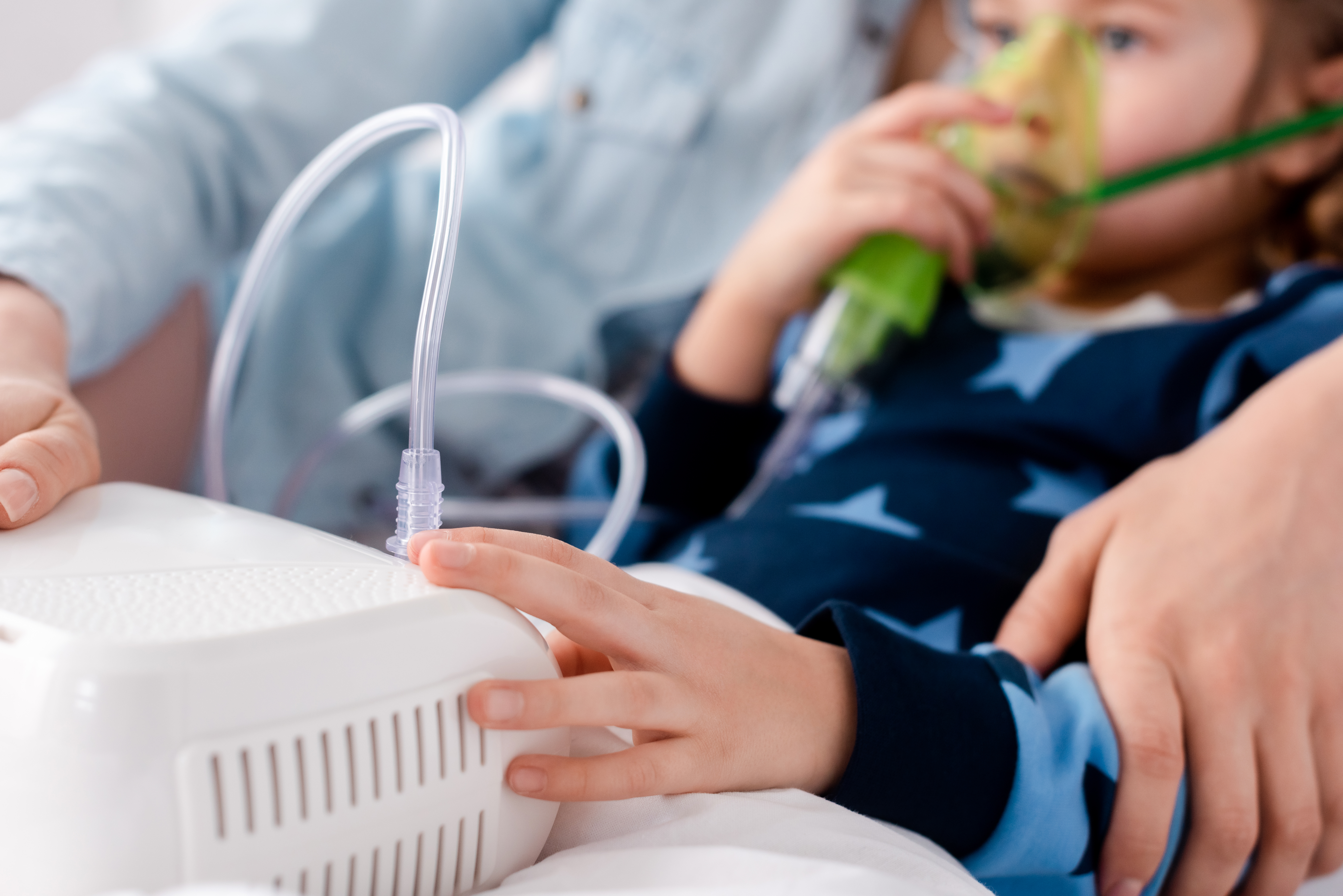
Children are more susceptible to infections than adults, experiencing an average of four to eight respiratory infections annually. The frequency of these infections may vary depending on the presence of predisposing risk factors that increase exposure to infectious or allergenic agents, including attendance at daycare centres, having school-aged siblings, and exposure to second-hand smoke. Children with atopic conditions also appear to be more prone to recurrent and persistent upper respiratory tract infections, potentially due to increased microbial adherence to the inflamed respiratory epithelium.
Cyavanaprāśa: Traditional formulation for immune support
Cyavanaprāśa (CP) is a traditional Ayurvedic health formulation recognised for its potential role in supporting immune function. It is traditionally used as a health-promoting and revitalising preparation and may help support the body's defence against common infections and allergic conditions, including respiratory ailments such as the common cold and cough.1
It can be consumed throughout the year, as its formulation contains ingredients traditionally considered suitable for use across different seasons and climatic conditions. These ingredients are believed to help mitigate the adverse effects associated with extreme environmental and seasonal variations. Beneficial effects of CP have also been reported in the context of nasal allergies, viral infections, and seasonal health challenges.
CP is prepared using a traditional Ayurvedic formulation comprising various herbs, herbal extracts, and processed minerals. Its primary ingredient is the pulp of Amla or Amalaki (Phyllanthus emblica), which is regarded in Ayurveda as a potent Rasayana for supporting physiological homeostasis. The presence of Amla contributes to its characteristic combination of five tastes: sweet, sour, bitter, pungent, and astringent. Traditionally, regular consumption of CP is believed to support normal physiological functions and promote overall body rejuvenation.2
Cyavanaprāśa ingredients and their respiratory benefits2
|
Medicinal plant / ingredient |
Botanical identity |
Common Ayurvedic name |
Major active constituents |
Reported therapeutic role |
|
Adhatoda vasica |
Adhatoda vasica Nees |
Vasaka, Vasa |
Vasicine, vasicine acetate, vasicinone, adhatodine |
Bronchodilator, expectorant, anti-allergic |
|
Aquilaria agallocha |
Aquilaria agallocha Roxb. |
Aguru, Akil |
Kusunol, jinkohol, vanillic acid |
Antiasthmatic, anti-inflammatory |
|
Desmodium gangeticum |
Desmodium gangeticum DC. |
Shalparni, Sarivan |
Hypaphorine, hordenine, gangetin |
Used traditionally in respiratory disorders |
|
Inula racemosa |
Inula racemosa Hook. |
Pushkarmul |
Eudesmanolide, elemanolide, germacranolide |
Antihistaminic, bronchodilator; traditionally used for cough, cold and asthma |
|
Piper longum |
Piper longum Linn. |
Pippali |
Alkaloids, piperine-related constituents and phenolic compounds |
Antitussive, bronchodilator, traditionally used in respiratory infections |
|
Pistacia integerrima |
Pistacia integerrima Stewart ex Brandis |
Kakdasingi |
β-Pinene, sabinene, α-pinene, limonene |
Bronchodilator, expectorant, antitussive |
|
Solanum xanthocarpum |
Solanum xanthocarpum Schrad. & Wendl. |
Kantakari |
Lupeol, oleanolic acid, ursolic acid, β-sitosterol |
Mucolytic, expectorant, anti-allergic, bronchodilator |
|
Vitis vinifera |
Vitis vinifera Linn. |
Draksha, Munnakka |
Resveratrol, catechin, epicatechin, gallic acid |
Demulcent; traditionally used for asthma |
|
Natural honey |
Derived from honey bees |
Madhu |
Phenolic compounds, flavonoids, enzymes and oligosaccharides |
Relieves cough and cold; anti-infective and antioxidant properties |
|
Abhraka Bhasma |
Incinerated biotite mica |
Abhraka Bhasma |
Multimineral preparation |
Traditionally used in asthma and cough |
|
Shringa Bhasma |
Calcined deer horn |
Shringa Bhasma |
Calcium phosphate |
Expectorant; traditionally used in productive cough and respiratory conditions |
Optimising Cyavanaprāśa use: Age, dose and duration
Ayurvedic literature recommends administering CP according to the recipient’s digestive capacity and physical strength to avoid interfering with hunger and appetite. It is traditionally advised to consume CP on an empty stomach without mixing it with other foods. The Ayurvedic Pharmacopoeia of India specifies a standard dose of 12 g twice daily. CP is generally considered suitable for individuals above 3 years of age, with age-appropriate dosing typically ranging from 12–28 g per day, taken with lukewarm milk or water.
Clinical studies have evaluated CP across diverse populations and therapeutic settings, exploring its use as a preventive and therapeutic preparation, either as monotherapy or as an adjunct to other treatments.3
Clinical and quality of life outcomes in children
The benefits observed in pediatric clinical trials extend beyond simple immune protection:
|
Measured Parameter |
Observed effect in children taking CP |
|
Infection episodes |
Significant reduction in the total number of illness events. |
|
Recovery time |
Shorter duration and decreased severity of cough and cold symptoms. |
|
School attendance |
Fewer missed school days due to sickness. |
|
Vitality and energy |
Measurable improvements in physical fitness, stamina, and overall quality of life. |
Conclusion
CP, a classical Ayurvedic Rasayana formulation, contains several herbal and mineral ingredients traditionally associated with respiratory health and immune support. Its potential benefits in children include supporting respiratory well-being, reducing the frequency and duration of common infections, and improving vitality and quality of life, as reported in clinical studies. However, its use should be guided by age, digestive capacity, appropriate dosage, and individual health status. Further robust clinical research is warranted to establish its efficacy and safety in paediatric populations and clarify its role as a complementary approach to childhood respiratory health.
References:
- Gupta A, Kumar S, Dole S, et al. Evaluation of Cyavanaprāśa on Health and Immunity related Parameters in Healthy Children: A Two Arm, Randomized, Open Labeled, Prospective, Multicenter, Clinical Study. Anc Sci Life. 2017;36(3):141-150. doi:10.4103/asl.ASL_8_17. https://pmc.ncbi.nlm.nih.gov/articles/PMC5566825/
- Sharma R, Martins N, Kuca K, et al. Chyawanprash: A Traditional Indian Bioactive Health Supplement. Biomolecules. 2019;9(5):161. Published 2019 Apr 26. doi:10.3390/biom9050161. https://pmc.ncbi.nlm.nih.gov/articles/PMC6571565/
- Sharma R, Kakodkar P, Kabra A, Prajapati PK. Golden Ager Chyawanprash with Meager Evidential Base from Human Clinical Trials. Evid Based Complement Alternat Med. 2022;2022:9106415. Published 2022 May 16. doi:10.1155/2022/9106415. https://pmc.ncbi.nlm.nih.gov/articles/PMC11387087/