
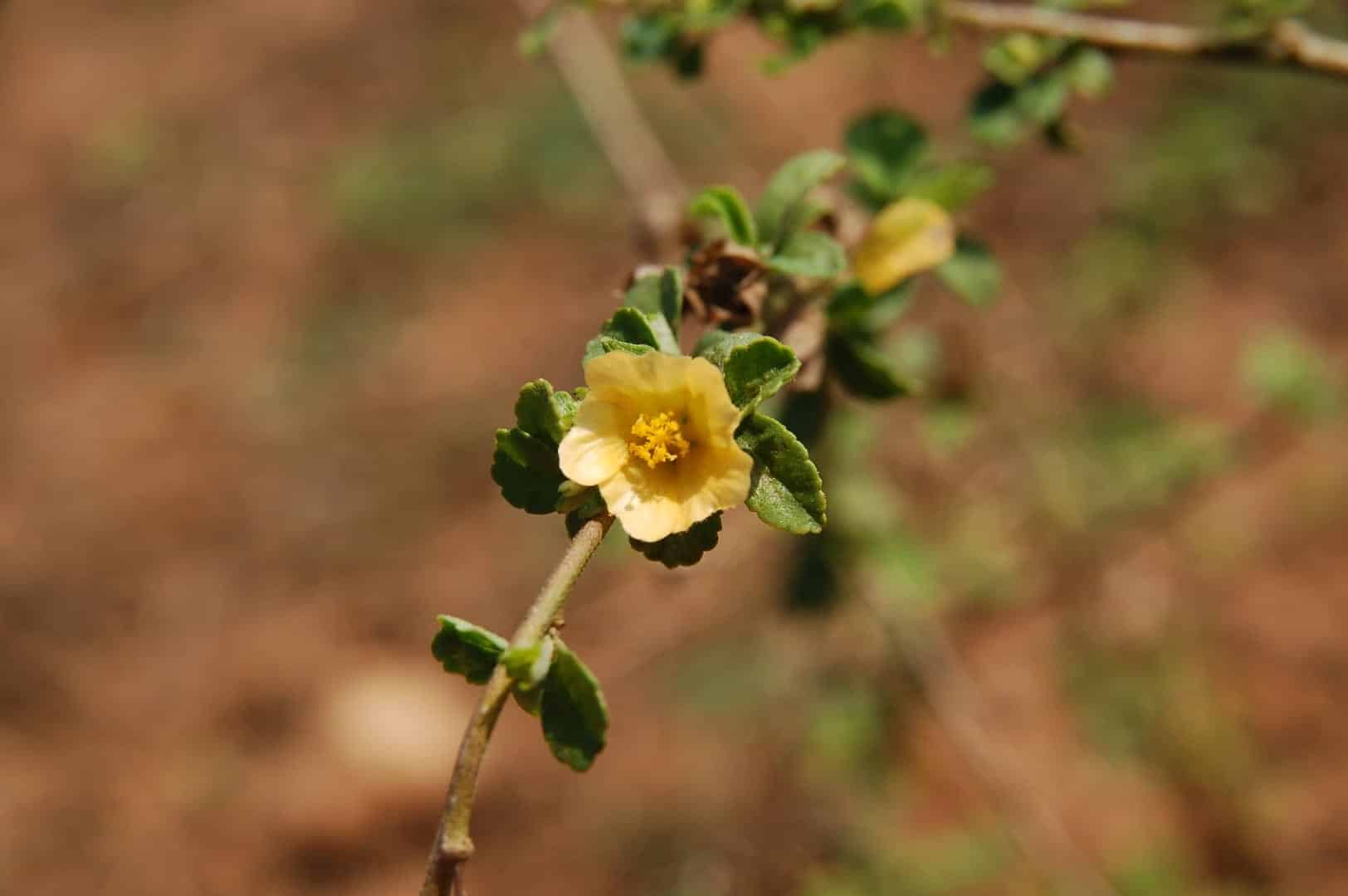
Introduction
Childhood growth depends upon adequate nourishment, efficient digestion, hormonal regulation, and healthy tissue development. Undernutrition, chronic infections, and prolonged illnesses may compromise growth velocity and physical development, resulting in weakness, delayed milestones, and reduced quality of life.
In Ayurveda, childhood (Bala Avastha) is considered a period of rapid tissue formation. Herbs possessing Balya, Brimhana (body-building), and Rasayana properties are recommended to support growth and vitality. Bala is among the most important herbs traditionally prescribed for pediatric weakness, growth delay, and post-illness recovery.1
Ayurvedic perspective
Bala is described as:
- Madhura Rasa (sweet taste)
- Guru and Snigdha Guna (heavy and unctuous qualities)
- Sheeta Virya (cool potency)
- Madhura Vipaka
- Balya (strength-promoting)
- Brimhana (nourishing)
- Rasayana (rejuvenative)
- Vatahara (pacifies Vata Dosha)
These properties help nourish body tissues, improve strength, and support healthy growth.
Phytochemical constituents
Major bioactive compounds include:
- Ephedrine alkaloids (trace amounts in some varieties)
- Flavonoids
- Phytosterols
- Phenolic compounds
- Mucilage
- Alkaloids and glycosides
These constituents contribute to antioxidant, anti-inflammatory, and restorative activities.
Role in growth promotion and pediatric debility
Strength-promoting (Balya) activity:
Bala is traditionally recognized for enhancing physical strength and endurance. Its nourishing properties support healthy tissue formation and improve overall vitality in growing children.
Supports musculoskeletal growth:
Proper development of muscles, bones, and connective tissues is essential during childhood. Bala promotes nourishment of Mamsa Dhatu (muscle tissue) and Asthi Dhatu (bone tissue), supporting musculoskeletal growth and development.
Improves nutritional status:
By enhancing tissue nourishment and promoting efficient utilization of nutrients, Bala may help improve body weight and overall nutritional status in undernourished children.
Enhances recovery from illness:
Children recovering from infections or chronic illnesses often experience weakness and poor appetite. Bala’s Rasayana and restorative actions help accelerate recovery, restore strength, and improve functional capacity.
Antioxidant and adaptogenic effects:
Experimental studies indicate that Bala possesses antioxidant and adaptogenic properties that protect tissues from oxidative stress and support physiological resilience during growth and recovery.
Clinical applications
Underweight children:
Bala is frequently included in pediatric nourishing formulations aimed at improving body weight, strength, and vitality in underweight children.2
Growth delay:
Its Brimhana and Balya properties support tissue development and may be beneficial in children with delayed growth when used alongside appropriate nutritional interventions.
Convalescence:
Bala is traditionally prescribed during post-illness recovery to restore energy, improve appetite, and promote healthy physical development.
Common pediatric preparations
Bala ghrita:
Medicated ghee preparations containing Bala are used to nourish tissues, support growth, and enhance strength.
Bala taila:
Bala Taila is commonly employed for pediatric massage (Abhyanga), helping improve muscle tone, circulation, and overall development.
Rasayana formulations:
Bala is often combined with Ashwagandha, Shatavari, Guduchi, and other Rasayana herbs in formulations designed to promote growth and vitality.
Conclusion
Bala (Sida cordifolia) is an important Ayurvedic Balya and Rasayana herb with significant applications in pediatric growth promotion and debility. Its nourishing, strength-enhancing, antioxidant, and restorative properties support musculoskeletal development, improve nutritional status, and facilitate recovery from illness. Traditional formulations such as Bala Ghrita, Bala Taila, and Rasayana preparations continue to play an important role in pediatric healthcare. Emerging scientific evidence supports its potential as a complementary approach for managing undernutrition, growth delay, and post-illness weakness in children.
Reference:
- Ahmed, Hassan & Juraimi, Abdul & Swamy, Mallappa & Ahmad Hamdani, Muhammad Saiful & Omar, Dzolkifli & Rafii, M. & Sinniah, Uma Rani & Akhtar, Mohd Sayeed. (2018). Botany, Chemistry, and Pharmaceutical Significance of Sida cordifolia: A Traditional Medicinal Plant. 10.1007/978-981-10-8548-2_22. https://www.researchgate.net/publication/326074481
- Jiménez-Ferrer E, Herrera-Ruiz M, Campos-Vidal Y, Flores-Franco G, Monterrosas-Brisson N. Sida L.: Ethnobotany, Pharmacology, and Phytochemistry: A Review. Plants (Basel). 2025;14(19):3115. Published 2025 Oct 9. doi:10.3390/plants14193115 https://pmc.ncbi.nlm.nih.gov/articles/PMC12526554/