
Introduction
Chronic joint disorders are characterized by persistent pain, inflammation, cartilage degeneration, and reduced mobility. Conventional treatments often provide symptomatic relief but may be associated with adverse effects during long-term use. Ayurveda advocates a multimodal treatment strategy involving para-surgical procedures, herbal medicines, dietary regulation, and lifestyle modification.
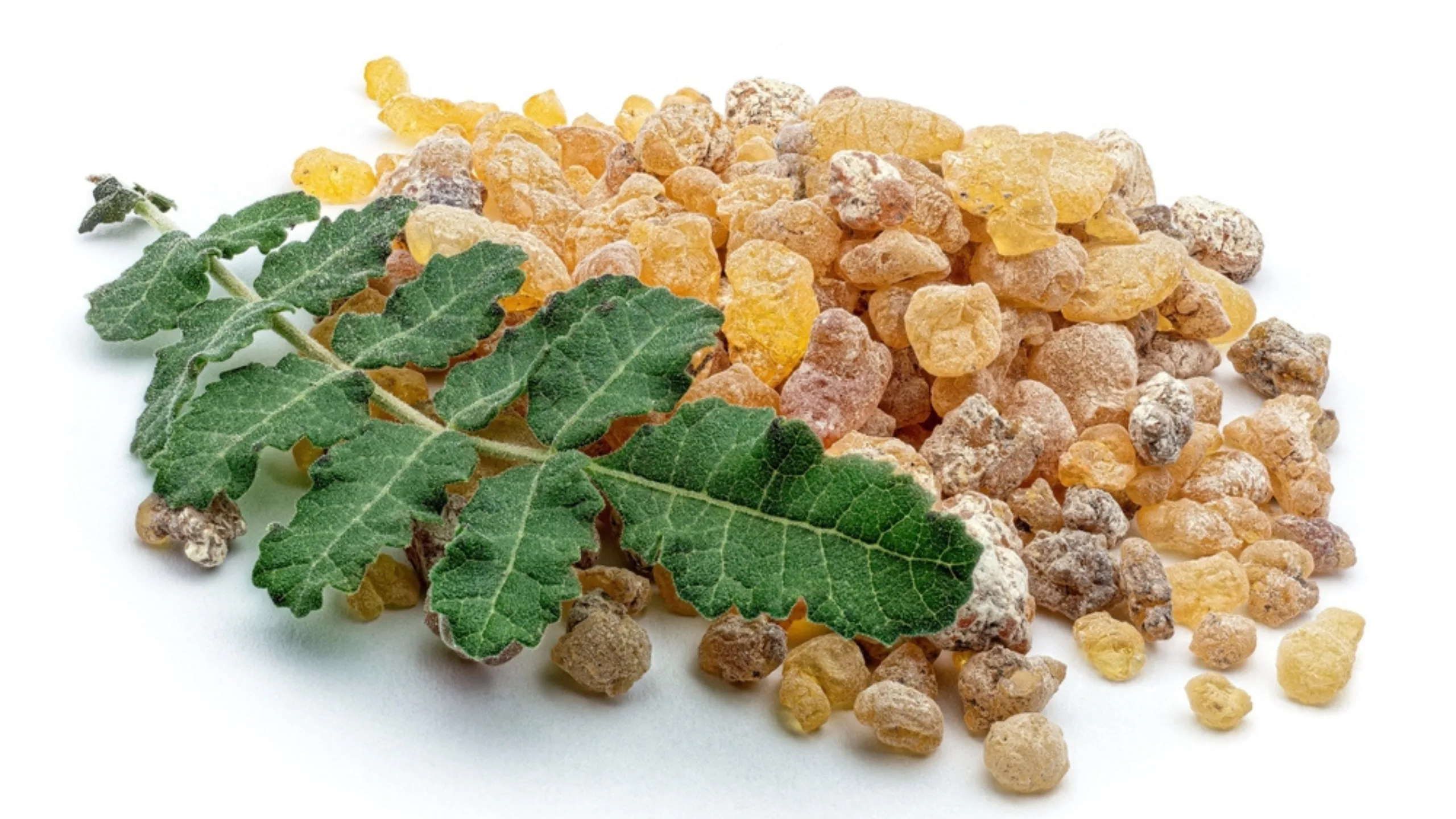
Agnikarma, described by Sushruta, is a therapeutic heat-based procedure widely employed for musculoskeletal pain. Shallaki (Boswellia serrata), commonly known as Indian frankincense, is one of the most important Ayurvedic herbs used in inflammatory and degenerative joint diseases. Together, these interventions provide both immediate symptomatic relief and long-term support for joint health.1
Pharmacological basis of shallaki
The medicinal resin of Boswellia serrata contains pentacyclic triterpenes known as boswellic acids, including acetyl-11-keto-β-boswellic acid (AKBA), which are considered the primary active constituents. These compounds inhibit 5-lipoxygenase and reduce leukotriene synthesis, thereby suppressing inflammatory pathways involved in arthritis and chronic joint disorders.
Experimental and clinical studies have demonstrated that Shallaki possesses anti-inflammatory, analgesic, antioxidant, and cartilage-protective activities. Boswellic acids help reduce joint swelling, tenderness, and stiffness while supporting preservation of cartilage integrity. Additionally, antioxidant effects protect joint tissues from oxidative stress associated with chronic inflammation.2
Agnikarma and thermal analgesia
Agnikarma involves the application of controlled heat to specific anatomical sites using heated metallic instruments (Shalaka). The procedure provides rapid pain relief by increasing local blood circulation, reducing muscle spasm, and modulating pain pathways. Improved circulation facilitates oxygen delivery and removal of inflammatory mediators from affected tissues.3
In chronic joint disorders, Agnikarma is particularly beneficial for alleviating localized pain, stiffness, and restricted movement. Ayurveda considers it especially effective in disorders dominated by Vata and Kapha doshas.
Synergistic role in chronic joint disorders
The combination of Shallaki and Agnikarma offers a multidimensional therapeutic approach. Agnikarma provides immediate local relief through thermal analgesia, while Shallaki addresses the underlying inflammatory process. Enhanced circulation induced by Agnikarma may improve tissue metabolism and support recovery of damaged structures.
Shallaki further contributes by reducing inflammatory cytokines, protecting cartilage, and improving joint function. This complementary action is particularly relevant in osteoarthritis, where both pain and progressive degeneration contribute to disability. The combined approach may help reduce dependence on long-term analgesics and improve quality of life.
Clinical applications
Shallaki-assisted Agnikarma therapy is commonly utilized in:
- Osteoarthritis (Sandhivata)
- Rheumatoid arthritis (Amavata)
- Cervical spondylosis (Manyastambha)
- Lumbar spondylosis (Katigraha)
- Frozen shoulder (Avabahuka)
- Chronic knee pain
- Degenerative joint disorders
Clinical studies have reported improvements in pain scores, joint mobility, stiffness, and functional capacity following Boswellia supplementation and Ayurvedic thermal therapies.
Conclusion
Shallaki (Boswellia serrata) and Agnikarma represent complementary therapeutic modalities in the management of chronic joint disorders. While Agnikarma offers rapid thermal analgesia and enhanced local circulation, Shallaki provides sustained anti-inflammatory and chondroprotective effects through boswellic acids.4 Together, they address both symptomatic relief and disease progression, making them valuable components of integrative musculoskeletal care. Further randomized controlled studies are needed to establish standardized protocols and strengthen the evidence base for their combined use.
Reference:
- Siddiqui MZ. Boswellia serrata, a potential antiinflammatory agent: an overview. Indian J Pharm Sci. 2011;73(3):255-261. doi:10.4103/0250-474X.93507 https://pmc.ncbi.nlm.nih.gov/articles/PMC3309643/
- Vishal AA, Mishra A, Raychaudhuri SP. A double blind, randomized, placebo controlled clinical study evaluates the early efficacy of aflapin in subjects with osteoarthritis of knee. Int J Med Sci. 2011;8(7):615-622. doi:10.7150/ijms.8.615 https://pmc.ncbi.nlm.nih.gov/articles/PMC3198257/
- Samota B, Sharma S, Singh M, Sharma R, Garg P. Role of Agnikarma along with Ayurveda medication in management of trigger thumb - A Case Report. J Ayurveda Integr Med. 2026;17(2):101339. doi:10.1016/j.jaim.2026.101339 https://pmc.ncbi.nlm.nih.gov/articles/PMC12996233/
- Ammon HP. Boswellic Acids and Their Role in Chronic Inflammatory Diseases. Adv Exp Med Biol. 2016;928:291-327. doi: 10.1007/978-3-319-41334-1_13. PMID: 27671822. https://pubmed.ncbi.nlm.nih.gov/27671822/