
Introduction
Chronic wounds remain a major clinical burden due to impaired healing mechanisms, infection, and underlying systemic disorders such as diabetes and vascular insufficiency. In Ayurveda, such conditions are described as Dushta Vrana, resulting from vitiation of Rakta, Pitta, and Kapha Doshas along with microbial contamination and tissue degeneration.
Classical Ayurvedic surgical principles described by Sushruta emphasize the importance of topical medicated oils (Taila Kalpana) for wound cleansing, infection control, and tissue regeneration. Nirgundi oil is one such formulation extensively used in external wound care.1
Botanical and ayurvedic profile
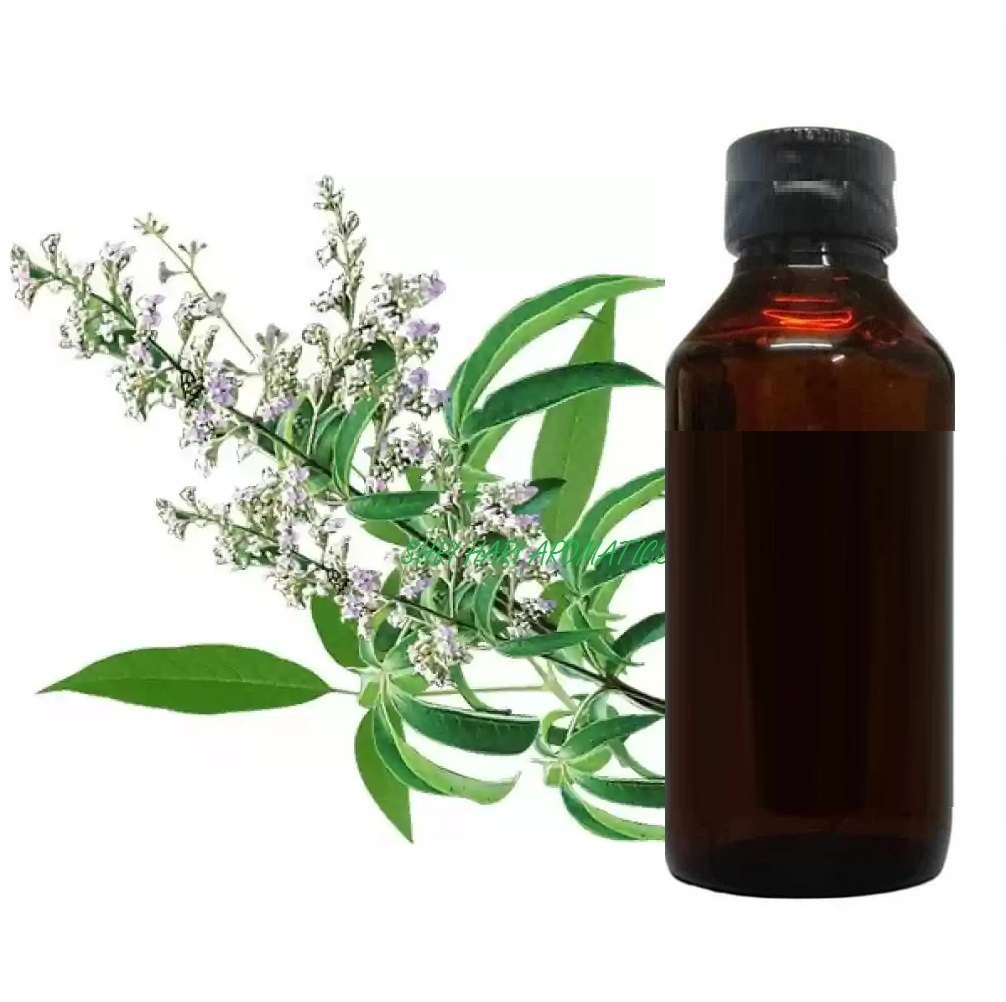
Nirgundi (Vitex negundo) is described in Ayurveda as:
- Katu and Tikta Rasa (pungent and bitter taste)
- Laghu and Ruksha Guna (light and dry properties)
- Ushna Virya (hot potency)
- Kaphavatahara (balances Kapha and Vata)
- Krimighna (anti-infective)
- Shothahara (anti-inflammatory)
These properties make it highly suitable for infected and inflamed wound conditions.
Phytopharmacological constituents
Key bioactive compounds in Vitex negundo include:
- Flavonoids (luteolin, casticin)
- Iridoid glycosides (agnuside)
- Alkaloids
- Volatile oils (limonene, sabinene)
- Steroids and triterpenoids
These compounds are responsible for its antimicrobial and anti-inflammatory actions.
Mechanism of action in Dushta Vrana
Antimicrobial activity:
Nirgundi exhibits broad-spectrum antibacterial activity against gram-positive and gram-negative organisms commonly associated with infected wounds. Its essential oils disrupt bacterial cell membranes and inhibit microbial proliferation.2
Anti-inflammatory effects:
Flavonoids such as luteolin inhibit inflammatory mediators including TNF-α, IL-1β, and COX enzymes, reducing swelling, pain, and erythema in chronic wounds.
Analgesic action:
Nirgundi oil has significant analgesic properties, reducing pain associated with infected and inflamed wounds.
Wound healing promotion:
It enhances fibroblast proliferation, collagen deposition, and epithelialization, leading to improved granulation tissue formation and faster wound closure.
Antioxidant protection:
Polyphenolic compounds neutralize reactive oxygen species, protecting regenerating tissues from oxidative damage.
Role of Nirgundi oil in Dushta Vrana management
- Vrana Shodhana (Wound cleansing): Nirgundi oil helps remove microbial load, slough, and inflammatory exudates from chronic wounds3
- Infection control: Its strong antimicrobial activity reduces bacterial colonization and prevents secondary infections
- Pain and inflammation reduction: The oil provides significant relief from pain, burning sensation, and swelling associated with chronic ulcers
- Tissue regeneration (Vrana Ropana): It promotes healthy granulation tissue formation and supports epithelial regeneration
- Prevention of chronicity: By controlling infection and inflammation, it prevents progression of acute wounds into chronic non-healing ulcers
Clinical applications
Nirgundi oil is widely used in:
- Dushta Vrana (chronic infected wounds)
- Diabetic foot ulcers
- Venous ulcers
- Traumatic infected wounds
- Post-surgical infected wounds
- Sinus tracts and fistulous lesions
- Inflammatory skin ulcers
It is often used as a stand-alone topical application or as part of polyherbal oils such as Nirgundi Taila formulations.
Advantages in wound care
- Natural antimicrobial agent
- Reduces pain and inflammation
- Promotes faster wound healing
- Improves local circulation
- Safe for long-term topical use (when properly prepared)
- Cost-effective herbal therapy
Conclusion
Nirgundi (Vitex negundo) oil is a potent Ayurvedic formulation for the management of Dushta Vrana. Its antimicrobial, anti-inflammatory, analgesic, antioxidant, and wound-regenerative properties make it highly effective in controlling infection and promoting tissue repair in chronic wounds. Contemporary pharmacological evidence strongly supports its traditional use, highlighting its relevance as a natural therapeutic agent in integrative wound care.
Reference:
- Basri, Fauziya & Sharma, Hanuman Prasad & Firdaus, Sazya & Jain, Paras & Ranjan, Alok. (2014). A REVIEW OF ETHNOMEDICINAL PLANT-Vitex negundo Linn. International Journal of Advanced Research. 2. 882-894. https://www.researchgate.net/publication/272094618
- Dharmasiri MG, Jayakody JR, Galhena G, Liyanage SS, Ratnasooriya WD. Anti-inflammatory and analgesic activities of mature fresh leaves of Vitex negundo. J Ethnopharmacol. 2003 Aug;87(2-3):199-206. doi: 10.1016/s0378-8741(03)00159-4. PMID: 12860308. https://pubmed.ncbi.nlm.nih.gov/12860308/
- Talekar YP, Apte KG, Paygude SV, Tondare PR, Parab PB. Studies on wound healing potential of polyherbal formulation using in vitro and in vivo assays. J Ayurveda Integr Med. 2017;8(2):73-81. doi:10.1016/j.jaim.2016.11.007. https://pmc.ncbi.nlm.nih.gov/articles/PMC5497006/