
Introduction
Although most individuals recover from acute COVID-19 infection, a significant proportion continue to experience persistent symptoms for weeks or months after viral clearance. This condition, commonly referred to as post-COVID syndrome or long COVID, may manifest as fatigue, breathlessness, cognitive impairment, sleep disturbances, anxiety, muscle weakness, and reduced quality of life. Conventional management primarily focuses on symptomatic treatment and rehabilitation. Ayurveda offers a holistic framework for post-COVID recovery by addressing impaired immunity, metabolic dysfunction, physical debility, and psychological stress through individualized interventions aimed at restoring balance, vitality, and resilience.
Ayurvedic understanding of post-COVID syndrome
From an Ayurvedic perspective, post-COVID symptoms can be understood as the consequence of weakened Agni (digestive and metabolic fire), depletion of Ojas (vital essence responsible for immunity and vitality), and residual Ama (toxic metabolic byproducts) generated during the disease process. The infection and associated inflammatory response may disturb all three Doshas, particularly Vata, leading to fatigue, weakness, anxiety, insomnia, and musculoskeletal discomfort.
The prolonged disease state can also affect tissue nourishment (Dhatu Kshaya), resulting in reduced strength, poor endurance, and delayed recovery. Therefore, Ayurvedic management focuses not only on symptom control but also on restoring physiological balance and enhancing the body's natural healing capacity.
Strengthening Agni and eliminating Ama
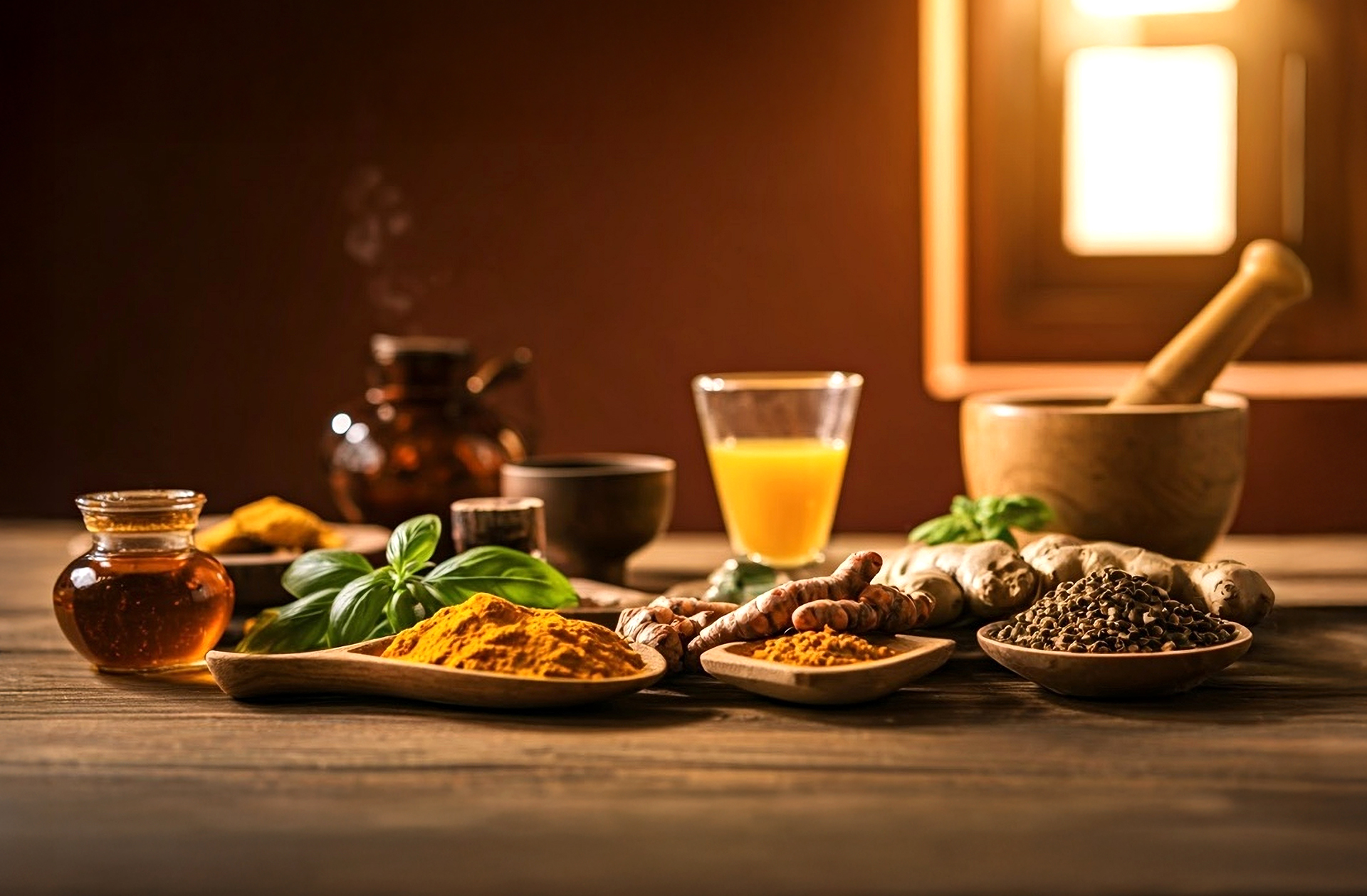
A key objective in post-COVID care is the restoration of digestive and metabolic efficiency. Impaired Agni can hinder nutrient assimilation and contribute to ongoing fatigue and weakness. Ayurveda recommends easily digestible, warm, and nourishing foods along with digestive herbs such as ginger (Zingiber officinale), long pepper (Piper longum), and cumin (Cuminum cyminum) to rekindle metabolic activity.
Herbal formulations possessing Deepana (appetite-enhancing) and Pachana (digestive) properties help eliminate residual Ama, thereby improving digestion, reducing systemic inflammation, and promoting recovery.
Rasayana therapy for immunity and rejuvenation
Rasayana therapy plays a central role in post-COVID rehabilitation. Rasayana herbs support tissue regeneration, immune restoration, and overall vitality. Among the most widely used agents is Withania somnifera (Ashwagandha), which exhibits adaptogenic, immunomodulatory, and anti-fatigue properties. It may help improve physical endurance, reduce stress, and enhance recovery.
Tinospora cordifolia (Guduchi) is valued for its immunomodulatory and anti-inflammatory effects and may support immune homeostasis following infection. Emblica officinalis (Amla), a potent antioxidant-rich Rasayana, helps combat oxidative stress, strengthen immunity, and promote tissue repair. Together, these herbs contribute to the restoration of Ojas, which is considered essential for long-term health and resilience.
Respiratory and cardiopulmonary support
Persistent respiratory symptoms such as breathlessness and cough are common in post-COVID syndrome. Ayurveda recommends herbs with respiratory-supportive properties, including Glycyrrhiza glabra (Yashtimadhu), Ocimum sanctum (Tulsi), and Piper longum. These herbs may help maintain respiratory function, reduce airway irritation, and support pulmonary recovery.
Steam inhalation, breathing exercises, and appropriate dietary measures further assist in improving respiratory health and functional capacity.
Role of Yoga and mind-body interventions
Post-COVID syndrome is frequently associated with anxiety, depression, sleep disturbances, and cognitive difficulties. Ayurvedic care emphasizes the integration of yoga, meditation, and Pranayama to support mental and physical rehabilitation. Controlled breathing practices improve lung function and oxygen utilization, while meditation helps reduce stress and enhance psychological well-being.
Regular physical activity tailored to individual capacity also aids in rebuilding strength, improving circulation, and reducing fatigue.
Conclusion
Post-COVID syndrome presents a multifaceted health challenge requiring comprehensive and individualized management. Ayurveda offers a holistic approach that addresses the underlying disturbances in Agni, Ama, Doshas, and Ojas while promoting tissue rejuvenation and immune restoration. Through the combined use of Rasayana therapy, dietary optimization, herbal support, and mind-body practices, Ayurveda provides a valuable framework for enhancing recovery, restoring vitality, and improving quality of life following COVID-19. As interest in integrative healthcare continues to grow, Ayurvedic principles may serve as useful adjuncts in the long-term management of post-COVID health concerns.1
References:
- Soumya P, Kalyani SS, Chabnur SM. An Ayurvedic approach to post COVID symptoms. J Ayurveda Integr Med Sci. 2021;6(4):235-241. https://jaims.in/jaims/article/view/1413/1456