
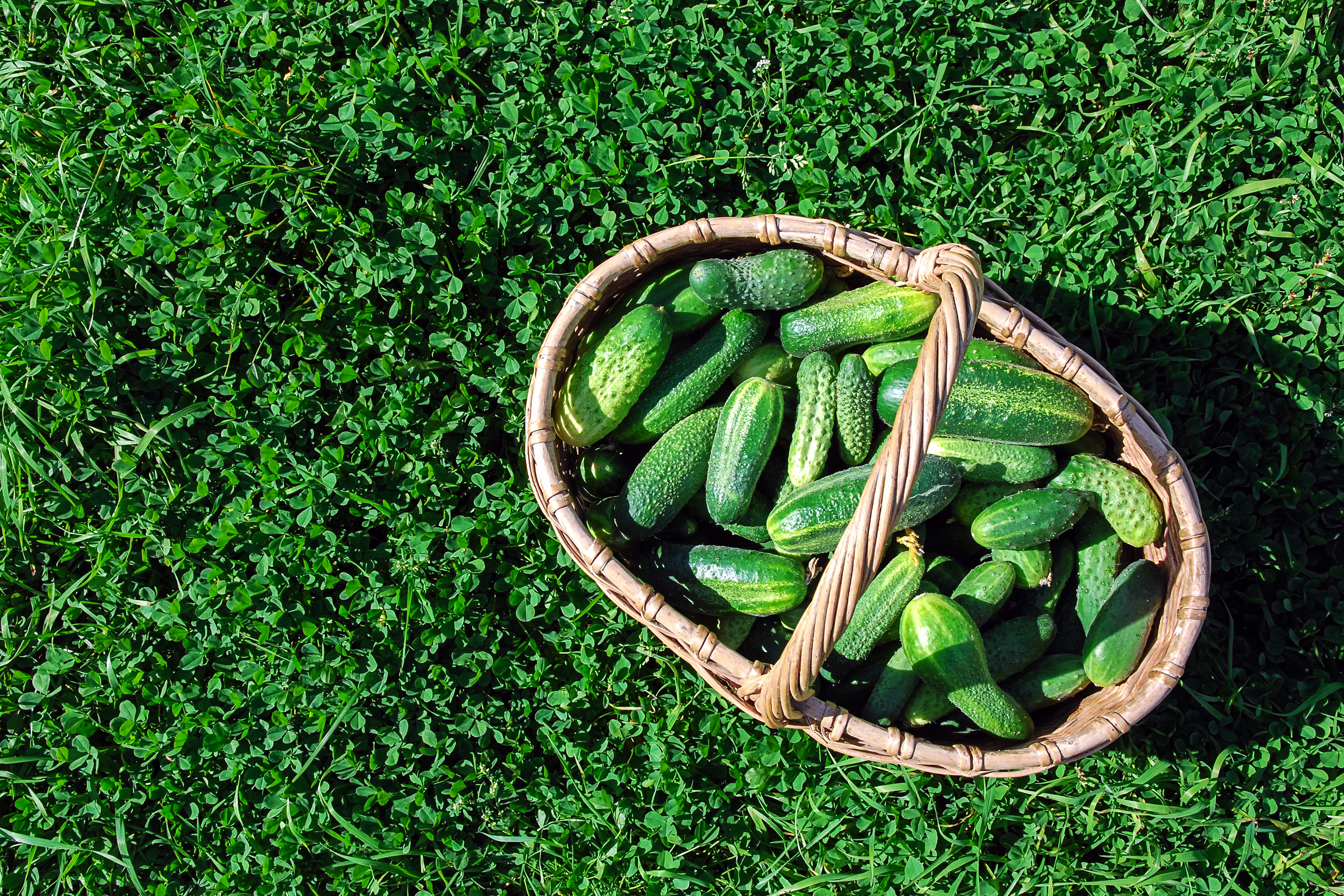
Ivy gourd (Coccinia grandis), commonly known as kundru, is a tropical cucurbit traditionally used in South Asian medicine and investigated for its potential glucose-lowering effects. Preliminary clinical studies suggest that certain ivy gourd preparations may improve glycemic parameters in people with type 2 diabetes. However, differences in plant parts, formulations, and study designs limit the generalizability of these findings. Ivy gourd should therefore be considered a potential dietary adjunct under investigation, rather than a substitute for established diabetes management.1,2
Traditional uses and potential mechanisms
- Ivy gourd has traditionally been used in Ayurvedic and other regional medicinal practices for managing elevated blood glucose, although traditional use alone does not establish therapeutic efficacy.1
- Preclinical research suggests that extracts may influence glucose metabolism through insulin-like activity, effects on insulin secretion, or modulation of enzymes involved in glucose regulation; the relative contribution of these mechanisms in humans remains uncertain.1,3
- The glucose-lowering effects observed in experimental studies provide a rationale for clinical investigation, but they do not establish that ordinary dietary consumption produces the same effects as concentrated extracts.
Clinical evidence for glycemic control
- A double-blind clinical trial reported that a meal containing ivy gourd leaves reduced postprandial glucose compared with a control meal, although the findings require confirmation in larger populations with diabetes.3
- A randomized, double-blind, placebo-controlled trial published in 2021 enrolled 158 patients with newly diagnosed type 2 diabetes, of whom 145 completed the study. A standardized herbal formulation of C. grandis at 500 mg daily for 3 months was associated with improvements in glycemic and selected lipid parameters. However, the findings cannot be extrapolated directly to ordinary dietary consumption or other formulations.2
- The small number of clinical trials, limited follow-up, and variation in preparations restrict conclusions about long-term efficacy and safety.
Clinical considerations and safety
|
Clinical consideration |
Implications for practice |
|
Dietary consumption |
Ivy gourd may be included as a nonstarchy vegetable within an individualized diabetes meal plan. |
|
Supplementation |
Evidence is insufficient to recommend routine use for glycemic control. |
|
Concurrent glucose-lowering therapy |
Monitor glucose when concentrated preparations are used because additive glucose-lowering effects are possible. |
|
Contraindications and interactions |
Reliable data on contraindications, drug interactions, and safety in pregnancy or significant organ disease remain limited. |
|
Standard diabetes care |
Ivy gourd should not replace prescribed medication, medical nutrition therapy, or routine monitoring. |
The American Diabetes Association's 2026 Standards of Care do not recommend herbal supplements for the purpose of improving glycemia because evidence of benefit remains insufficient.4
Conclusion
Ivy gourd is a traditional food and medicinal plant with preliminary clinical evidence suggesting potential glucose-lowering effects. However, current findings are insufficient to establish its effectiveness as a routine treatment for diabetes. Clinicians should distinguish dietary use from medicinal supplementation, review potential interactions, and prioritize evidence-based diabetes management while further research clarifies its efficacy and safety.
References
- Leach MJ. An overview of herbal products and secondary metabolites used for management of type two diabetes. Front Pharmacol. 2017;8:436. https://pmc.ncbi.nlm.nih.gov/articles/PMC5499308/
- Wasana KGP, Attanayake AP, Weerarathna TP, Jayatilaka KAPW. Efficacy and safety of a herbal drug of Coccinia grandis (Linn.) Voigt in patients with type 2 diabetes mellitus: a double blind randomized placebo controlled clinical trial. Phytomedicine. 2021;81:153431. doi:10.1016/j.phymed.2020.153431. https://pubmed.ncbi.nlm.nih.gov/33352495/
- Munasinghe MA, Abeysena C, Yaddehige IS, Vidanapathirana T, Piyumal KPB. Blood sugar lowering effect of Coccinia grandis (L.) J. Voigt: path for a new drug for diabetes mellitus. Exp Diabetes Res. 2011;2011:978762. doi:10.1155/2011/978762. https://pmc.ncbi.nlm.nih.gov/articles/PMC3142553/
- American Diabetes Association Professional Practice Committee for Diabetes. 5. Facilitating positive health behaviors and well-being to improve health outcomes: Standards of Care in Diabetes—2026. Diabetes Care. 2026;49(suppl 1):S89-S131. doi:10.2337/dc26-S005. https://diabetesjournals.org/care/article/49/Supplement_1/S89/163932/5-Facilitating-Positive-Health-Behaviors-and-Well