
Introduction
Dry eye syndrome is a common ocular surface disorder characterized by tear film instability, ocular discomfort, and visual disturbance. In Ayurveda, this condition is correlated with Shushkakshipaka, described as a Sarvagata Netra Roga involving all ocular structures and marked by Paka (inflammatory changes) associated with Shuskatva (dryness) due to altered Ashru (tear) dynamics. Classical Śālākya Tantra describes multiple therapeutic modalities including Keshanjana, Netra Parisheka, and ocular Tarpana for symptomatic and functional management.
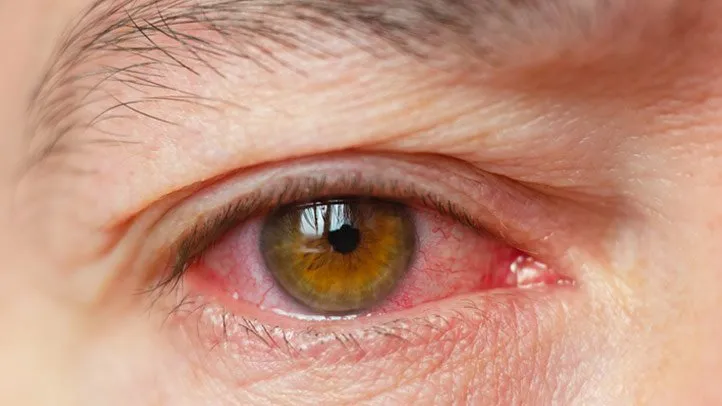
Clinical features of Shushkakshipaka
Shushkakshipaka presents with features corresponding to tear film deficiency and ocular surface irritation. Key clinical manifestations include:
- Foreign body sensation and ocular discomfort
- Burning sensation and dryness
- Pricking pain (Toda) and gritty feeling (Gharsha)
- Photophobia (Kunita) and blurred vision (Avila Darshana)
- Conjunctival congestion (Raktaraji) and ocular irritation
These symptoms reflect disruption of ocular surface homeostasis and tear film integrity.
Therapeutic relevance of Keshanjana and Netra Parisheka
Local ocular therapies such as Keshanjana and Netra Parisheka are utilized to restore ocular surface balance and provide symptomatic relief in Shushkakshipaka. These interventions aim to hydrate, soothe, and stabilize the ocular environment through topical and irrigative mechanisms.
Therapeutic applications include:
- Keshanjana for direct ocular surface application
- Netra Parisheka for continuous ocular irrigation and cleansing
- Combined use for enhanced symptomatic relief in dryness and irritation
Clinical application demonstrates improvement in multiple parameters including foreign body sensation, burning sensation, dryness, itching, photophobia, and tear film stability indicators.
Therapeutic role of Tarpana in Shushkakshipaka
Netra Tarpana represents a classical ocular nourishing procedure performed using medicated ghee preparations such as Triphala Ghrita and Goghrita Manda. This therapy supports ocular lubrication and tissue nourishment.
Key clinical outcomes associated with Tarpana include:
- Reduction in ocular dryness and burning sensation
- Improvement in gritty sensation and pain
- Relief in photophobia and conjunctival congestion
- Enhancement of tear film stability parameters
- Support for ocular surface restoration
Comparative observations indicate effective symptom relief with both formulations, with variations in response across specific symptoms. 1
Mechanistic perspective in Ayurvedic ophthalmology
Ayurvedic ocular therapies for Shushkakshipaka function through localized ocular nourishment and restoration of Ashru balance. These interventions contribute to:
- Rehydration of ocular surface tissues
- Restoration of tear film stability (Ashru Samyoga)
- Reduction of inflammatory and irritative symptoms (Paka)
- Improvement in ocular comfort and visual clarity
Conclusion
Shushkakshipaka (dry eye syndrome) represents a tear film and ocular surface disorder effectively addressed through classical Ayurvedic therapies. Keshanjana, Netra Parisheka, and Tarpana using formulations such as Triphala Ghrita and Goghrita Manda provide symptomatic relief and ocular surface support, highlighting the clinical relevance of Śālākya Tantra approaches in dry eye management. 2
References:
- Vardhan P, Dhiman KS. Clinical study to assess the efficacy of Keshanjana and Netra Parisheka in the management of Shushkakshipaka (dry eye syndrome). Ayu. 2014;35(3):277-282. doi:10.4103/0974-8520.153744. https://pmc.ncbi.nlm.nih.gov/articles/PMC4649572/
- Timmapur GM, Fiaz S. Efficacy of Triphala Ghrita and Goghrita Manda Tarpana in the management of Shushkakshipaka w.s.r. to dry eye syndrome: An open labelled randomized comparative clinical trial. Ayu. 2020;41(1):52-57. doi:10.4103/ayu.AYU_108_18. https://pmc.ncbi.nlm.nih.gov/articles/PMC8415239/