
Introduction
Skin aging is a complex biological process characterized by progressive structural and functional changes in the epidermis, dermis, and extracellular matrix. Wrinkle formation is a hallmark feature of cutaneous aging and results from intrinsic (chronological) and extrinsic (photoaging-related) factors. Key pathological mechanisms include collagen degradation, reduced elastin integrity, oxidative stress, glycation end-product accumulation, and chronic low-grade inflammation.
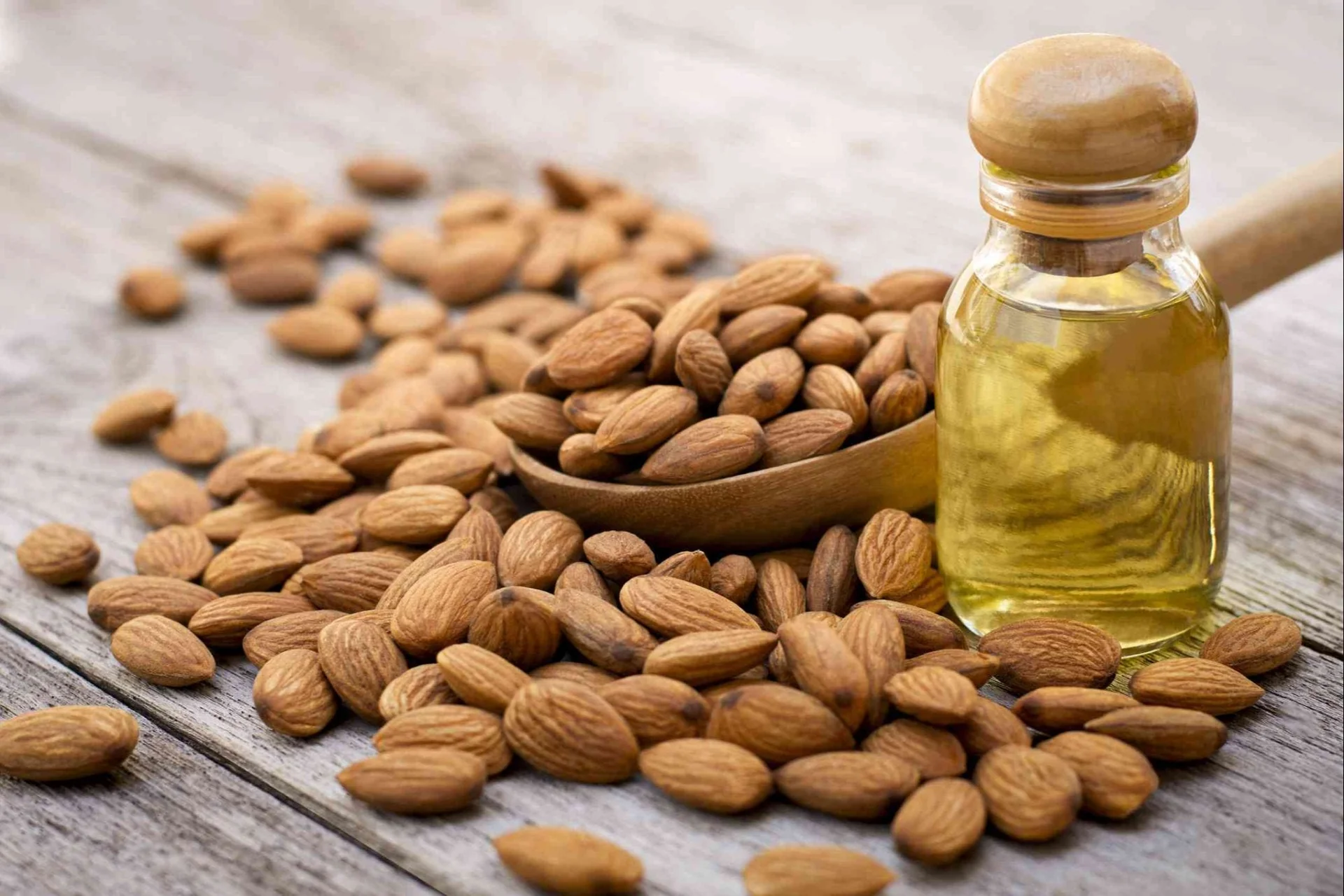
Dietary factors have emerged as important modulators of skin aging. Among nutrient-dense foods, almonds (Prunus dulcis) are increasingly recognized as a functional nut with potential dermoprotective effects due to their rich composition of monounsaturated fatty acids, vitamin E, polyphenols, fiber, and essential micronutrients.1
Pathophysiology of wrinkle formation
Wrinkle development is driven by multiple interconnected mechanisms:
- Collagen fragmentation and reduced synthesis due to matrix metalloproteinase (MMP) activation
- Elastin fiber degeneration, leading to loss of skin elasticity
- Oxidative stress–mediated cellular damage from reactive oxygen species (ROS)
- Advanced glycation end-product (AGE) accumulation, causing dermal stiffness
- UV-induced photoaging, activating NF-κB and AP-1 signaling pathways
- Chronic inflammation, contributing to dermal remodeling impairment
These mechanisms collectively lead to thinning of dermal matrix, reduced hydration, and visible wrinkle formation.
Nutritional and phytochemical profile of almonds
Almonds are a nutrient-dense functional food containing:
- Monounsaturated fatty acids (oleic acid)
- Vitamin E (α-tocopherol)
- Polyphenolic compounds (flavonoids and phenolic acids)
- Magnesium, zinc, and calcium
- Dietary fiber and plant proteins
This unique nutritional composition supports antioxidant defense, metabolic regulation, and structural skin integrity.
Mechanisms of anti-wrinkle action of almonds
Antioxidant and photoprotective effects:
Vitamin E and polyphenols in almonds neutralize reactive oxygen species, reducing oxidative damage to collagen and elastin fibers. This helps prevent UV-induced photoaging and dermal degradation.
Modulation of collagen metabolism:
Bioactive compounds in almonds may help inhibit MMP activity while supporting collagen synthesis, thereby improving dermal structural integrity and reducing wrinkle depth.
Improvement of skin barrier and hydration:
Essential fatty acids contribute to enhanced epidermal lipid barrier function, reducing transepidermal water loss and improving skin elasticity and smoothness.
Anti-inflammatory effects:
Almond-derived nutrients downregulate inflammatory mediators such as TNF-α and IL-6, which are involved in chronic skin aging processes.
Metabolic and glycation control:
Almonds may help regulate postprandial glycemia and reduce glycation end-product formation, thereby limiting collagen cross-linking and skin stiffness.
Clinical and research evidence
Emerging clinical and nutritional studies suggest that regular almond consumption may improve skin aging parameters, including:
- Reduction in wrinkle severity and facial fine lines2
- Improved skin tone and texture
- Enhanced skin hydration and elasticity
- Improved resistance to oxidative stress
Although large-scale randomized controlled trials are still limited, available evidence supports almonds as a promising dietary intervention in dermonutrition and anti-aging dermatology.
Therapeutic role of almonds in wrinkle management
Almonds act as a supportive dermonutritional agent in skin aging through:
- Protection against oxidative dermal damage
- Enhancement of collagen integrity and extracellular matrix stability
- Improvement of skin hydration and barrier function
- Reduction of inflammatory aging pathways
- Support of metabolic pathways linked to glycation and photoaging
They are best positioned as an adjunctive nutritional strategy alongside topical anti-aging therapies and sun protection measures.
Advantages of almond-based anti-wrinkle strategy
- Natural, food-based anti-aging intervention
- Rich source of antioxidants and essential fatty acids
- Supports both metabolic and dermatological health
- Safe for long-term dietary use
- Multifactorial action on aging pathways (oxidative, inflammatory, glycation-related)
- Potential cardiometabolic benefits in addition to skin improvement
- Easy integration into daily diet without pharmacological burden
Conclusion
Almonds represent a scientifically plausible functional food with significant potential in anti-wrinkle and skin rejuvenation strategies. Their antioxidant, anti-inflammatory, and dermal matrix–supportive properties collectively target key mechanisms involved in skin aging. While current evidence is promising, further well-designed clinical trials are needed to establish standardized dosing and confirm long-term efficacy in wrinkle prevention and skin aging management.
References:
- Barreca D, Nabavi SM, Sureda A, et al. Almonds (Prunus Dulcis Mill. D. A. Webb): A Source of Nutrients and Health-Promoting Compounds. Nutrients. 2020;12(3):672. Published 2020 Mar 1. doi:10.3390/nu12030672. https://pmc.ncbi.nlm.nih.gov/articles/PMC7146189/
- Rybak I, Carrington AE, Dhaliwal S, et al. Prospective Randomized Controlled Trial on the Effects of Almonds on Facial Wrinkles and Pigmentation. Nutrients. 2021;13(3):785. Published 2021 Feb 27. doi:10.3390/nu13030785. https://pmc.ncbi.nlm.nih.gov/articles/PMC7997170/