
The postnatal period, described in Ayurveda as Sutika Kala, is an important phase of maternal recovery following childbirth. Ayurvedic Sutika Paricharya emphasizes appropriate nutrition, rest, restoration of strength, and supportive therapies. Shatapushpa (Anethum species) is traditionally associated with women's reproductive health. Shatapushpa Taila, an oil-based preparation, may be considered within this context, depending on its composition, route of administration, and intended application.1,2
Traditional rationale and therapeutic applications
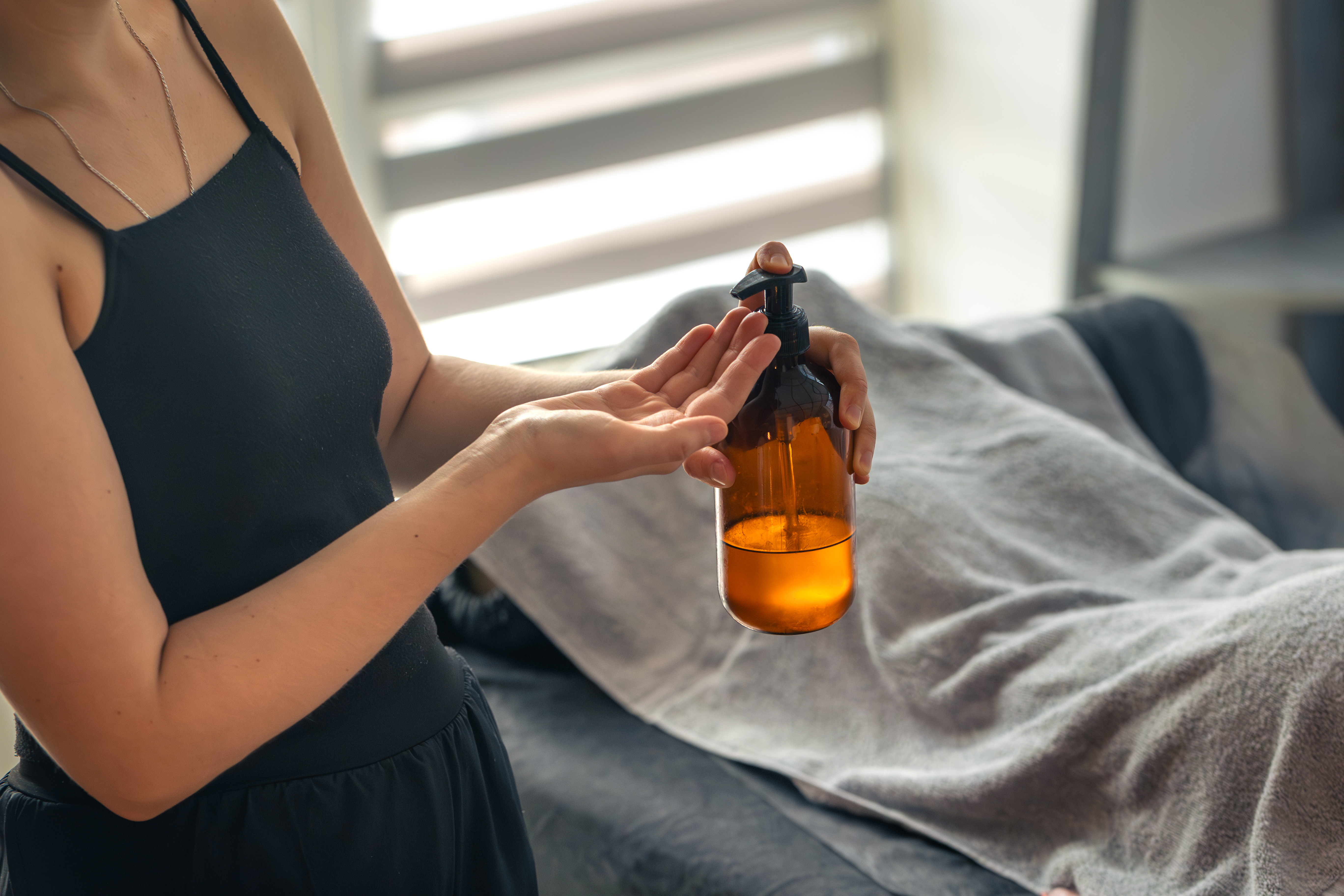
Shatapushpa is discussed in Ayurvedic gynaecological practice in relation to reproductive health and Vata regulation. Oil-based therapies, including Abhyanga (therapeutic massage), are incorporated into some Ayurvedic postpartum regimens to support comfort and recovery.2
- Maternal comfort: External oil massage may be considered as supportive care when appropriate to the mother's condition.
- Traditional reproductive care: Shatapushpa has traditional applications in Ayurvedic gynaecology, but these do not independently establish the effectiveness of Shatapushpa Taila after childbirth.
- Formulation-specific use: The botanical identity, ingredients, preparation method, and intended route should be established before clinical use.
Clinical considerations and safety
Postnatal application should be individualized according to the mode of delivery, wound healing, bleeding, skin condition, and overall maternal recovery.
|
Clinical area |
Key considerations |
|
External application |
Apply only to intact skin when appropriate; avoid open wounds and infected or tender areas. |
|
Caesarean or perineal wounds |
Avoid application directly to healing incisions or perineal wounds unless advised by the treating clinician. |
|
Breastfeeding |
Consider the formulation, route, potential infant exposure, and limited preparation-specific safety data. |
|
Route of administration |
External massage, oral use, and vaginal application are distinct interventions and should not be treated as interchangeable. |
|
Postpartum complications |
Persistent heavy bleeding, fever, or increasing pain requires prompt medical assessment rather than herbal self-treatment. |
Evidence and research priorities
Contemporary literature discusses Shatapushpa in women's health and describes Ayurvedic postpartum care as a combination of dietary, lifestyle, and therapeutic measures.1,2 However, evidence specifically establishing the effectiveness of Shatapushpa Taila for postnatal recovery remains limited. Research should distinguish external massage from other routes and assess formulation-specific safety, maternal comfort, and clinically relevant outcomes.
Conclusion
Shatapushpa Taila has a traditional context within Ayurvedic women's healthcare, while oil-based supportive therapies form part of broader Sutika Paricharya. Its specific role in postnatal care depends on the formulation and application and should be considered alongside established postpartum assessment and individualized maternal care.
References
- P Patil DP. Shatpushpa: one solution for various female health issues: a review. Ayurlog: National Journal of Research in Ayurved Science. 2020;8(4). doi:10.52482/ayurlog.v8i04.651. https://www.ayurlog.com/article/651
- Patil NN, Shinde A. A comprehensive review of Sutika Paricharya: the Ayurvedic science of postpartum care. J Ayurveda Integr Med Sci. 2026;11(3). doi:10.21760/jaims.11.3.59. https://jaims.in/jaims/article/view/5605