
Introduction
Chronic wounds are characterized by failure to progress through the normal phases of healing, often remaining trapped in a prolonged inflammatory state. Factors such as poor circulation, diabetes mellitus, infection, venous insufficiency, and immune dysfunction contribute to delayed healing and increased morbidity.
In Ayurveda, chronic wounds (Dushta Vrana) are frequently associated with vitiation of Rakta, Pitta, and Kapha Doshas. The accumulation of impure blood, inflammatory mediators, and tissue toxins impairs normal healing processes. Sushruta described Jalaukavacharana as a gentle and effective bloodletting procedure capable of removing vitiated blood while promoting wound purification and healing.1
Ayurvedic perspective
Jalaukavacharana is considered particularly beneficial in wounds associated with:
- Local inflammation and congestion
- Discoloration and edema
- Burning sensation and pain
- Chronic non-healing ulcers
- Impaired circulation
- Infected wounds
The procedure facilitates Raktashodhana (blood purification), reduces local Dosha aggravation, and promotes healthy granulation tissue formation. Because medicinal leeches extract only a limited amount of blood, the therapy is regarded as safe and suitable for debilitated individuals.2
Mechanisms of action
Improvement of microcirculation:
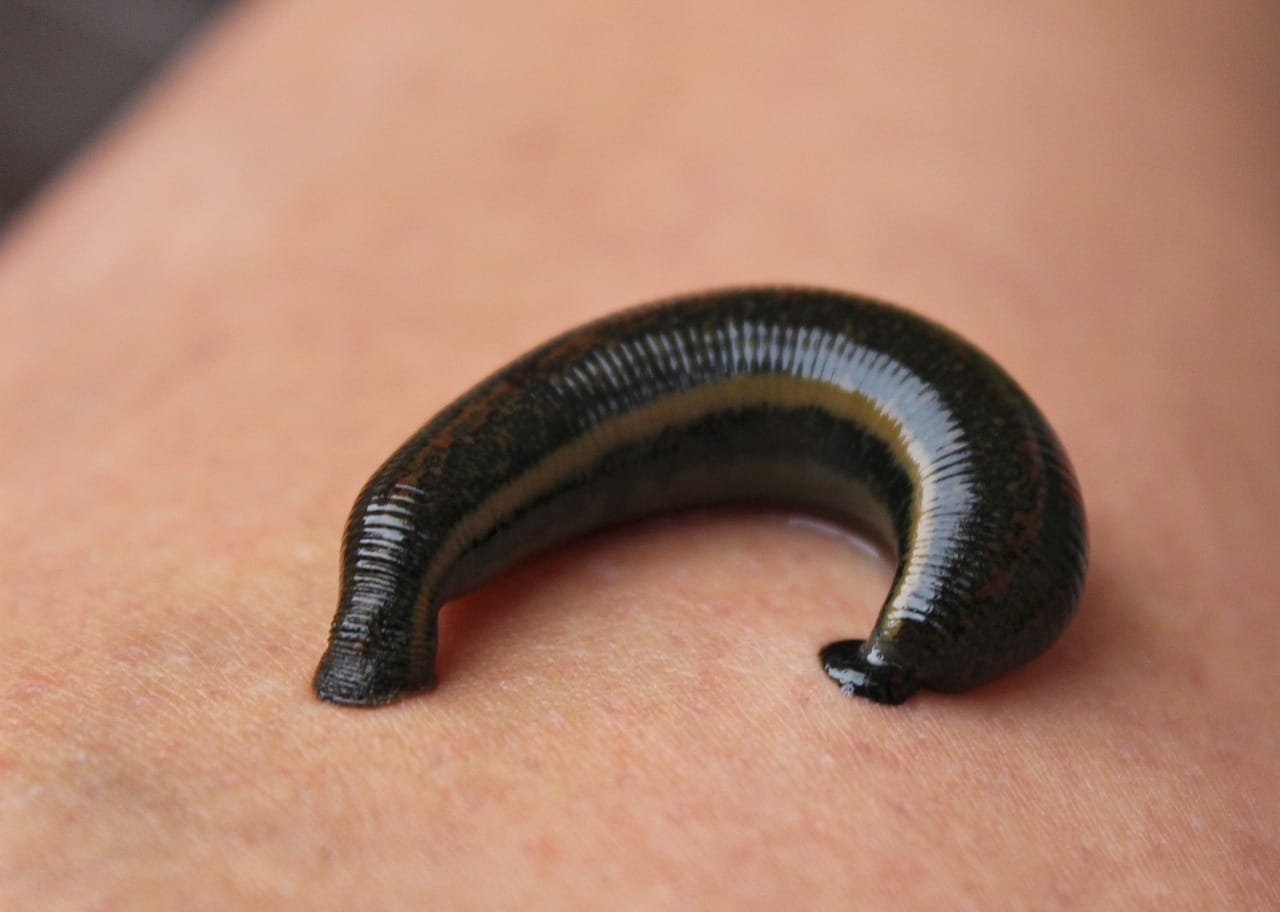
Leech saliva contains hirudin and calin, potent anticoagulant molecules that prevent blood clotting and improve local circulation. Enhanced blood flow increases oxygen and nutrient delivery to the wound bed, facilitating tissue repair.
Anti-inflammatory effects:
Bioactive compounds such as bdellins and eglins inhibit inflammatory enzymes and cytokines. Reduction of chronic inflammation allows wounds to progress from the inflammatory phase to the proliferative phase of healing.
Reduction of venous congestion:
Many chronic wounds are associated with impaired venous drainage and tissue hypoxia. Jalaukavacharana helps relieve local congestion, thereby improving perfusion and reducing edema.
Antimicrobial activity:
Certain components of leech secretions exhibit antimicrobial properties that may help reduce bacterial colonization. This action supports wound cleansing and lowers the risk of secondary infection.
Promotion of tissue regeneration:
Improved circulation and reduced inflammation create a favorable environment for fibroblast proliferation, collagen synthesis, angiogenesis, and epithelialization, all essential processes in wound healing.
Clinical applications
Jalaukavacharana has been employed in the management of:
- Diabetic foot ulcers
- Venous leg ulcers
- Pressure ulcers
- Chronic non-healing wounds
- Varicose ulcers
- Post-traumatic ulcers
- Ischemic wounds
- Inflammatory skin ulcers
Clinical studies have reported improvements in wound size reduction, granulation tissue formation, pain relief, edema reduction, and overall healing rates following medicinal leech therapy.
Advantages in chronic wound care
- Minimally invasive procedure
- Improves local circulation
- Reduces inflammation and pain
- Supports wound debridement
- Enhances tissue oxygenation
- Complements conventional wound-care strategies
- Suitable for chronic and difficult-to-heal wounds
Conclusion
Jalaukavacharana represents a unique Ayurvedic therapeutic approach for chronic wound management. By combining blood purification with the pharmacological actions of medicinal leech saliva, the procedure improves microcirculation, reduces inflammation, alleviates venous congestion, and promotes tissue regeneration. Both classical Ayurvedic principles and contemporary scientific evidence support its role in the management of chronic wounds, particularly those characterized by poor circulation and persistent inflammation. Further well-designed clinical trials are warranted to establish standardized treatment protocols and strengthen its integration into modern wound-care practice.3
Reference:
- Sig AK, Guney M, Uskudar Guclu A, Ozmen E. Medicinal leech therapy-an overall perspective. Integr Med Res. 2017;6(4):337-343. doi:10.1016/j.imr.2017.08.001 https://pmc.ncbi.nlm.nih.gov/articles/PMC5741396/
- Jha K, Garg A, Narang R, Das S. Hirudotherapy in Medicine and Dentistry. J Clin Diagn Res. 2015;9(12):ZE05-ZE7. doi:10.7860/JCDR/2015/16670.6918 https://pmc.ncbi.nlm.nih.gov/articles/PMC4717768/
- Varsha, S., Niraj, S. and Pradeep, K., 2020. Leeth therapy (Jalaukavacharana)-A novel gift from Ayurveda for treatment of medico-surgical diseases. EXECUTIVE EDITOR, 11(6), p.845. https://www.researchgate.net/profile/Shyamantak-Misra-2/publication/381884915