
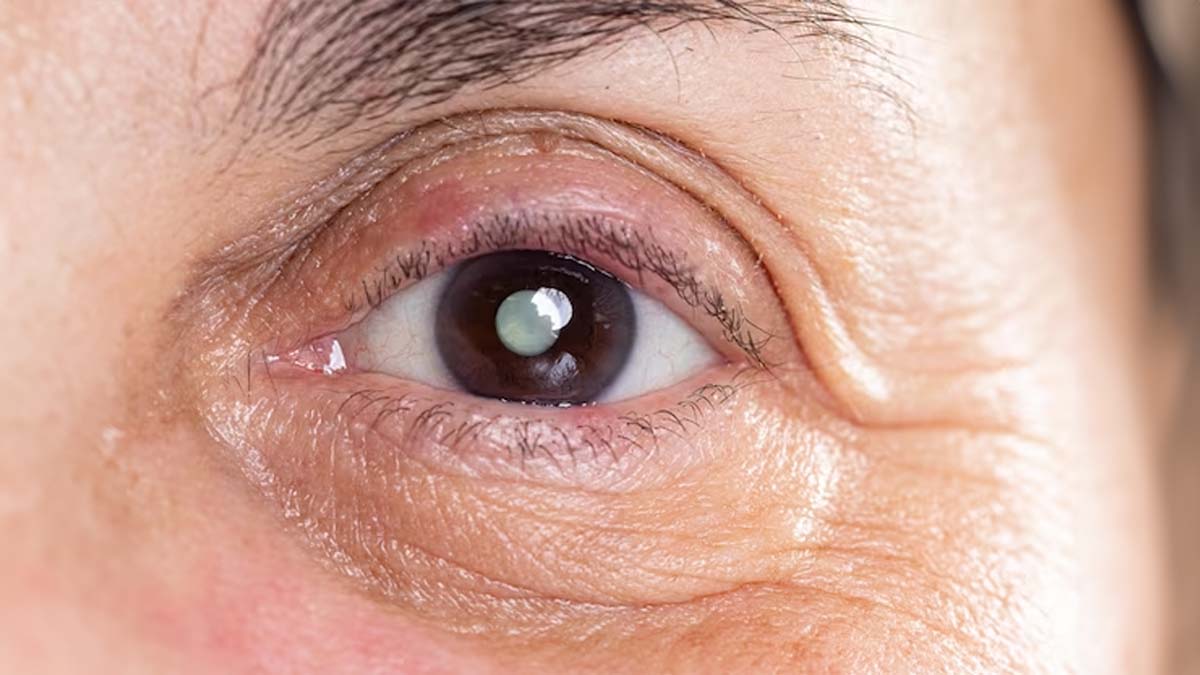
Introduction
Adhimantha is described in Ayurveda as a severe ocular disorder characterized by intense churning pain in the eye, with a sensation of the eye being pulled outward, often extending to half of the head. Classical descriptions associate its progression with involvement of specific Dosha patterns, and it is considered a serious condition where untreated Abhishyanda may advance to Adhimantha. In advanced stages, the condition is associated with potential loss of vision.
In contemporary correlation, glaucoma is recognized as a progressive optic neuropathy characterized by optic disc changes, visual field defects, and frequently associated elevation of intraocular pressure.
Pathophysiological correlation of Adhimantha
Adhimantha is categorized among Sarvagata netra rogas, reflecting systemic ocular involvement. The condition is characterized by progressive visual deterioration, optic involvement, and severe ocular discomfort. Its progression is understood in relation to untreated inflammatory ocular conditions, ultimately leading to irreversible visual impairment.
Key clinical parallels include:
- Severe ocular pain with head involvement
- Progressive visual dimness
- Optic nerve-related functional decline
- Potential progression toward irreversible vision loss
Therapeutic approaches in Ayurvedic management
Management of Adhimantha emphasizes multi-modal Panchakarma and Netra kriyakalpa interventions aimed at reducing symptom severity and preventing progression of optic involvement. Therapeutic strategies are directed toward balancing ocular Doshas and improving local ocular function.
Commonly applied interventions include:
- Basti karma for systemic dosha regulation
- Nasya karma for head and ocular channel support
- Tarpana for ocular nourishment and stabilization
- Anjana for localized therapeutic action
- Ashchyotana for topical ocular management
- Shiropichu for head-related symptom modulation
These interventions are integrated to address both symptomatic relief and functional preservation of ocular structures.
Clinical observations in Ayurvedic intervention models
Therapeutic application of formulations such as Triphaladi Varti and Nayanamrita Lauha reflects classical ophthalmic management strategies. Combined therapeutic approaches demonstrate comparatively better outcomes in parameters related to vision, ocular discomfort, and structural indicators of ocular health.
In integrative management settings, Panchakarma-based therapies combined with ocular procedures are associated with stabilization of disease progression and support in preventing further optic nerve involvement.
Mechanistic relevance in ocular health preservation
Ayurvedic interventions in Adhimantha focus on reducing pathological ocular pressure, improving local circulation, and restoring functional balance within ocular channels. The therapeutic framework emphasizes both symptom control and prevention of degenerative progression affecting the optic apparatus.
Conclusion
Adhimantha represents a severe ocular disorder in Ayurveda with close clinical correlation to glaucoma. Its management relies on structured Panchakarma and Netra kriyakalpa therapies aimed at symptom relief and neuro-ocular protection. Integrated Ayurvedic approaches demonstrate relevance in addressing disease progression and supporting ocular function preservation.1,2
References:
- Chauhan DB, Singh K, Mehta AJ. A clinical study on Adhimantha and it's management with Nayanamrita Lauha and Triphaladi Varti. Ayu. 2010;31(1):62-66. doi:10.4103/0974-8520.68206. https://pmc.ncbi.nlm.nih.gov/articles/PMC3215324/
- Shukla H, Sharma P, Mehta M. Ayurvedic approach in the management of Adhimantha. Ayushdhara. 2025;12(1). https://ayushdhara.in/index.php/ayushdhara/article/view/1778/1897