
Introduction
Premature menopause, characterized by early cessation or marked reduction of menstrual function, is understood in Ayurveda through the classical concept of Nasta-Artava (absence of menstruation). Acharya Sushruta and Vagbhata described this condition following the classification of Asta-Artava Dosha, while Bhavaprakasha referred to it as Rajo-Nasha, and Bhela described it as complete absence of Rajah. This condition closely corresponds to clinical features of amenorrhea and hormonal insufficiency seen in premature ovarian dysfunction.
The Artava Vaha Srotas is described by Sushruta as originating from the Garbhashaya (uterus) and Artavavahi Dhamani, indicating a direct anatomical and functional correlation with reproductive physiology. The primary Doshas involved are Vata and Kapha, where their vitiation leads to obstruction of reproductive channels. Bhavaprakasha has further classified Rajo-Nasha among Vata disorders, emphasizing the dominant role of Apana Vayu dysfunction due to Srotorodha (channel obstruction).
Pathophysiology according to Ayurveda
In premature menopause, aggravated Vata and Kapha obstruct the Artavavaha Srotas, leading to impaired menstruation. This obstruction disrupts the normal functioning of Apana Vayu, which governs downward movement and reproductive discharge. Consequently, hormonal and metabolic imbalance develops, leading to menstrual irregularity or complete amenorrhea.
The therapeutic objective is therefore to adopt Pitta-vardhaka, Vata-Kaphaghna, and Avarana-clearing (Dosha obstruction removal) strategies. The aim is to restore Agni, clear Srotas, regulate hormonal activity, and re-establish menstrual cyclicity.
Classical formulations and therapeutic actions
- Kalayanka Ghrita and Phala Ghrita: Ghrita preparations are widely indicated in infertility and reproductive disorders. Phala Ghrita contains herbs such as Shatavari, Ashwagandha, Yashtimadhu, and Bala, processed in cow’s ghee and milk. These formulations possess Madhura Rasa, Sheeta Veerya, and Snigdha Guna, producing Brimhana (tissue nourishment), Balya (strengthening), Rasayana (rejuvenation), and Vayahsthapana (anti-aging) effects. They also exert Vrishya properties, supporting reproductive tissue restoration.
- Pushpadhanwa Rasa and Nashtapushpantak Rasa: These herbo-mineral formulations act on the neuroendocrine axis by enhancing Dhatu Vriddhi, Agni, and reproductive tissue strength. Pushpadhanwa Rasa improves systemic nourishment and endocrine stimulation, while Nashtapushpantak Rasa is traditionally indicated for Nashta-Pushpa (anovulation and amenorrhea). It is known to support ovulation, improve menstrual flow, and enhance reproductive system function.
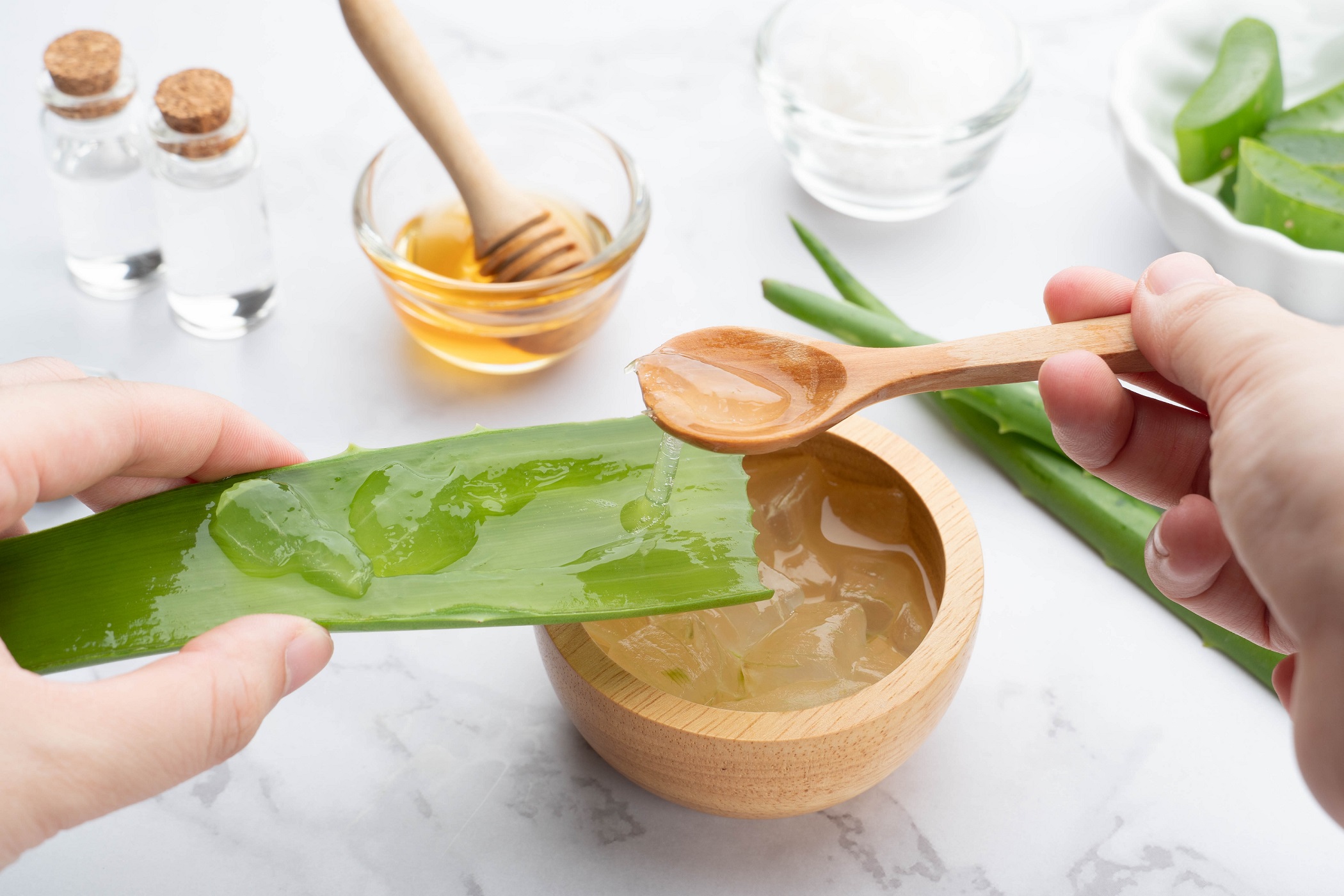
- Rajah Pravartini Vati: This formulation is characterized by Katu and Tikta Rasa, Ushna Veerya, and Teekshna Guna, which help remove Srotorodha and normalize Apana Vayu. Ingredients such as Hingu, Kumari (Aloe vera), Tankan, and Kasis promote Artava Janana and improve uterine circulation. Kumari contributes antiprostaglandin and digestive regulatory actions, while Kasis supports Rakta Dhatu enhancement, improving uterine perfusion.
- Kanchanara Guggulu and Vriddhi Vadhika Vati: Kanchanara Guggulu primarily addresses Kapha-related obstruction, facilitating lymphatic detoxification and channel cleansing. It is particularly beneficial in endocrine-related menstrual irregularities such as hypothyroidism-associated oligomenorrhea. Vriddhi Vadhika Vati further assists in removing Kapha Avarana and restoring normal menstrual flow through its Anulomana and Kapha-pacifying actions.
Supportive herbal and metabolic interventions
Herbs like Shatavari are used to regulate hormonal balance and support follicular maturation, thereby restoring Aartava Dhatu function. Additionally, liver-metabolism-supportive formulations and uterine tonics assist in maintaining endocrine homeostasis. From a physiological perspective, estradiol influences hepatic metabolism and reproductive hormone regulation, and Ayurvedic formulations are believed to indirectly support such endocrine balance through metabolic correction.
Conclusion
Premature menopause, interpreted as Nasta-Artava in Ayurveda, arises primarily due to Vata-Kapha vitiation, Srotorodha, and Apana Vayu dysfunction. Classical Ayurvedic management focuses on restoring channel patency, enhancing Agni, and revitalizing reproductive tissues through Rasayana, Deepana-Pachana, and Artava Janana therapies. Formulations such as Ghritas, Vati preparations, and Kanchanara Guggulu, along with key herbs like Shatavari, collectively aim to restore hormonal equilibrium and menstrual regularity. This integrative therapeutic framework highlights Ayurveda’s holistic approach in addressing both functional and systemic aspects of premature menopause.1
References:
- Soni N, Yadav M, Mangal G. Ayurvedic intervention in the management of premature menopause. AYUHOM. 2023;10(2):164-168 https://journals.lww.com/ayuh/fulltext/2023/10020/ayurvedic_intervention_in_the_management_of.19.aspx