
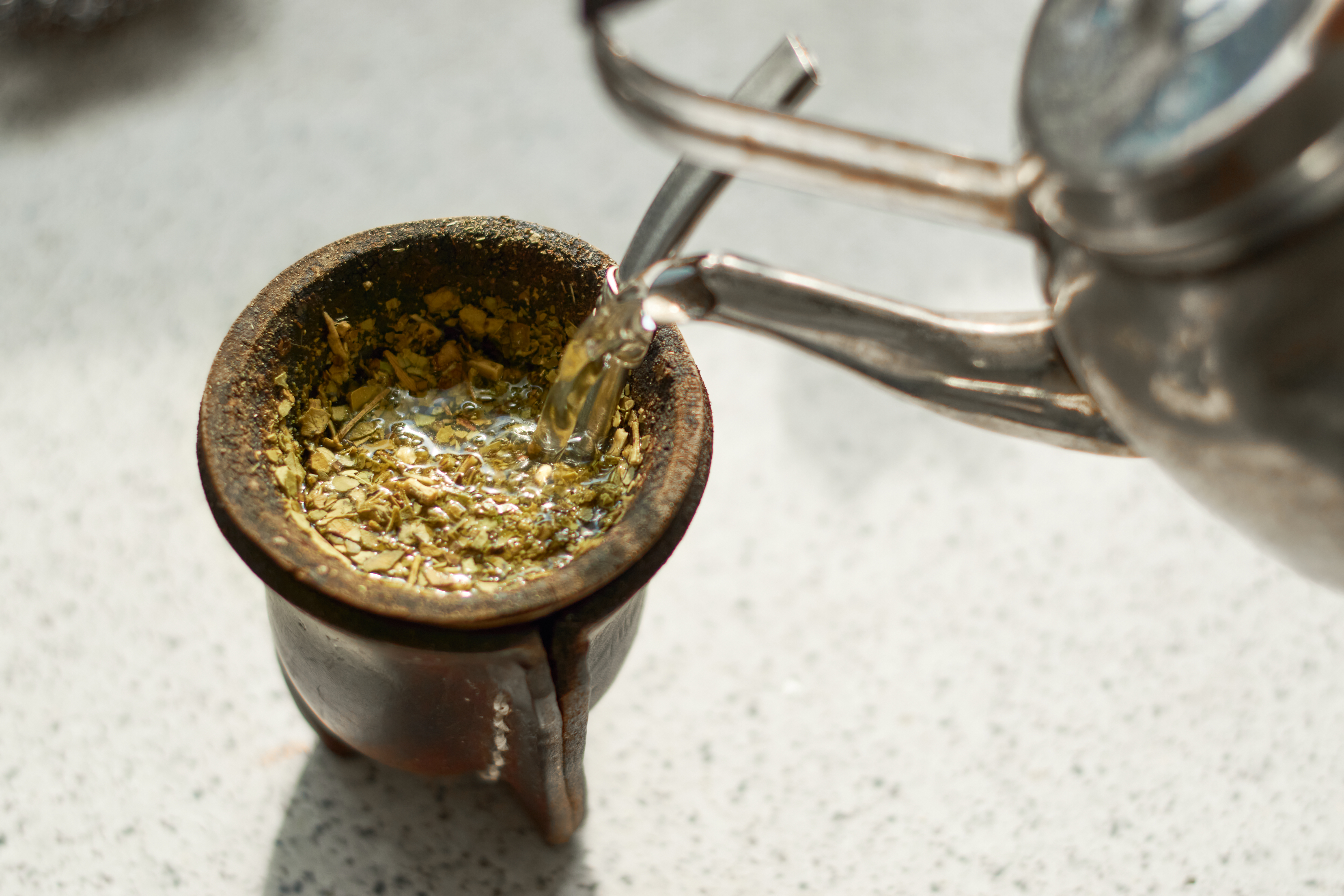
In Ayurveda, Netra (eye) health is considered closely associated with the balance of the Doshas, particularly Pitta and Rakta in inflammatory ocular conditions. Symptoms such as burning, redness and irritation may be interpreted within the framework of Pittaja Netra Vikara. Dietary and lifestyle measures classified as Netra Pathya are traditionally recommended to support ocular health. Saunf (Foeniculum vulgare) and Dhanyaka (Coriandrum sativum) are commonly used culinary herbs with traditional applications in conditions involving heat and burning sensations. Their use as an oral water-based preparation is of interest as a dietary practice, although its specific ocular benefits have not been clinically established.
Traditional rationale and proposed role
Ayurvedic dietary principles for Pitta-related conditions generally favour cooling and non-irritating foods while limiting excessively pungent, sour and salty items.¹
- Saunf (fennel): Traditionally valued for its digestive and cooling-associated properties, fennel is used in dietary preparations to support digestive comfort.
- Dhanyaka (coriander): Dhanyaka is traditionally associated with Daha (burning sensation), thirst and digestive disturbances.²
- Combined preparation: Infused water containing fennel and coriander may be considered a dietary preparation within Pitta-oriented dietary practices. However, this specific combination is not established as a classical treatment for ocular inflammation.
Clinical considerations and relevant applications
- Dietary support: Saunf and Dhanyaka water may be consumed as a dietary beverage when tolerated, but should not be regarded as a treatment for conjunctivitis, uveitis or other inflammatory eye disorders.
- Ocular pharmacology: Experimental research has investigated aqueous fennel seed extract for intraocular pressure reduction in animal models of glaucoma.³ These findings concern a specific experimental extract and do not establish benefits from drinking fennel water.
- Preparation safety: Homemade herbal water should not be applied directly to the eyes because it is not sterile and may introduce contaminants.
Evidence and research priorities
Reviews of traditional medicinal plants used in ophthalmology describe several Ayurvedic and other traditional applications while highlighting gaps in clinical validation.² Direct human studies evaluating oral Saunf and Dhanyaka water for Pitta-related eye symptoms are lacking. Research would need to distinguish oral dietary use from topical preparations and assess specific ocular outcomes.
Conclusion
Saunf and Dhanyaka have traditional dietary relevance in Pitta-oriented Ayurvedic practices. Their use as infused water may fit general dietary principles, but a specific role in treating Pitta-related eye disorders has not been demonstrated. Appropriate ophthalmic assessment remains essential when ocular redness, pain, photophobia or visual changes occur.
References
- Sharma R, et al. Role of Pathya-Apathya in Netra Swasthya (eye health): a review. Int Ayurvedic Med J. 2024;12(9):1700-1705. https://www.wisdomlib.org/uploads/journals/iamj/2024-issue-09-september/1700_1705.pdf
- Nafees S, Akhtar J, Kaur J. Indian traditional medicinal plants in ophthalmic diseases. Avicenna J Phytomed. 2022;12(6):566-575. doi:10.22038/AJP.2022.20345. https://pmc.ncbi.nlm.nih.gov/articles/PMC9768859/
- Agarwal R, Gupta SK, Agrawal SS, Srivastava S, Saxena R. Oculohypotensive effects of foeniculum vulgare in experimental models of glaucoma. Indian J Physiol Pharmacol. 2008;52(1):77-83. https://pubmed.ncbi.nlm.nih.gov/18831355/