
Introduction
Overview of Chyawanprash:
Chyawanprash (also known as Chyavanaprasha, Chyavanaprash, Chyavanaprasam, or Chyawanprash) is a classical Ayurvedic polyherbal formulation traditionally categorized under Rasayana Chikitsa (rejuvenative therapy).1 The term Chyawanprash is derived from two words: Chyawan, referring to the sage Chyawan as well as the concept of age-related degeneration, and Prasha, meaning a preparation intended for oral consumption. Thus, Chyawanprash is regarded as a rejuvenative formulation designed to counter degenerative changes and promote overall health and vitality.
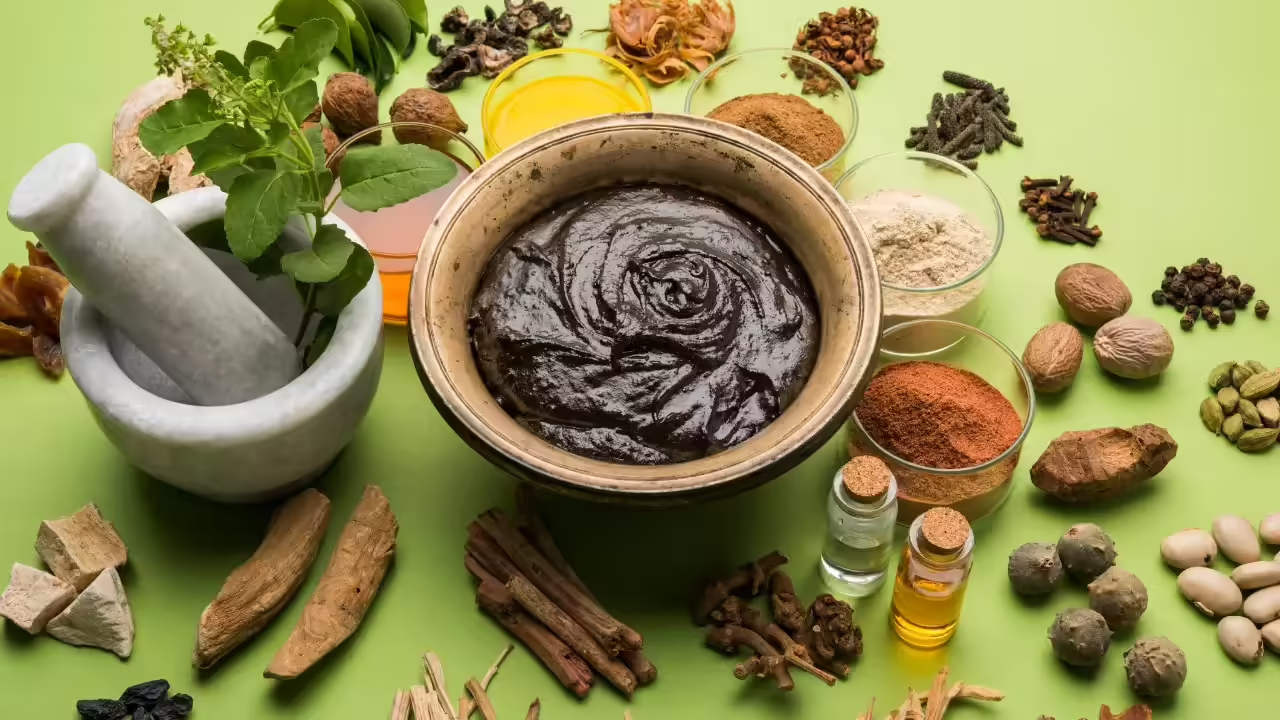
Chyawanprash is a nutrient-rich herbal electuary prepared according to traditional Ayurvedic principles using a combination of medicinal herbs, herbal extracts, and processed mineral ingredients. For centuries, it has been widely consumed as a health-promoting supplement and is recognized for its role in enhancing immunity, supporting longevity, and maintaining physiological homeostasis. Long before the advent of modern nutritional supplements, Chyawanprash was valued for its restorative, antioxidant, and anti-aging properties.
Chyawanprash as a Rasayana formulation:
Rasayana is a specialized branch of Ayurveda that focuses on rejuvenation, healthy aging, disease prevention, enhancement of vitality, and promotion of longevity. Among the numerous Rasayana formulations described in classical Ayurvedic literature, Chyawanprash is considered one of the most prominent and extensively utilized preparations.
Traditionally, Chyawanprash has been employed for preventive, promotive, and supportive healthcare purposes. Since its commercialization in the mid-twentieth century, it has become one of the most widely consumed Ayurvedic formulations and remains highly regarded for its broad spectrum of health benefits.
Role of Amla in Chyawanprash:
The principal ingredient of Chyawanprash is Amalaki or Amla (Phyllanthus emblica), which serves as the formulation's primary base material. In Ayurveda, Amalaki is considered one of the most potent Rasayana substances owing to its antioxidant, adaptogenic, and rejuvenative properties.
The formulation exhibits a complex sensory profile encompassing sweet, sour, bitter, pungent, and astringent tastes. Regular consumption is traditionally believed to support metabolic balance, maintain physiological functions, strengthen immunity, and promote systemic rejuvenation.
Origin and historical background
Mythological origin:
The origin of Chyawanprash is closely associated with the ancient legend of Sage Chyawan. According to descriptions found in classical Indian literature, including the Mahabharata and various Puranas, the divine physicians known as the Ashwini Kumaras formulated a specialized herbal preparation to restore the youthfulness, vitality, and physical strength of the aged sage.
Having spent many years in intense spiritual practices and austerities, Sage Chyawan reportedly became physically frail and debilitated. The rejuvenative formulation prepared for him successfully restored his vigor and vitality, leading to the preparation being named Chyawanprash in his honor.
Classical textual references:
The earliest documented description of Chyawanprash is found in the Charaka Samhita, one of the foundational texts of Ayurveda. The formulation is described as a superior Rasayana preparation with rejuvenative, restorative, and health-promoting properties. Subsequent references are also found in other classical Ayurvedic compendia, including the Ashtanga Hridaya and Sharangadhara Samhita, further establishing its importance within traditional Ayurvedic therapeutics.
Composition of Chyawanprash
General formulation characteristics:
Chyawanprash is a semisolid herbal formulation classified under the Ayurvedic dosage form known as Avaleha (herbal electuary or medicated jam). It is prepared through the synergistic combination of approximately 40–50 medicinal herbs, spices, and supportive ingredients, resulting in a nutritionally dense and pharmacologically complex preparation.
Major groups of ingredients:
Traditionally, the formulation incorporates ingredients belonging to four major herbal categories:
- Dashamoola group:
The Dashamoola group comprises ten medicinal roots widely used in Ayurveda for their anti-inflammatory, rejuvenative, and restorative properties.
- Chaturjata group:
The Chaturjata group consists of four aromatic herbs that contribute to the formulation’s flavor, digestibility, and therapeutic efficacy.
- Ashtavarga group:
The Ashtavarga group includes eight highly valued medicinal plants traditionally used for rejuvenation and vitality enhancement. Many of these herbs are currently rare or unavailable, and contemporary formulations often utilize accepted substitutes.
- General herbal ingredients:
This category includes numerous medicinal plants and supportive ingredients that contribute antioxidant, immunomodulatory, adaptogenic, digestive, and rejuvenative properties to the formulation.
Dominant ingredient: Amalaki
Amalaki (Phyllanthus emblica), commonly known as Indian gooseberry, constitutes the principal ingredient of Chyawanprash. Rich in vitamin C, polyphenols, tannins, and other bioactive compounds, Amalaki is recognized as one of the most important Rasayana herbs in Ayurveda. Its inclusion provides significant antioxidant activity and contributes substantially to the formulation's rejuvenative, immunomodulatory, and health-promoting effects.
Classical references
The formulation and preparation methodology of Chyawanprash are extensively described in classical Ayurvedic texts, including:
- Charaka Samhita
- Ashtanga Hridaya
- Sharangadhara Samhita
These texts provide detailed guidance regarding ingredient selection, processing techniques, therapeutic indications, and the Rasayana applications of Chyawanprash.
Ingredients of CP with their botanical identities and specific therapeutic roles2
|
Medicinal Plants/Special Additives |
Major Active Biomolecule |
Common Name |
Therapeutic Role |
|
Adhatoda vasica Nees |
Vasicine, Vasicine acetate, aasicinone, aasicoline, 2-acetyl benzyl amine and adhatodine |
Vasaka, Vasa, Arusa |
Antiulcer, bronchodilator, expectorant, anti-allergic, cholagogue, cardiovascular and respiratory disorders |
|
Aegle marmelos Correa |
Gallic acid, quercetin, and rutin |
Bael, Bel |
Antidiarrheal, gastroprotective, anti-ulcerative, radioprotective |
|
Aquilaria agallocha Roxb. |
Kusunol, jjinkohol, 10-epi-γ-eudesmol, vanillic acid, aquilarone derivatives and phenylethyl chromones |
Aguru, Akil |
Antiasthmatic, anti-inflammatory, analgesic, carminative, antimicrobial |
|
Bambusa arundinacea Willd |
Oxalic acid, resins, waxes, benzoic acid, taxiphyllin, diferuloyl arabinoxylanhexasaccharide and oligosaccharide |
Vanshalochana |
Stimulant, astringent, antiulcer, emmenagogue, aphrodisiac |
|
Boerhavia diffusa Linn. |
Flavonoids, alkaloids, glycosides, rotenoids, steroids, and triterpenoids |
Punarnawa, Gadahapuran, Gadahbindo |
Antiaging, antioxidant, antipyretic, diuretic, anti-inflammatory, hematinic |
|
Cinnamomum tamala Nees and Ebrrn. |
Essential oil, camphor, linalool, p-cymene, o-cymene, and 1,8-cineole, Jeolikote, (E)-cinnamaldehyde, (E)-cinnamyl acetate, (E)-innamaldehyde, 1,8-cineol, and eugenol |
Tejpat, Tejpatra |
Stimulant, antiulcer, antimicrobial, antidepressant, anticancer, digestive, hepatoprotective |
|
Cinnamomum zeylanicum Breyn |
α-bergamotene, α -copaene, α - humulene, δ-cadinene, tetradecanol and viridiflorene, Linalool, eugenol, β –caryophyllene, (E)-cinnamaldehyde, α -terpineol, (E)-cinnamyl acetate, (E)- caryophyllene, caryophyllene oxide, α –cadinol, tetradecanal and globulol |
Dalchini |
Hematinic, gastroprotective, antinociceptive, digestive, appetizer, hepatoprotective |
|
Curcuma zedoaria Rose. |
8,9-dehydro9-formyl-cycloisolongifolene, 6-ethenyl-4,5,6,7-tetrahydro-3,6-dimethyl-5-isopropenyl-trans-benzofuran, eucalyptol and γ-elemene |
Kachur, Ban haldi, narkachur |
Antidiarrheal, tonic, stimulant, useful in flatulence and dyspepsia |
|
Cyperus rotundus Linn. |
Amentoflavone, ginkgetin, isoginkgetin, sciadopitysin, Cyperene, Humulen and Selinene, Zierone, Campholenic Aldehyde, Pinene, Longiverbenone, Vatirenene, Copaene, Limonene, Terpineol, Azulene, Selinene, Myrtenol, Calacorene, Fokienol, Isogermacrene D, and Isolongifolene |
Nagarmotha, Mustak, Musta |
Stimulant, hepatoprotective, stomachic, diuretic, antispasmodic, carminative, emmenagogue, anti-inflammatory, antirheumatic |
|
Desmodium gangetium DC Pennel |
N-dimenthyltryltryptamine, Hypaphorine, hordenine, caudicine, Gangetin-3H, Gangetinin and desmodin |
Shalparni, Sarivan |
General debility, fatigue, neuroprotective, cardiovascular and respiratory disorders |
|
Elettaria cardamomum Maton |
1,8-cineole, α-terpinyl acetate, sabinene, 4-terpinen-4-ol, and myrcene |
Elaichi, Cardamom |
Stimulant, stomachic, tonic, appetizer, useful in nausea, heartburn and intestinal spasms |
|
Emblica officinalis Gaertn. |
Galic acid, ellagic acid, 1-O galloyl-beta-D-glucose, 3,6-di-O-galloyl- D-glucose, chebulinic acid, quercetin, chebulagic acid, corilagin, 1,6- di-O -galloyl beta-D-glucose, 3-Ethylgallic acid, and isostrictiniin |
Amalaki, Amla, Indian Gooseberry |
Immunomodulatory, rejuvenative, neuroprotective, hepatoprotective, antioxidant, cardiotonic, enhance general vitality, cognition and promotes longevity |
|
Gmelina arborea Roxb. |
(Z)-3-hexenol, 1-octen-3-ol, hexanol, heptacosane, pentacosane, 1-pentacosene, nonanal and (E)-2-decenal |
Gambhari, Gamhar, Kashmarya |
Promotes virility, strength and lactation |
|
Inula racemose Hook. |
Eudesmanolide, elemanolide, germacranolide, sesquicaranolide, guainolide, humulane, and heptadeca-1,8,11,14-tetraene |
Pushkarmul |
Antihistaminic, bronchodilator, cures cough, cold, asthma and flank pain. |
|
Leptadenia reticulata Wight and Am. |
α & β amyrin, ferulic acid, luteolin, diosmetin, rutin, β-sitosterol, stigmasterol, hentriacontanol, simiarenol, apigenin, reticulin, deniculatin, leptaculatin, lupanol 3-O diglucoside, leptidine 1, luteolin, and diosmtin |
Jivanti |
Stimulant, restorative, nutrient, anticancer, aphrodisiac, improves vision, immunity and life expectancy |
|
Martynia diandra Glox. |
Pelargonidin-3-5-diglucoside, cyanidin-3- galactoside, p-hydroxy benzoic acid, gentisic acid, arachidic acid, linoleic acid, palmitic acid, stearic acid, apigenin, apigenin-7-o-glucuronide |
Ulatkanta |
Hepatotonic, cholagogue, laxative, anorexia, indigestion, constipation |
|
Mesua ferrea Linn. |
Mesuaferrin A, mesuaferrin B, mesuaferrin C, caloxanthone C, macluraxanthone, 1,5-dihydroxyxanthone and tovopyrifolin C |
Nagakesar |
Antitoxic, cardiotonic, carminative, digestive, relieves urinary tract disorders, gout and swelling |
|
Nelumbium speciosum Willd. |
Liensinine, isoliensinine, neferine, nuciferine, Rutin, Hyperin, Demethylcocaluerine, Quercetin-3-O-β-D-glucuronide, (+)-1(R)-coclaurine, (−)-1(S)-norcoclaurine, Linalool, Luteolin glucoside, Dehydroanonaine, Anonaine, Armepavine, Asimilobine, Lirinidine, β-sitosterol, Liriodenine, Nornuciferine Quercetin, Dehydronuciferine, N Dehydroemerine, Isoquercitrin, methylcoclaurine, N-methylasimilobine, Roemerin, N-norarmepavine, N-methylisococlaurine, Kaempferol and derivatives |
Sahasrapatra, Neelkamal |
Nourishing, cardiotonic, calming, promotes strength and relieves bleeding disorders viz. epistaxis, hemoptysis, hematuria, and menorrhagia |
|
Oroxylum indicum Vent. |
Baicalein, biochanin a, 8, 8’ bis-baicalein, chrysin, ellagic acid, 6–hydroxy luteolin, oroxylin a, oroxoloside methyl ester, β-sitosterol, scuttellarien, ursolic acid, chrysin-7-ogentiobioside, baicalein-7-odiglucoside, scutellarein-7-o-glucopyranoside, aequinetin, chrysin-6-c-β-D-glucopyranosyl-8- c-α-l arabinopyranoside, pinocembrin, pinobanksin, lupeol, 2α-hydroxyl lupeol, echinulin, adenosine, and dimethyl sulfone |
Aralu, bhut-vriksha, Shyonak |
General weakness, hepatoprotective, antimicrobial, nephroprotective, cardiotonic |
|
Phaseolus trilobus |
α- pinene, carvone, pulgeone, dalbergioidin, kievitone, phaseollidin, flavonoid glycosides viz quercetin, kaempferol, vitexin, and isovitexin |
Mudagparni |
Tonic, aphrodisiac, mild sedative, antioxidant, promote strength, improves semen and sperm quantity |
|
Phyllanthus niruri Linn. |
Rutin, quercetin, gallocatechin, nirurin, nruriflavone, quercetol, astragalin, quercitrin, limonene, p-Cymene, lupeol, ellagic acid, gallic acid, elligitannin, hexahydroxyldiphenoyl moiety and methyl brevifolincarboxylate, phyllanthin, hypophyllanthin, niranthin, lintetralin, phyltetralin, nirtetralin, and isolintetralin |
Bhumyamalaki, Bhumi-awala |
Antioxidant, cholagogue, laxative, hepatoprotective, anticancer, antiviral |
|
Piper longum Linn. |
Carboxylic acids and derivatives, cinnamic acids and derivatives, isoflavonoids, napthalenes, oxanes, phenanthrenes and derivatives, phenol ethers, phenylpropanoic acids, pteridines and derivatives, pyridines and derivatives and steroid and its derivatives |
PippaIi |
Antitussive, stimulant, bronchodilator, tonic, bioavailability enhancer, carminative, relieves respiratory infections and hepatitis |
|
Pistacia integerrima Stewart-ex Brandis |
β-pinene, sabinene, α-pinene and limonene while terpinen-4-ol, α-terpinol, α-pinene, Pistacienoic acids, Hydroxydecanyl arachidate, Octadecan-9, 11-diol-7-one, β-Sitosterol, and Pisticialanstenoic acid |
Kakdasingi |
Bronchodilator, expectorant, carminative, antitussive, digestive, cholagogue |
|
Premna illtegrifolia Linn. |
p-methoxy cinnamic acid, linalool, linoleic acid, β-sitosterol, luteolin, iridoid glycoside, premnine, ganiarine, ganikarine, premnazole, aphelandrine, betulin, caryophellen, premnenol, premna spirodiene, and clerodendrin-A |
Arni, Agnimanth |
Laxative, antitussive, digestive |
|
Pterocarpus santalinus |
Santalin A, B, and Y, pterocarptriol, isopterocarpalone, pterocarpodiolones, β-eudesmol, cryptomeridiol, sesquiterpenes, β-sitosterol, lupeol, epicatechin, lignans, pterostilbenes, cinnamic acid, acetophenones, phenylacetic acid, lignans, coumarins, benzophenones, xanthones, 3-hydroxybenzoic acid, gentisic acid, α and β resorcylic acid, and vanillic acid |
Raktachandan |
Tonic, aphrodisiac, antipyretic, anti-hyperglycemic, diaphoretic anticancer, protective and antimicrobial effect on genitourinary and bronchial tract mucosa |
|
Sesamum indicum Linn. |
(+)-samin, (-)-asarinin, sesamol, (+)-sesamolin, (+)-sesamin, (+)-(7S,80R,8R)-acuminatolide, (-)-piperitol, and (+)-pinoresinol |
Tiltaila, Sesame oil |
Nutritive, demulcent, aphrodisiac, antioxidant, wound healing, radioprotective, anti-inflammatory |
|
Sida cordifolia Linn. |
Ephedrine, pseudoephedrine, sterculic, malvalic, coronaric acid, betaphenethylamine, hypaphorine, ecdysterone, indole alkaloids, palmitic, stearic and β–sitosterol |
Bala, Bariyara |
Cardiotonic, aphrodisiac, strength/vitality promoter |
|
Solanum indicum Linn. |
Indiosides A, B, C, D, F, Protodioscin, Carpesterol, Isoanguivine, Solanidine, Solasodine, Solamargine, Solavetivone, Solafuranone, Scopoletin, N-p-trans-Coumaroyltyramine, N-Trans-Feruloyltyramine, 7-Hydroxy-6,8-Dimethoxy-3-(40-Hydroxy-30-Methoxyphenyl)-Coumarin, Isofraxidin, Fraxetin, Indicumine A, B, C, D, F, Arteminorin, Cleosandrin, 4, 4’-biisofraxidin, β-Sitosterol, Daucosterol, Diosgenin, Lanosterol, Trilinolein, Oleodilinolin, and Palmitodilinolin |
Brihati, Barikateri, Vanbhanta |
Cardiotonic, astringent, carminative and digestive |
|
Solanum xanthocarpum Schrad. and Wendi. |
Lupeol, oleanolic acid, ursolic acid, β-sitosterol, campesterol, ergosterol, withanolide B |
Kantakaari, Chotikateri |
Mucolytic, expectorant, anti-allergic, bronchodilator and relieves flu |
|
Stereospermum suaveolens Prodr. |
Sterekunthal B, sterochenol A&B, lapachol, dehdro-a-lapachone, apigenin, scutellarein, sterolensin, dinatin, and dinatin-7-glucuroniside |
Paatla |
Tonic, digestive, cardiotonic, anti-inflammatory, blood purifier, antianemic |
|
Teramnus labialis Spreng. |
Vitexin, bergenin, daidzin and 3-O-methyl-D-chiro–inositol |
Mashaparni |
Improves vigor and virility, aphrodisiac, relieves debility and fatigue |
|
Terminalia chebula Retz. |
Chebulin, ellagic acid, 2,4-chebulyl-D-glucopyranose, arjunglucoside I, arjungenin, chebulinic acid, gallic acid, ethyl gallate, punicalagin, terflavin A, terchebin, luteolin and tannic acid |
Harad, Haritaki |
Neurotrophic, rejuvenative, carminative anthelmintic, nervine tonic, appetite stimulant |
|
Tinospora cordifolia |
Tinosporine, tinosporide, tinosporaside, cordifolide, cordifol, heptacosanol, clerodane furano diterpene, diterpenoid furano lactone, tinosporidine, columbin, b-sitosterol, Berberine, palmatine, tembertarine, magniflorine, choline and tinosporin |
Guduchi, Chinnodbhava |
General tonic, immunomodulator, cytoprotective, genoprotective, adaptogenic |
|
Tribulus terrestris Linn. |
Tigogenin, neotigogenin, gitogenin, neogitogenin, hecogenin, neohecogenin, diosgenin, chlorogenin, ruscogenin, sarsasapogenin, protodioscin protogracillin, kaempferol, kaempferol-3-glucoside, kaempferol-3-rutinoside, tribuloside, quercetin 3-O-glycoside, quercetin 3-O-rutinoside, and kaempferol 3-O-glycoside |
Gokhru, Gokshur |
Aphrodisiac, mood elevator, diuretic and cardiotonic |
|
Uraria picta Desv. |
5, 7-dihydroxy-2’-methoxy-3’, 4’- methylenedioxyisofla-vanone, and 4’, 5’-dihydroxy-2’, 3’-dimethoxy-7-(5-hydroxychromen-7yl)-isoflavan-one, isoflavanones, triterpenes and steroids |
Prishnaparni, Pithawan |
General weakness, nervine tonic, cardiovascular disorders |
|
Vitis vinifera Linn. |
Oleanolic and betulinic acids, stilbenoid, daucosterol, E-resveratrol, E-ε-viniferin, (-)-epicatechin, catechin, gallocatechin, 6′-O-acyldaucosterols, 1,2-di-O-acyl-3-O-β-D-galactopyranosyl glycerols, gallic acid, p-coumaric, caffeic and ferulic acids, anthocyanidin-3-O-glucosides, malvidin-3-O-glucoside, peonidin-3-O-glucoside and cyanidin-3-O-glucoside |
Draaksha, Munnakka |
Nutritive, aphrodisiac, cardiotonic, diuretic, demulcent, laxative, hepatoprotective, cures thirst and asthma |
|
Indian Cow Ghee |
Monounsaturated fats, conjugated linoleic acid, antioxidants, vitamins A, E, D, K, and beta carotene |
Go-ghrita |
Nutritive, antioxidant, strengthens the immunity, anticancer, improves overall physical and mental strength |
|
Natural honey (derived from honey bees) |
Phenolics (e.g., gallic, syringic, benzoic, transcinnamic, protocatechuic, p-coumaric, caffeic acids), Flavonoids (e.g., catechin, kaempferol, naringenin, luteolin, pinostrobin, apigenin), fructose, oligosaccharides (palatinose, isomaltose and alpha-cyclodextrin), carotenoids, cholines, kynurenic acid, enzymes (glucose oxidase, diastase, invertase, phosphatase, catalase peroxidase), vitamins (B1, B2, B3, B5, B6, B9, C, phyllochinon), minerals/trace elements (Na, Ca, K, Fe, Mg, P, Zn, Cu, Cr, Mn, S, B, Se, Mo, Co, F, I, Si) |
Madhu |
Anti-infective, immunomodulator, wound healing, antioxidant, antiaging, relieves cough and cold, antiseptic, sore throat, antiulcer |
|
Sugar candy |
Disaccharides (sucrose) |
Sharkara |
Sweetener, provides calories/energy |
|
Asparagus racemosus Willd |
Shatvarin I to VI, oligospirostanoside, aspargamine A, dihydrophenantherene, racemofuran, quercitin, rutin, hyperoside, sitosterol, 4, 6-dihydryxy-2-O (-2-hydroxy isobutyl) benzaldehyde, undecanyl cetanoate, sarsapogenin, γ-linoleinic acids, diosgenin, and quercetin 3-glucourbnides |
Shatavari, Shatavar |
Aphrodisiac, nutritive, galactogogue, tonic, antiulcer, antioxidant, good for eyes |
|
Dioscorea bulbifera Linn. |
Dioscoreanoside A-K, diosbulbisin A-D, diosbulbisides A-C, diosgenin, sinodiosgenin, diosbulbin A-P, 8-epidiosbulbin E acetate, Bafoudiosbulbin A-G, quercetin-3-O-β-dglucopyranoside, neoxanthin, β-sitosterol, catechin, vanillic acid, isovanillic acid and glycoside derivatives |
Varahikand, Varahi |
Aphrodisiac, antiulcer, tonic, promotes vigor and strength |
|
Ipomoea digitata Linn. |
Taraxerol, taraxerol acetate, N-butyl-β-Dfructopyranoside, octadecyl (E)-p-coumarate, umbelliferone, scopoletin, scopolin, scoparone, scopoletin and taraxerol |
Vidaarikand |
Aphrodisiac, antioxidant, galactogogue, nervine tonic, relieves debility and spermatorrhea |
|
Withania somnifera Dunal |
Cuscohygrine, anahygrine, tropine, pseudotropine, anaferine, isopelletierine, withananine, withananinine, pseudo-withanine, somnine, somniferine, somniferinine, withanine, withasomnine, visamine, chlorogenic acid, and withaferin A |
Ashwagandha, Asgandh |
Aphrodisiac, adaptogenic, antioxidant, cytoprotective, neuroprotective, nootropic, antistress, promotes strength |
|
Special Additives |
|||
|
Abhraka Bhasma |
Ayurvedic nanosized mineral preparation of incinerated biotite mica, Nature of compound: multimineral cocktail |
Abhraka Bhasma |
General debility, aphrodisiac. cardiotonic, cellular regenerator, useful in digestive impairment, malabsorption syndrome, asthma and cough |
|
Shukti Bhasma |
Ayurvedic nanosized mineral preparation of calcined Pearl oyster, Nature of compound: Calcium Carbonate |
Shukti Bhasma |
Antacid, antiarrhythmic, antihistaminic calcium supplement, neurotrophic, cardiotonic and promotes bone strength |
|
Shringa Bhasma |
Ayurvedic nanosized preparation of calcined Deer horn, Nature of compound: Calcium Phosphate |
Shringa Bhasma |
Expectorant, effective in pleurisy, pneumonia, tuberculosis, productive cough |
|
Siddha Makardhawaja |
Ayurvedic metallo-mineral preparation having purified and processed gold, mercury and sulphur in 1:8:24 ratio, Nature of compound: HgS (with nanotraces of gold) |
Makardhawaja |
Antiaging, aphrodisiac, cardiovascular tonic, help to cure male impotency, erectile dysfunction, premature ejaculation |
|
Eugenia caryophyllus Linn. |
Acetyl eugenol, β-caryophyllene, vanillin, crategolic acid, bicornin, methyl salicylate, gallotannic acid, seugenin, rhamnetin, kaempferol, eugenitin, triterpenoids, oleanolic acid, campesterol, stigmasterol, sesquiterpenes, etc. |
Loung, Clove |
Antiseptic, antimicrobial, aromatic, stimulant and anti-inflammator |
Mode of administration
Chyawanprash is suitable for use across all age groups and seasons, as its constituent herbs are traditionally considered to mitigate the adverse physiological effects of extreme climatic conditions and environmental stressors. The dosage should be administered in a quantity that does not suppress natural hunger or interfere with normal appetite regulation. The commonly recommended dose is 12–28 g, preferably taken in the morning on an empty stomach, along with 100–250 mL of milk.
In individuals with asthma or other respiratory disorders, the concomitant use of milk or curd is generally avoided due to potential aggravation of symptoms. In such cases, Chyawanprash may be administered with lukewarm water as an alternative vehicle. It is further advised to consume the formulation within one year of manufacture, as evidence suggests that prolonged storage may lead to chemical degradation and a consequent reduction in its therapeutic efficacy.
Health benefits
Ancient claims and contemporary scientific evidence:
Chyawanprash is described in classical Ayurveda texts as a Rasayana with rejuvenating, immunomodulatory, and anti-aging properties. It is traditionally indicated for respiratory conditions such as cough and asthma, and for enhancing vitality, cognitive function, immunity, digestive efficiency, sensory performance, and reproductive health. It is also believed to support tissue nourishment and maintain doshic balance (Vata, Pitta, Kapha).
Contemporary research broadly supports these claims, suggesting that its polyherbal composition may exert systemic effects through antioxidant, anti-inflammatory, metabolic, and immunomodulatory pathways. However, mechanistic validation remains partially incomplete due to complexity of formulation and phytochemical interactions.
Digestive and metabolic effects:
Chyawanprash is reported to improve appetite regulation, digestion, and elimination, and may help alleviate dyspepsia, hyperacidity, flatulence, and gastrointestinal discomfort. Experimental evidence suggests hepatoprotective and nephroprotective potential, along with beneficial effects on lipid and protein metabolism. Its polyherbal constituents collectively support detoxification and metabolic homeostasis.
Respiratory system protection:
Regular use is associated with improved respiratory function and resistance to infections. It is traditionally used in cough, bronchitis, asthma, allergic rhinitis, and tuberculosis as an adjunct therapy. Clinical studies suggest improved symptom control, enhanced pulmonary function, and supportive effects when used alongside standard antitubercular treatment.
Antioxidant, adaptogenic, and immunomodulatory effects:
Chyawanprash exhibits strong antioxidant activity attributed to polyphenols, flavonoids, and vitamin C-rich Amla. It demonstrates free radical scavenging, cytoprotective, and neuroprotective properties. Experimental studies indicate immunomodulatory effects including enhanced NK cell activity, cytokine modulation, and reduced IgE-mediated responses. Clinical evidence also suggests improved immunity, energy levels, and quality of life in both adults and children.
Nootropic and neuroprotective potential:
Chyawanprash supports cognitive functions including memory, attention, learning, and recall. It exhibits anxiolytic and mild antidepressant effects, with evidence suggesting procholinergic and anti-amnesic activity. Clinical studies report improvements in cognitive performance and reduced depressive symptoms in controlled settings.
Cardiovascular benefits:
It is reported to support cardiovascular function by improving lipid metabolism, vascular health, and antioxidant status. Constituents such as Amla and Punarnava demonstrate antiatherogenic, antihypertensive, and cardioprotective effects in experimental studies, including improvement of oxidative stress markers in cardiac tissue.
Reproductive and endocrine effects:
Chyawanprash is traditionally regarded as an aphrodisiac and endocrine tonic. It may improve reproductive function in both sexes by enhancing sperm parameters, hormonal balance, and sexual performance. Ingredients such as Ashwagandha and Shatavari have demonstrated improvements in testosterone levels, sperm quality, and reproductive behavior in experimental and clinical studies.
Radioprotective, genoprotective, and anticarcinogenic effects:
Experimental studies indicate radioprotective effects against gamma radiation and reduction in chromosomal damage and mutagen-induced abnormalities. It also demonstrates antioxidant-mediated cytoprotection and potential adjunct benefits in reducing treatment-related toxicity in cancer therapies.
Effects on lipid profile and glycaemic regulation:
Despite its sugar content, studies suggest Chyawanprash may improve lipid profiles by reducing total cholesterol, LDL, and triglycerides while increasing HDL. Clinical evidence indicates glycaemic neutrality in controlled diabetic patients, supporting its safety as an adjunct nutraceutical under medical supervision.
General preventive and promotive health effects:
Chyawanprash supports musculoskeletal strength, growth, and tissue regeneration. It may enhance skin health, delay photoaging, and improve hair quality. Additional reported effects include antimicrobial activity, improved wound healing, and general enhancement of vitality, immunity, and overall physiological resilience.
Conclusion
Natural health products with medicinal relevance are increasingly being explored in clinical research due to their potential safety advantages, reduced adverse effects, and cost-effectiveness compared to synthetic nutraceuticals. Among these, Chyawanprash (CP) holds significant therapeutic and commercial value.
This review highlights traditional therapeutic claims of CP alongside available scientific evidence supporting its preventive, promotive, and therapeutic potential, suggesting a broad spectrum of biological activities. However, current evidence remains limited by a lack of robust mechanistic studies and well-designed clinical trials. Further research is required to elucidate the pharmacological actions of its bioactive constituents, including their synergistic and antagonistic interactions.
Such investigations may also help standardize and optimize commercial formulations, as adherence to traditional recipes alone may not ensure consistent clinical efficacy without scientific validation. Despite these limitations, existing evidence provides a foundation for future research and potential clinical application.
Overall, CP may be regarded as a multifunctional Ayurvedic nutraceutical with immunomodulatory and revitalizing properties, supporting general health across age groups, while warranting further scientific validation for evidence-based integration into modern therapeutics.
References:
- Kupkar M, Kusarkar P, Dudhgaonkar T. A Study on Formulation and Evaluation of Herbal Chyawanprash Chocolate. Research Journal of Pharmaceutical Dosage Forms and Technology. 2022 Apr 1;14(2):123-6. https://rjpdft.com/HTML_Papers/Research%20Journal%20of%20Pharmaceutical%20Dosage%20Forms%20and%20Technology__PID__2022-14-2-4.html
- Sharma R, Martins N, Kuca K, et al. Chyawanprash: A Traditional Indian Bioactive Health Supplement. Biomolecules. 2019;9(5):161. Published 2019 Apr 26. doi:10.3390/biom9050161. https://pmc.ncbi.nlm.nih.gov/articles/PMC6571565/