Introduction
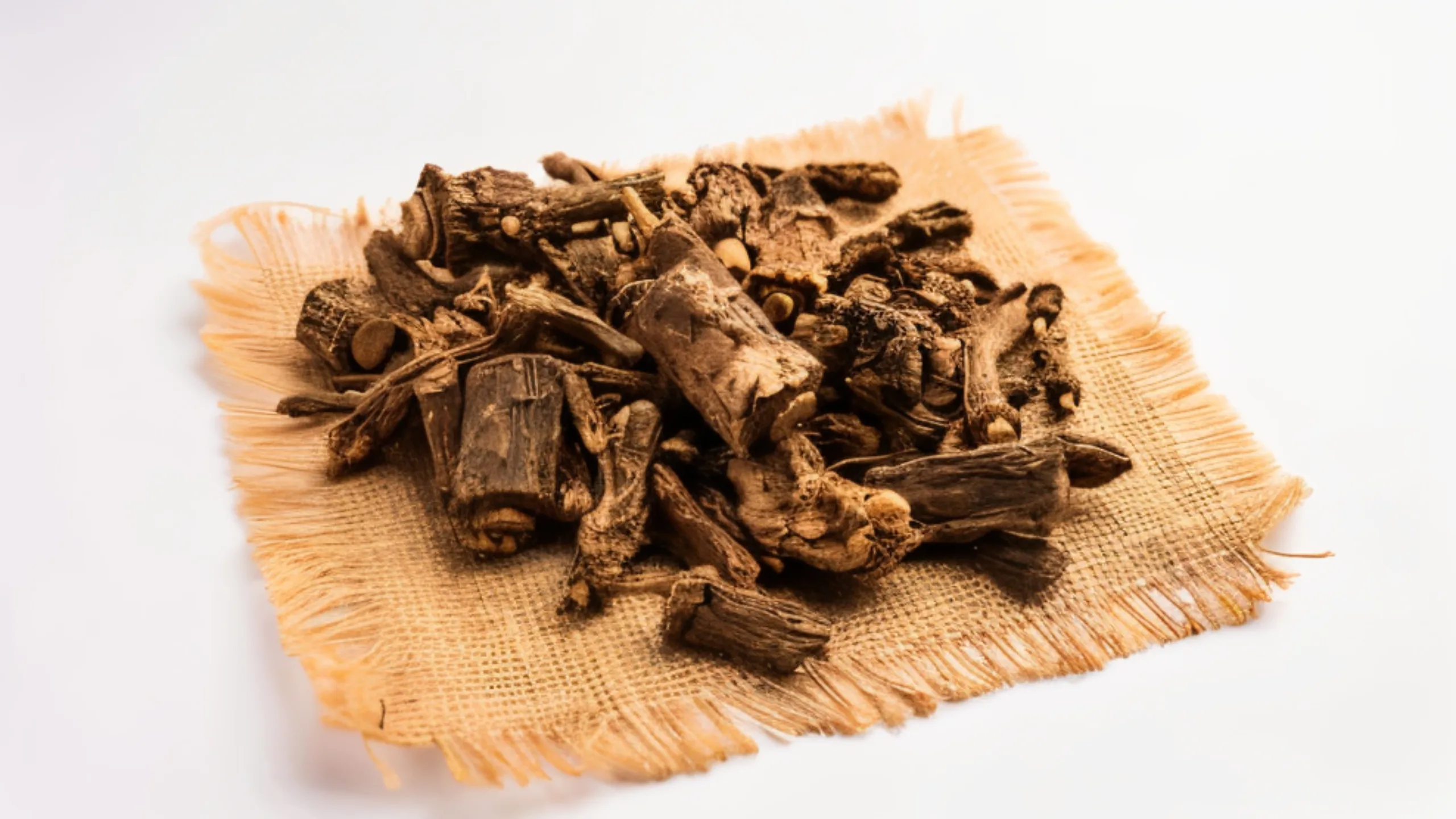
Polycystic Ovary Syndrome (PCOS) is one of the most prevalent endocrine disorders affecting women of reproductive age and is characterized by menstrual irregularities, hyperandrogenism, chronic anovulation, and metabolic dysfunction. Menstrual disturbances such as oligomenorrhea, amenorrhea, and dysfunctional uterine bleeding significantly affect reproductive health, fertility, and quality of life. PCOS affects approximately 8–13% of women worldwide and is commonly associated with obesity, insulin resistance, acne, hirsutism, and subfertility. While conventional management primarily focuses on hormonal regulation and symptom control, long-term treatment remains challenging due to the multifactorial nature of the disorder. Ayurveda correlates many clinical features of PCOS with Kapha and Vata imbalance, impaired Artava Dhatu, and Srotorodha (obstruction of body channels), emphasizing correction of the underlying pathology through dietary regulation, lifestyle modification, and herbal interventions. Lodhra (Symplocos racemosa) is a classical Ayurvedic herb widely used in gynecological practice because of its Stambhana, Lekhana, and Yonidoshahara properties. Traditionally administered in formulations such as Lodhra Churna and various polyherbal preparations, it is valued for regulating menstrual cycles, reducing excessive uterine bleeding, and supporting overall reproductive health. Modern pharmacological studies have demonstrated anti-inflammatory, antioxidant, anti-androgenic, insulin-sensitizing, and metabolic regulatory activities that may contribute to its therapeutic potential in PCOS. These properties support its traditional use as an important herbal agent for menstrual regulation, hormonal balance, and reproductive wellness in women with PCOS.1
Ayurvedic perspective
Lodhra is characterized by:
- Kashaya Rasa (astringent taste)
- Laghu and Ruksha Guna (light and dry qualities)
- Sheeta Virya (cool potency)
- Katu Vipaka
- Kapha-Pitta Shamaka action
- Stambhana (controls excessive discharge and bleeding)
- Lekhana (scraping and metabolic-correcting action)
- Yonidoshahara (beneficial in gynecological disorders)
These properties make Lodhra particularly useful in menstrual abnormalities associated with Kapha predominance and reproductive dysfunction.
Phytochemical constituents
Major bioactive compounds include:
- Symplocoside
- Loturine
- Colloturine
- Flavonoids
- Tannins
- Glycosides
- Phenolic compounds
These constituents contribute to its antioxidant, anti-inflammatory, and reproductive health-promoting activities.
Mechanisms in PCOS and menstrual irregularities
Menstrual cycle regulation:
Lodhra is traditionally used to normalize menstrual flow and support healthy ovulatory function. Its regulatory effect on reproductive tissues may help improve menstrual regularity in women with PCOS.
Anti-androgenic potential:
Hyperandrogenism is a hallmark feature of PCOS. Experimental evidence suggests that certain phytoconstituents of Lodhra may contribute to hormonal balance and reduction of androgen-related manifestations.
Anti-inflammatory activity:
Low-grade chronic inflammation is commonly observed in PCOS. Lodhra contains flavonoids and phenolic compounds that suppress inflammatory mediators and support reproductive tissue health.
Antioxidant effects:
Oxidative stress contributes to ovarian dysfunction and metabolic disturbances in PCOS. Antioxidant constituents of Lodhra help protect ovarian tissues from oxidative damage.
Metabolic regulation:
The Lekhana property described in Ayurveda may correlate with the herb’s potential role in supporting healthy metabolism and reducing factors associated with insulin resistance and obesity.
Clinical applications
Polycystic ovary syndrome (PCOS):
Lodhra is frequently included in Ayurvedic formulations aimed at improving menstrual regularity, ovulation, and reproductive health in women with PCOS.
Oligomenorrhea and amenorrhea:
Its menstrual-regulating actions make it useful in managing delayed or infrequent menstrual cycles.
Dysfunctional uterine bleeding:
Lodhra’s astringent and hemostatic properties help reduce excessive menstrual bleeding and improve endometrial stability.
Leucorrhea and gynecological disorders:
Traditional Ayurvedic practice employs Lodhra in abnormal vaginal discharge and other reproductive tract disorders.
Common ayurvedic formulations
- Lodhra Churna
- Pushyanuga Churna
- Lodhrasava
- Ashoka–Lodhra combinations
- Polyherbal formulations for PCOS and menstrual health
Conclusion
Lodhra (Symplocos racemosa) is a valuable Ayurvedic herb with significant potential in the management of PCOS and menstrual irregularities.2 Its traditional use as a Yonidoshahara and menstrual regulator is supported by modern evidence demonstrating anti-inflammatory, antioxidant, hormonal-modulating, and metabolic-supportive properties. Through its multifaceted actions, Lodhra may help improve menstrual regularity, support reproductive health, and address key pathophysiological factors associated with PCOS. Further clinical trials are warranted to establish standardized protocols and strengthen the evidence base for its therapeutic application.
Reference:
- Lee J, An S, Kim YW, Choi Y, Kim DY, Kim MH. Comparative advantage and efficacy of natural products for polycystic ovary syndrome. J Ovarian Res. 2025;18(1):178. Published 2025 Aug 9. doi:10.1186/s13048-025-01756-6 https://pmc.ncbi.nlm.nih.gov/articles/PMC12335035/
- Dashti S, Ashouri A, Bahri N. Herbal compounds in the treatment of polycystic ovary syndrome: an updated systematic review. J Ovarian Res. 2026;19(1):132. Published 2026 Feb 27. doi:10.1186/s13048-026-02030-z https://pmc.ncbi.nlm.nih.gov/articles/PMC13041406/