
Introduction
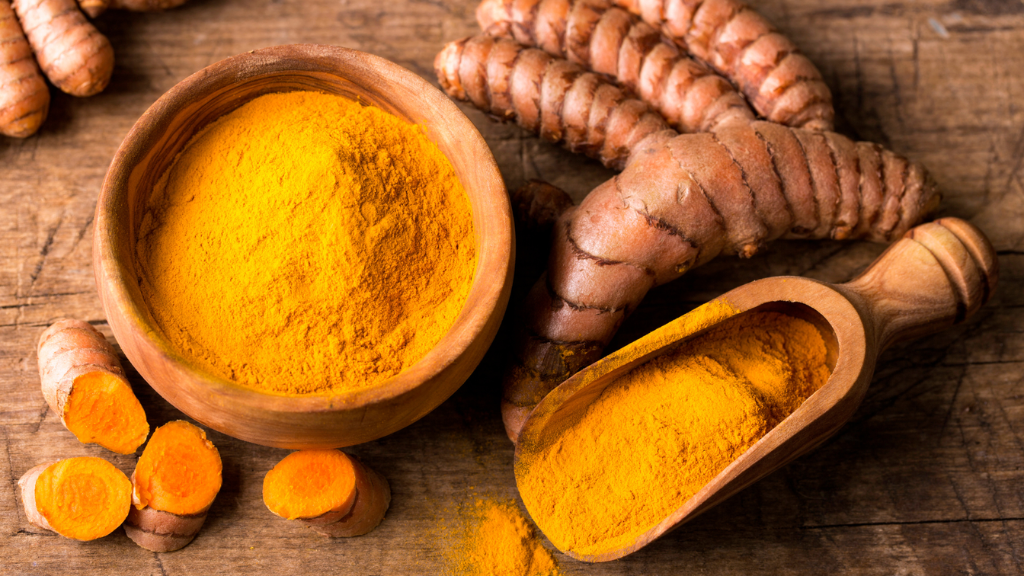
Haridra (Curcuma longa Linn.), commonly known as turmeric, is one of the most important medicinal plants described in Ayurveda for wound management. It is classified as a potent Vrana Ropaka (wound healing), Shothahara (anti-inflammatory), and Krimighna (antimicrobial) herb. Traditionally, Haridra has been used in both internal and external formulations for acute wounds, chronic ulcers, infected lesions, and postoperative wound care. The therapeutic value of Haridra is mainly attributed to curcumin and other curcuminoids, which exhibit multiple biological activities relevant to tissue repair and infection control.1
Pharmacological basis of vrana ropaka activity
Anti-inflammatory action:
Curcumin modulates key inflammatory pathways, including NF-κB, COX-2, TNF-α, and interleukins. By suppressing excessive inflammation, Haridra reduces pain, swelling, and tissue damage at the wound site. This helps in faster transition from the inflammatory phase to the proliferative phase of healing.
Antimicrobial activity:
Haridra demonstrates broad-spectrum antimicrobial activity against bacteria, fungi, and certain viruses. Curcumin disrupts microbial cell membranes, inhibits bacterial growth, and prevents biofilm formation. This is particularly beneficial in infected wounds and chronic non-healing ulcers where microbial load delays healing.
Antioxidant effect:
Oxidative stress is a major factor responsible for delayed wound healing. Curcumin scavenges reactive oxygen species (ROS) and enhances endogenous antioxidant enzymes such as superoxide dismutase and catalase. This protects tissues from oxidative injury and supports cellular regeneration.
Promotion of collagen synthesis and fibroblast activity:
Haridra enhances fibroblast proliferation and collagen deposition, which are essential for granulation tissue formation. Increased collagen strengthens the wound matrix and accelerates wound contraction, leading to improved healing outcomes.
Angiogenesis and epithelialization:
Curcumin promotes formation of new blood vessels and enhances epithelial cell migration. This improves oxygen and nutrient delivery to the wound site and supports faster re-epithelialization.
Clinical applications in wound healing
Acute wounds:
Haridra is used topically in fresh wounds to prevent infection, reduce inflammation, and accelerate early healing phases.2
Chronic non-healing ulcers:
In chronic wounds such as diabetic ulcers, Haridra improves granulation tissue formation, reduces microbial load, and enhances tissue regeneration, thereby promoting sustained healing.
Surgical and postoperative wounds:
Haridra is widely used in postoperative care due to its antiseptic and anti-inflammatory effects, which reduce the risk of infection and promote faster recovery.
Skin and soft tissue infections:
It is also effective in managing infected skin conditions due to its Krimighna property, helping control microbial growth and inflammation.
Role in ayurvedic para surgical procedures:
In Ksharasutra therapy for fistula-in-ano, Haridra is applied as the outer coating of the medicated thread. It plays a crucial role in preventing secondary infection and enhancing wound healing after gradual tract cutting.
Mechanism of vrana ropana action
Haridra promotes wound healing through multiple coordinated mechanisms:
- Suppression of inflammatory mediators
- Inhibition of microbial growth and biofilm formation
- Reduction of oxidative stress
- Stimulation of fibroblast proliferation
- Enhancement of collagen synthesis
- Promotion of angiogenesis and epithelialization
These combined actions ensure efficient wound contraction, improved tissue strength, and reduced recurrence of infection.
Conclusion
Haridra (Curcuma longa) is a scientifically validated Vrana Ropaka herb with significant antimicrobial, anti-inflammatory, antioxidant, and wound-healing properties. Its active constituent curcumin plays a central role in regulating inflammation, enhancing collagen synthesis, and promoting tissue regeneration. The integration of classical Ayurvedic knowledge with modern pharmacological evidence confirms Haridra as a highly effective and safe therapeutic agent in wound management, applicable to both acute and chronic wound conditions as well as surgical and para-surgical care.3
Reference:
- Kumari A, Raina N, Wahi A, et al. Wound-Healing Effects of Curcumin and Its Nanoformulations: A Comprehensive Review. Pharmaceutics. 2022;14(11):2288. Published 2022 Oct 25. doi:10.3390/pharmaceutics14112288 https://pmc.ncbi.nlm.nih.gov/articles/PMC9698633/
- Tejada S, Manayi A, Daglia M, Nabavi SF, Sureda A, Hajheydari Z, Gortzi O, Pazoki-Toroudi H, Nabavi SM. Wound Healing Effects of Curcumin: A Short Review. Curr Pharm Biotechnol. 2016;17(11):1002-7. doi: 10.2174/1389201017666160721123109. PMID: 27640646. https://pubmed.ncbi.nlm.nih.gov/27640646/
- Islam MZ, Akter J, Hossain MA, et al. Anti-Inflammatory, Wound Healing, and Anti-Diabetic Effects of Pure Active Compounds Present in the Ryudai Gold Variety of Curcuma longa. Molecules. 2024;29(12):2795. Published 2024 Jun 12. doi:10.3390/molecules29122795 https://pmc.ncbi.nlm.nih.gov/articles/PMC11206846/