
Pharyngeal irritation commonly presents as throat dryness, scratchiness, burning, pain during swallowing or a persistent urge to clear the throat. It may occur due to viral infections, environmental pollutants, allergies, vocal strain, dehydration or gastro-oesophageal reflux. These triggers can produce mucosal inflammation and stimulate sensory nerve endings, contributing to discomfort and cough. Although many acute episodes resolve spontaneously, persistent or recurrent symptoms require evaluation to identify the underlying cause.
Yashtimadhu Vati, an Ayurvedic preparation associated with Yashtimadhu (Glycyrrhiza glabra L.), is traditionally used to soothe throat discomfort. Its potential benefits are biologically plausible, but evidence specifically evaluating the Vati formulation remains limited.
Yashtimadhu: Traditional use and bioactive constituents
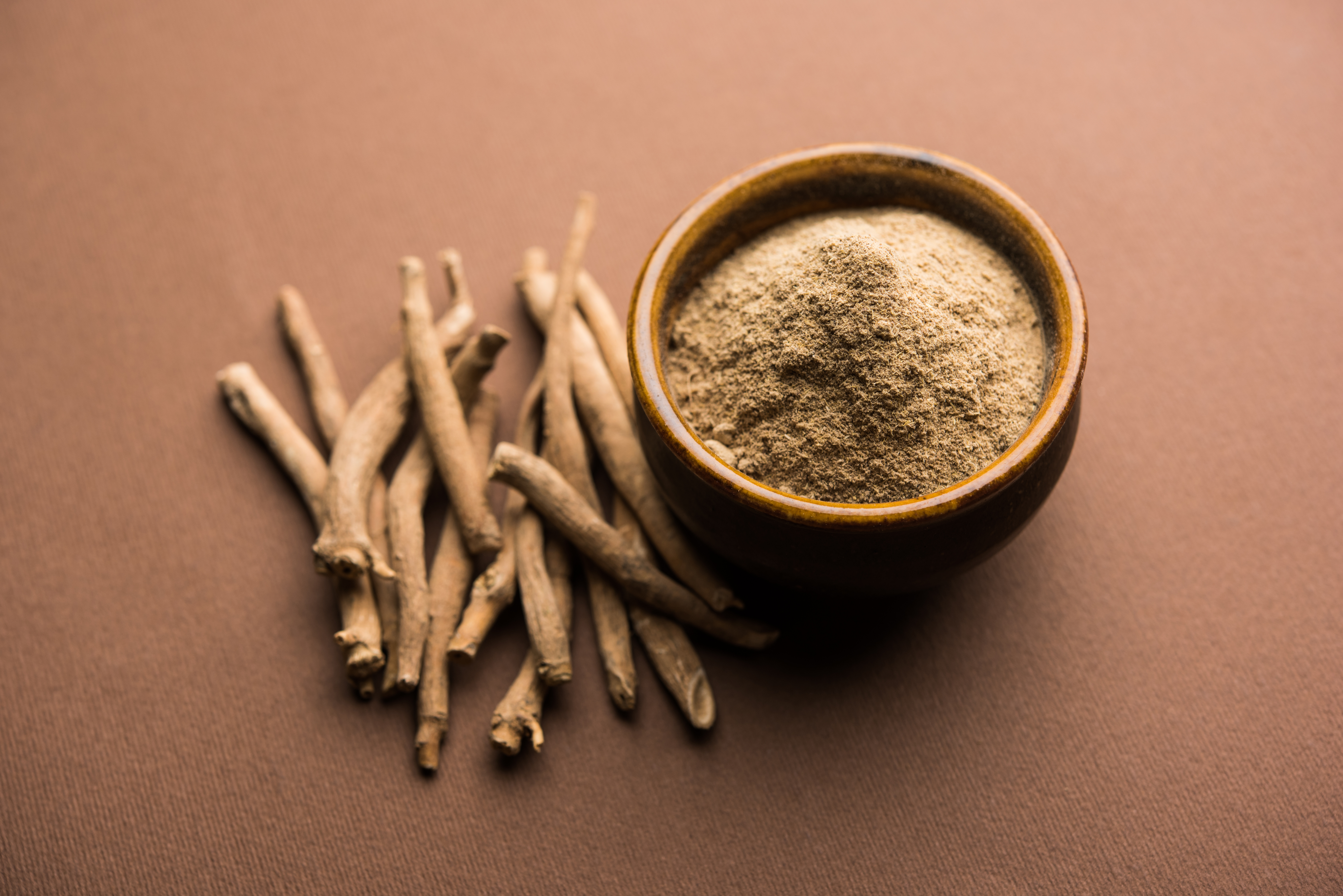
In Ayurveda, Yashtimadhu is described as Kanthya, indicating its traditional association with throat health.1 The root contains several bioactive constituents, particularly glycyrrhizin (also called glycyrrhizic acid), liquiritin and other flavonoids. Experimental research has investigated these compounds for anti-inflammatory, antioxidant and other biological activities. Glycyrrhizin and flavonoids may influence inflammatory signalling and oxidative processes,2 providing a rationale for investigating licorice in conditions involving irritated mucosal surfaces. However, the composition of Yashtimadhu Vati can vary according to the manufacturer, preparation method and additional ingredients. Evidence from licorice extracts or isolated compounds cannot automatically establish the efficacy of every Vati product.
Potential mechanisms of throat soothing
Yashtimadhu may help relieve pharyngeal irritation through several proposed mechanisms. Its demulcent properties may support temporary soothing of irritated mucosal surfaces, while anti-inflammatory effects observed in experimental studies could be relevant to local tissue irritation. Glycyrrhizin and flavonoids have been investigated for their influence on inflammatory mediators and oxidative stress. These findings provide a scientific rationale for further study; however, the extent to which these mechanisms operate after taking Yashtimadhu Vati orally is not yet clearly established. The formulation's route of administration, dissolution and contact time with the throat may also influence its effects.
What does recent clinical research show?
A 2024 randomised controlled trial evaluated botanical lozenges containing several plant extracts, including Glycyrrhiza uralensis, in 103 patients with chronic pharyngitis. After 15 days, the botanical-lozenge group showed significantly greater improvements in overall pharyngeal symptom and sign scores than the placebo group. Improvements were also reported in throat dryness and itching.3 However, the product contained multiple botanical ingredients, so the findings cannot establish the independent contribution of licorice or be directly extrapolated to Yashtimadhu Vati.
Evidence from other licorice-based formulations is mixed. In a 2022 multicentre randomised trial, Kikyo-to—a preparation containing licorice and Platycodon root extracts—did not reduce acute upper respiratory infection-associated sore-throat pain significantly more than placebo. These findings highlight the importance of evaluating each formulation and clinical indication separately. Robust clinical trials specifically assessing Yashtimadhu Vati for pharyngeal irritation remain necessary.
Safety and clinical considerations
Excessive or prolonged exposure to glycyrrhizin may cause sodium retention, hypertension, potassium depletion and fluid-related complications. Caution is particularly important for people with hypertension, cardiovascular or kidney disorders, and those taking medicines that affect blood pressure or potassium levels. Product composition and dosage also vary. Persistent throat irritation, difficulty swallowing or breathing, high fever, or symptoms that worsen should prompt medical evaluation.
Conclusion
Yashtimadhu Vati has a traditional rationale for soothing throat discomfort, supported by preliminary pharmacological evidence on licorice's demulcent and anti-inflammatory properties. Recent research on multi-herb lozenges offers encouraging but indirect evidence, while trials of other licorice-based preparations show that benefits are not consistent across formulations. Further well-designed studies are needed to establish the efficacy, optimal dosage and safety of Yashtimadhu Vati specifically for pharyngeal irritation.
References:
- Saini ST, Arora SA. Yashtimadhu (Glycyrrhiza glabra L.) in pediatric upper respiratory tract disorders: a narrative review of classical rationale, pharmacology and clinical evidence. Int J AYUSH. 2026;15(10). doi:10.5281/zenodo.23402580. https://internationaljournal.org.in/journal/index.php/ijayush/article/view/2584
- Yu J, Qu H, Xu W, Fang Y, Wang N, Shi W. Mechanisms and therapeutic potential of glycyrrhizic acid: Insights into key signaling pathways and disease modulation (Review). Mol Med Rep. 2026;33(5):126. doi:10.3892/mmr.2026.13836. https://pmc.ncbi.nlm.nih.gov/articles/PMC12994132/
- Wu Y, Zhang F, Kuang D, et al. Efficacy of botanical lozenges in the treatment of chronic pharyngitis: a randomized controlled trial. Front Pharmacol. 2024;15:1162883. Published 2024 Mar 14. doi:10.3389/fphar.2024.1162883. https://pmc.ncbi.nlm.nih.gov/articles/PMC10973001/