
Introduction
Musculoskeletal disorders represent one of the most commonly self-reported health conditions in the community, significantly affecting quality of life and placing a substantial economic burden on healthcare systems. The prevalence varies with climatic conditions and geographic regions, with increased incidence associated with advancing age and female sex. Arthritis alone affects approximately 15% of the population in India, accounting for over 180 million individuals, and exceeds the burden of several major chronic diseases.
From an Ayurvedic perspective, degenerative joint conditions such as Sandhigata vata are strongly associated with age-related vitiation of Vata dosha, where its ruksha (dry) and khara (rough) qualities contribute to progressive degeneration of bone, cartilage, and periarticular tissues.
Concept of Bala Dwayam and therapeutic relevance
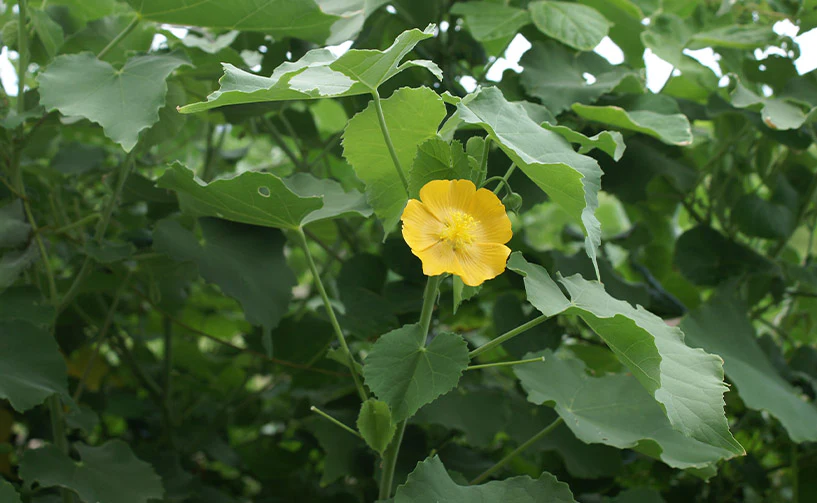
Bala (Sida cordifolia Linn.) and Atibala (Abutilon indicum Linn.) are collectively referred to as Bala Dwayam, with both drugs demonstrating nearly identical pharmacological and therapeutic attributes. These medicinal plants are traditionally classified as Vatapittahara, indicating their role in balancing Vata and Pitta doshas, particularly in conditions involving pain and degeneration.
Their integration into classical formulations is widely documented, and both are recognized for their supportive role in musculoskeletal health, especially in degenerative conditions involving joints and soft tissues.
Role of Ksheerapaka preparation in musculoskeletal support
Ksheerapaka refers to a medicated milk preparation obtained by boiling drugs with milk and water until only the milk-based fraction remains. When Bala and Atibala are processed in this formulation, the preparation acquires combined nutritional and therapeutic properties.
Key functional attributes include:
- Enhanced nutritional support through milk-based medium
- Improved Vatapittahara activity through drug infusion
- Support for tissue nourishment and strengthening
- Improved systemic assimilation of herbal constituents
Clinical relevance in Sandhigata vata
In degenerative joint disorders such as Sandhigata vata, the combined use of Bala moola Ksheerapaka and Atibala moola Ksheerapaka has been associated with improvement in key clinical manifestations.
Observed therapeutic areas include:
- Reduction in joint pain
- Improvement in tenderness
- Decrease in stiffness
- Relief from swelling and functional restriction
These effects align with the traditional understanding of Vata pacification and tissue nourishment in degenerative musculoskeletal conditions.
Conclusion
Musculoskeletal disorders, particularly degenerative joint diseases such as Sandhigata vata, represent a major clinical burden with progressive impact on functional health. The classical combination of Bala Dwayam (Bala and Atibala) in Ksheerapaka form provides a synergistic approach combining Vatapittahara action with nutritional support. This dual mechanism supports symptom relief in pain, stiffness, and swelling, highlighting its relevance in the Ayurvedic management of musculoskeletal disorders.1
References:
1. Mathew M, Jayshree C, Thankachan VJ, Nilima G. A phytochemical study of bala dvayam (Sida cordifolia & Abutilon indicum Linn.) and clinical evaluation of its moola churna ksheerapaka in sandhigata vata with special reference to janu sandhi. Int J Ayurvedic Med. 2021;12(2):292–295. https://www.ijam.co.in/index.php/ijam/article/view/1928/711