
Historical relevance of gold in traditional knowledge systems
Metals and minerals have been integral to human civilization for millennia, with gold (Swarna) occupying a distinguished position due to its physicochemical stability, rarity, and cultural significance. Historically, it has been utilized across civilizations for the preparation of ornaments, coins, idols, and ritual objects, and is among the earliest known metals employed for both decorative and therapeutic purposes. In the Indian knowledge tradition, gold is referenced in Vedic literature as “Hiranya,” a synonym of Swarna, indicating its early recognition and cultural-medical relevance in prehistoric contexts.
Gold in ancient socio-religious and pediatric practices
Classical Indian texts such as the Manusmriti describe structured life-stage purification rituals (Samskaras) intended to eliminate perceived biological and spiritual impurities. Among these, Jatakarma Samskara (neonatal care procedure) holds particular significance, wherein the newborn is administered a combination of gold, honey, and ghee immediately after umbilical cord separation, accompanied by Vedic chanting. This practice reflects an early conceptual integration of gold into neonatal care frameworks, symbolizing both ritual purification and presumed health-promoting effects.
Ayurvedic pharmaco-therapeutic perspective of Swarna
Ayurveda systematically incorporates gold within its materia medica, classifying it under Sapta Loha (seven metals) and further categorizing it as Shuddha Loha (purified metal), emphasizing its therapeutic potential when properly processed. Swarna is attributed dual functional roles, including preventive and promotive health applications, and is considered a potent Rasayana (rejuvenative agent) and Vajikarana (aphrodisiac), aimed at enhancing systemic vitality and reproductive health.
Life-course applications of Swarna in Ayurveda
Classical Ayurvedic literature describes the use of Swarna across various stages of human development, beginning from preconceptional care, where it is advocated to support optimal reproductive health and progeny outcomes. During pregnancy, Swarna is indicated in Pumsavana Karma, a prenatal intervention intended to support fetal development and desired constitutional outcomes. In the postnatal period, its administration is elaborated in Jatakarma Samskara and Lehana practices, where it is traditionally used as a nutritive and immuno-supportive adjunct in early infancy.
As the child grows, Swarna is described as a component of formulations aimed at enhancing Agni (digestive and metabolic capacity), Bala (physical strength and immunity), Medha (cognitive function), Varna (skin complexion), and Ayu (longevity). These multidimensional applications reflect its conceptual positioning as a broad-spectrum bio-enhancer in pediatric development within Ayurvedic theory.
Therapeutic scope across the lifespan
Beyond pediatric use, Swarna is also referenced in classical texts for adult and geriatric care, including supportive use in conditions associated with aging and terminal illness states characterized by Arishta Lakshana (poor prognostic signs). In such contexts, it is attributed protective and life-supportive properties. Collectively, these descriptions position gold as a uniquely versatile therapeutic agent in Ayurveda, with proposed biological relevance spanning from conception to end-of-life care, though requiring rigorous scientific validation in contemporary biomedical frameworks.
Swarna in classical Ayurvedic life-course medicine
Prenatal and reproductive applications:
Swarna is traditionally indicated as a Rasayana and Vajikarana agent intended to optimize reproductive health and support fetal development. It is described in Pumsavana Karma, where it is used to enhance fetal growth, developmental stability, and progeny health.
Neonatal care (Jatakarma Samskara):
Classical texts such as those by Sushruta describe the administration of Swarna immediately after birth, typically combined with honey and ghee. This intervention is considered supportive during the early neonatal period when endogenous nutrition and immunological adaptation are still immature.
Pediatric administration (Lehana and Swarnaprashana):
Swarnaprashana, as described by Acharya Kashyapa, represents a specialized Lehana formulation involving processed gold administered with honey and ghee. It is traditionally indicated for enhancing Medha (intellect), Agni (metabolism), Bala (immunity and strength), and Varna (skin complexion), along with promoting longevity and disease resistance.
Adult and geriatric applications:
In later life stages, Swarna is described as a Rasayana agent supporting cognitive preservation, physical vitality, reproductive health, and systemic rejuvenation, thereby contributing to holistic health maintenance.
Swarnaprashana: conceptual and pharmaceutic framework
Concept in Lehana therapy:
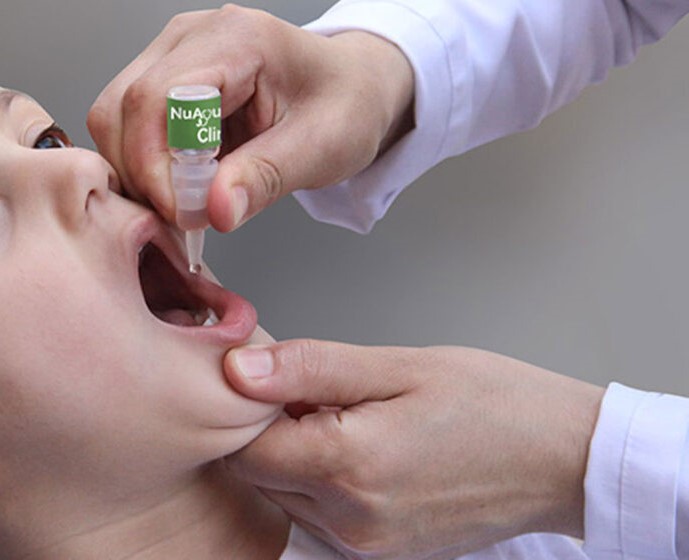
Lehana refers to pediatric formulations designed to enhance nutrition, immunity, and developmental maturation. Swarnaprashana is a distinct Lehana preparation in which finely processed gold is administered orally following trituration with honey and ghee on a sterile surface, often with specific procedural orientations described in classical texts.
Method of preparation:
The classical preparation involves systematic trituration (Bhavana) of gold with water, honey, and ghee until a fine, bioassimilable dispersion is achieved. This process is intended to enhance bioavailability and therapeutic efficiency.
Claimed therapeutic outcomes:
Swarnaprashana is traditionally associated with multidimensional benefits including:
- Enhancement of cognitive function (Medha)
- Improvement in digestive and metabolic efficiency (Agni)
- Strengthening of immunity and physical robustness (Bala)
- Promotion of lifespan (Ayushya)
- Improvement in complexion and tissue quality (Varna)
- Protection against microbial and environmental pathogenic influences (Grahapaham concept)
Duration-dependent classical effects
Short-term administration (approximately one month):
Short-term use is associated with enhanced cognitive capacity and reduced disease susceptibility, indicating potential immunological and neurodevelopmental benefits.
Medium-term administration (approximately six months):
Prolonged administration is traditionally linked with improved memory retention and learning capacity, suggesting neurocognitive enhancement effects.
Jatakarma Samskara and neonatal gold administration
Clinical rationale:
Sushruta describes Swarna administration immediately after birth as part of neonatal care protocols, particularly in the context of delayed lactation during the early postnatal period.
Formulation approach:
The combination of Swarna with honey and ghee is intended to provide immediate nutritional and protective support during neonatal physiological transition.
Dosage considerations and pharmaceutical forms
Dosage framework:
Classical texts do not define a fixed pediatric dosage; instead, age-based proportional dosing principles are described. Modern interpretations often extrapolate adult Swarna Bhasma doses into pediatric equivalents based on body weight and developmental stage.
Pharmaceutical forms:
Internal administration of Swarna is described in multiple forms:
- Patala (gold foil preparations)
- Churna (finely divided powder)
- Bhasma (calcined and processed nano-particulate form)
Among these, Swarna Bhasma is most widely utilized in Rasashastra due to enhanced bioavailability and reduced toxicity when properly prepared.
Safety profile and toxicological considerations
Importance of purification (Shodhana):
Ayurvedic texts strongly emphasize purification as an essential prerequisite for internal use. Improperly processed gold is associated with significant systemic toxicity.
Adverse effects of improper use:
Administration of inadequately processed Swarna may result in:
- Neurological disturbances
- Systemic toxicity
- Metabolic dysregulation
- Severe multi-organ adverse effects
This highlights the necessity of stringent pharmaceutical standardization.
Scientific and experimental correlations
Trace element studies:
Modern analytical studies have detected trace amounts of gold in biological matrices such as placenta, fetal liver, and semen, suggesting physiological exposure at micro-level concentrations.
Immunomodulatory evidence:
Experimental models indicate that Swarna-based formulations may modulate both innate and adaptive immune responses, including macrophage activation and immunoglobulin regulation.
Neurocognitive findings:
Colloidal gold and nano-gold preparations have been investigated for potential effects on cognitive function and memory processes, though clinical validation remains limited and requires further study.
Discussion
Swarnaprashana represents a complex integrative concept within Ayurvedic pediatrics that combines nutritional support, immunomodulation, and neurodevelopmental enhancement. It reflects an early systematic approach to preventive pediatric healthcare using mineral-based therapeutics.
Despite extensive classical documentation, variability in preparation methods, dosing, and clinical application necessitates rigorous scientific validation. Modern research focusing on nanostructure characterization, pharmacokinetics, toxicity profiling, and controlled clinical evaluation is essential to establish evidence-based guidelines.
The proposed benefits across cognitive, immunological, metabolic, and developmental domains warrant systematic investigation using contemporary biomedical methodologies.
Conclusion
Swarnaprashana is a historically significant Ayurvedic pediatric intervention involving the controlled administration of processed gold with honey and ghee to support growth, immunity, and neurodevelopment. While classical literature attributes broad therapeutic benefits, modern scientific validation is essential to confirm its safety, efficacy, and mechanistic basis, and to standardize its clinical application in contemporary healthcare systems.1
References:
- Jyothy KB, Sheshagiri S, Patel KS, Rajagopala S. A critical appraisal on Swarnaprashana in children. Ayu. 2014;35(4):361-365. doi:10.4103/0974-8520.158978. https://pmc.ncbi.nlm.nih.gov/articles/PMC4492018/