
Introduction
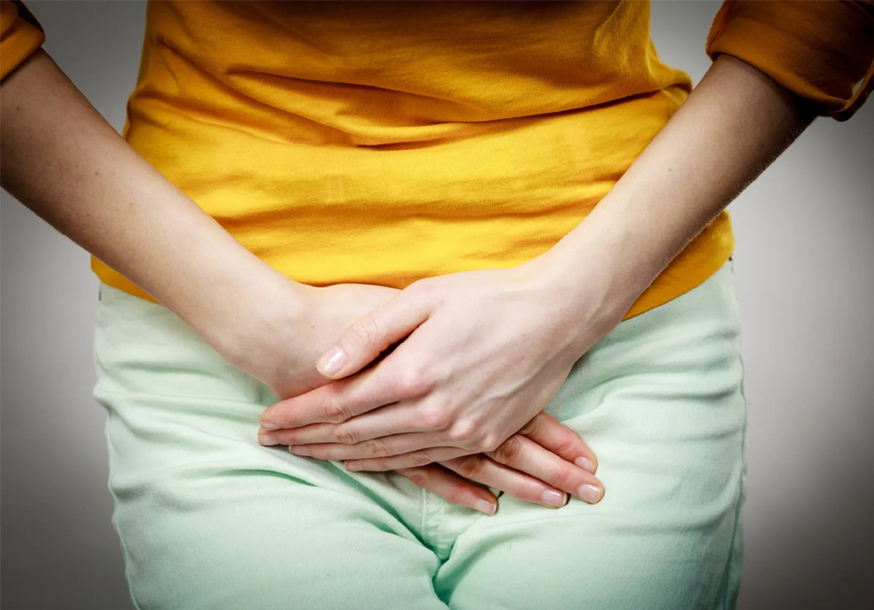
Urinary tract infections (UTIs) are commonly associated with microbial invasion of the urinary system, leading to inflammation, dysuria, burning micturition, and urinary discomfort. In Ayurvedic correlation, these conditions are aligned with disorders of Mutravaha Srotas, where vitiation of Vata and Pitta dosha contributes to disturbed urinary function, irritation, and obstruction-like symptoms.
Pathophysiological correlation in Ayurveda
UTIs are understood within the Ayurvedic framework as disturbances in urinary system physiology involving Mutravaha Srotas. Aggravation of Pitta is associated with burning sensation and inflammatory manifestations, while Vata contributes to pain and altered urinary flow. Combined doshic imbalance results in symptoms such as frequent urination, burning sensation, and discomfort during micturition.
Therapeutic relevance in Mutravaha Srotas disorders
Ayurvedic management of UTIs focuses on restoring urinary system balance, reducing irritation, and supporting normal urinary function. Therapeutic strategies are directed toward pacification of vitiated doshas and maintenance of urinary tract homeostasis.
Key therapeutic objectives include:
- Mutrala support: Promotes normal urinary flow and elimination
- Pitta-shamana action: Helps in reducing burning and inflammatory symptoms
- Srotoshodhana support: Facilitates functional cleansing of urinary channels
- Symptom relief: Addresses dysuria, urgency, and urinary discomfort 1
Clinical application in urinary tract infections
In Ayurvedic practice, UTIs are managed using herbal formulations and therapeutic interventions aimed at Mutravaha Srotas regulation. These approaches are often integrated in both acute symptom management and supportive care strategies.
Core application aspects include:
- Use of Mutrala and cooling herbal formulations
- Inclusion of polyherbal preparations targeting urinary irritation
- Supportive therapy for restoring urinary comfort and function
- Integration into broader Pitta and Vata balancing protocols
Pharmacological and mechanistic basis (Ayurvedic correlation)
Herbal interventions used in UTIs are associated with diuretic, anti-inflammatory, and antimicrobial properties. These effects contribute to enhanced urinary output, reduction of inflammatory responses, and support in microbial load control. Such multi-target actions align with Ayurvedic goals of dosha balance and urinary system normalization.
Mechanistic perspective in Mutravaha Srotas dysfunction
UTI-related dysfunction in Mutravaha Srotas involves inflammation, irritation, and disturbed urinary flow. Ayurvedic interventions support restoration of functional balance through modulation of urinary tract irritation, improvement of flow dynamics, and reduction of burning and pain symptoms. 2
Conclusion
Ayurvedic management of urinary tract infections emphasizes restoration of Mutravaha Srotas integrity through Mutrala, Pitta-shamana, and Srotoshodhana approaches. This integrative framework supports symptomatic relief and functional recovery in urinary tract disorders through dosha-based therapeutic strategies.
References:
- Jain R, Kosta S, Tiwari A. Ayurveda and urinary tract infections. J Young Pharm. 2010;2(3):337. doi:10.4103/0975-1483.66811. https://pmc.ncbi.nlm.nih.gov/articles/PMC2964762/
- Saddam M, Mishra SK, Singh N, et al. A comprehensive review on herbal approaches for treatment of urinary tract infections: Scope and challenges. J Pharm Anal. 2026;16(1):101414. doi:10.1016/j.jpha.2025.101414. https://pmc.ncbi.nlm.nih.gov/articles/PMC12860917/