
Introduction
Successful post-operative wound management requires effective control of inflammation, prevention of microbial contamination, promotion of granulation tissue formation, and timely epithelialization. Despite advances in surgical care, wound infections and delayed healing continue to be significant clinical challenges.1
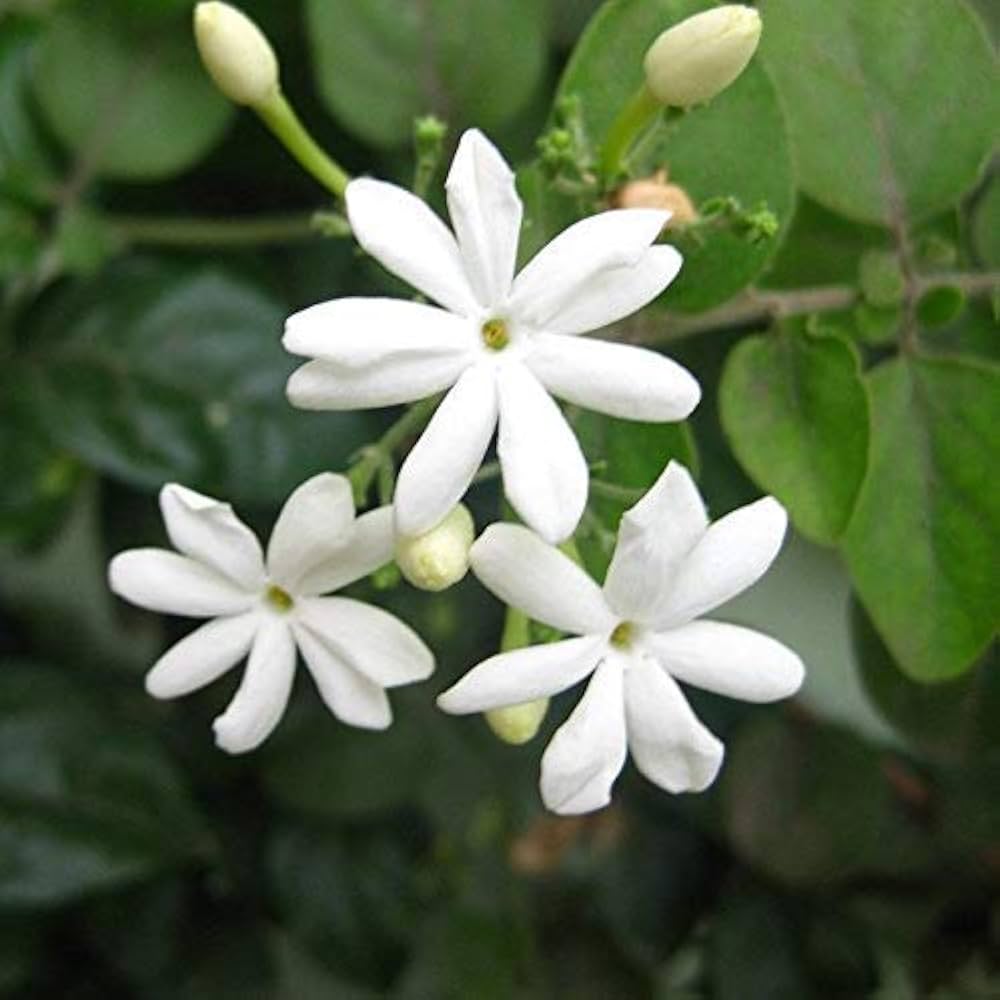
Ayurvedic literature describes numerous herbal formulations for wound care, among which Jatyadi Taila occupies a prominent position. Traditionally used in the management of surgical wounds, burns, chronic ulcers, anal fistula, and post-debridement wounds, the formulation derives much of its therapeutic value from Jati (Jasminum officinale). Classical texts describe Jati as an important medicinal plant capable of cleansing wounds and accelerating tissue repair.
Ayurvedic perspective
Jati is characterized by:
- Tikta and Kashaya Rasa (bitter and astringent taste)
- Laghu and Snigdha Guna (light and unctuous qualities)
- Ushna Virya (hot potency)
- Vranashodhana (wound purification)
- Vranaropana (wound healing)
- Shothahara (anti-inflammatory action)
These properties make it particularly useful in post-operative wounds where cleansing, infection control, and tissue regeneration are required simultaneously.
Pharmacological basis of wound-healing activity
The leaves and flowers of Jasminum officinale contain flavonoids, secoiridoids, phenolic compounds, tannins, glycosides, and essential oils. These phytochemicals contribute to multiple wound-healing mechanisms.2
Anti-inflammatory activity
Post-operative wounds undergo an inflammatory phase that is essential for healing but may become detrimental if prolonged. Jati extracts have demonstrated the ability to reduce inflammatory mediators and local tissue edema, thereby supporting progression to the proliferative phase of healing.
Antimicrobial effects
Microbial contamination remains a major obstacle in surgical wound healing. Studies have shown that Jasminum officinale exhibits antibacterial and antifungal activity against common wound pathogens. This antimicrobial action contributes to infection prevention and maintenance of a healthy wound environment.
Antioxidant properties
Oxidative stress can impair cellular repair mechanisms and delay wound closure. The antioxidant constituents of Jati neutralize reactive oxygen species and protect regenerating tissues from oxidative damage.
Promotion of tissue regeneration
Experimental studies suggest that Jati enhances fibroblast activity, collagen deposition, angiogenesis, and epithelialization. These actions accelerate granulation tissue formation and improve wound contraction and tensile strength.
Role in jatyadi taila
In Jatyadi Taila, Jati serves as the principal wound-healing component. The formulation also contains herbs such as Nimba (Azadirachta indica), Haridra (Curcuma longa), Daruharidra (Berberis aristata), and Karanja (Pongamia pinnata), which provide complementary antimicrobial and anti-inflammatory effects.
The oil base maintains wound moisture, enhances penetration of bioactive compounds, and creates an environment favorable for tissue repair. Clinical studies have reported beneficial outcomes of Jatyadi Taila in post-operative wounds, chronic ulcers, fissures, fistula wounds, and burn injuries.
Conclusion
Jati (Jasminum officinale) is a key medicinal plant in Ayurvedic wound care and serves as the cornerstone of Jatyadi Taila. Its antimicrobial, anti-inflammatory, antioxidant, and tissue-regenerative properties support effective post-operative wound management by promoting wound cleansing, preventing infection, and accelerating tissue repair. Contemporary scientific evidence supports its traditional use, highlighting its potential as a valuable component of integrative wound-care strategies.
Reference:
- Chaturvedi AP, Kumar M, Tripathi YB. Efficacy of Jasminum grandiflorum L. leaf extract on dermal wound healing in rats. Int Wound J. 2013;10(6):675-682. doi:10.1111/j.1742-481X.2012.01043.x https://pmc.ncbi.nlm.nih.gov/articles/PMC7950778/
- T Raja Sekharan, M Syam Mohan, P Natarajan, A S William, Arputha Sundar A Thanga Thirupathi, R Venkatnarayanan. Wound Healing and Anti Bacterial Activity of the Leaves Extracts of Jasminum grandiflorum Linn. Research J. Pharmacology and Pharmacodynamics. 2010; 2(6): 388-391. https://rjppd.org/HTMLPaper.aspx