
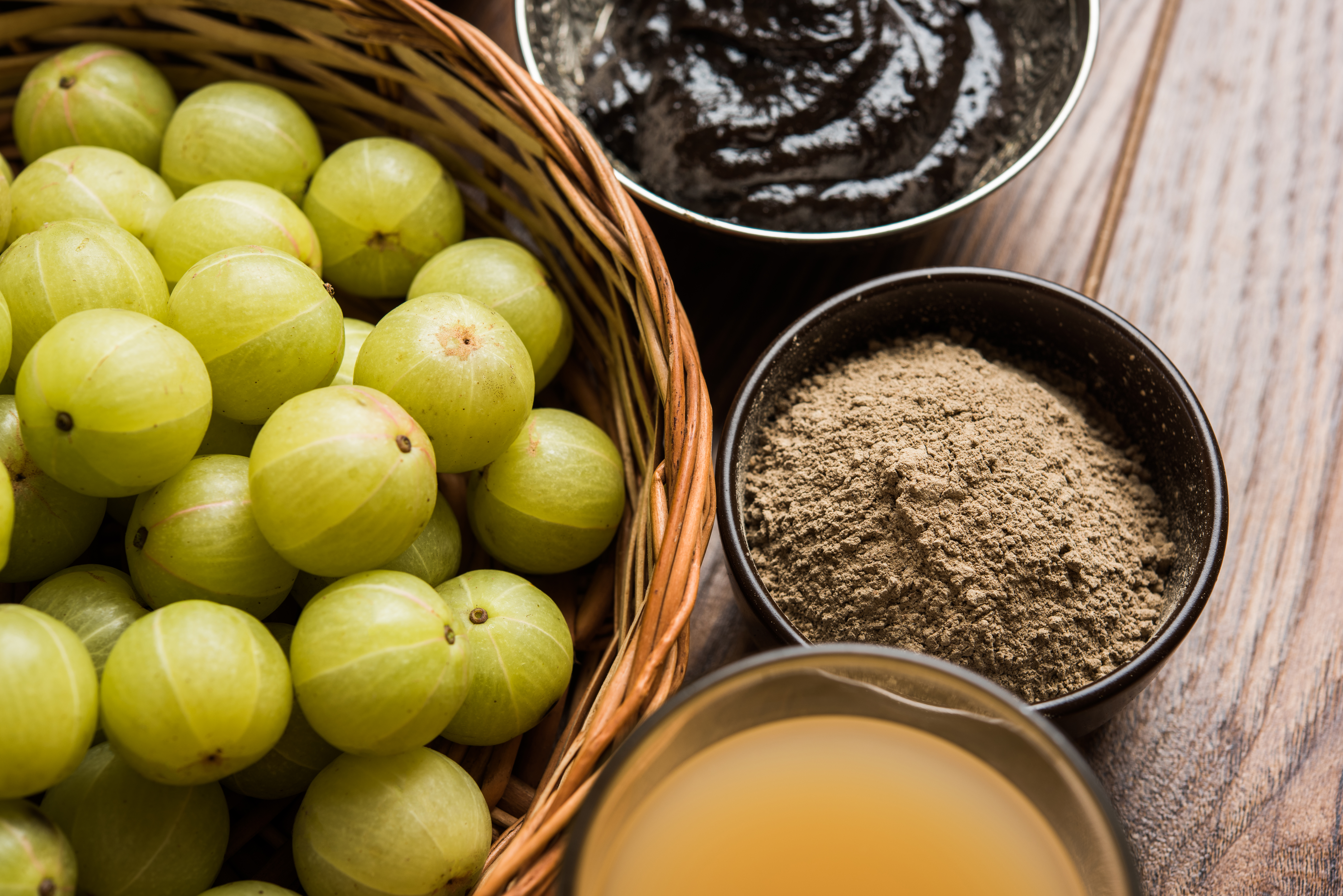
In today’s beauty-conscious world, hair plays a significant role in shaping personal identity, style, and confidence, serving as an important medium of self-expression. Hair loss is increasingly prevalent among younger individuals and may be associated with factors such as stress, poor nutrition, hormonal dysregulation, and lifestyle choices. Affecting individuals across age groups, hair loss challenges traditional perceptions of age-related changes and has emerged as a growing concern in contemporary health and wellness.1
Herbal approaches to hair loss
Several synthetic therapies are currently used to manage different types of hair loss, including alopecia areata and androgenetic alopecia. These include dithranol, corticosteroids, minoxidil, tretinoin, zinc, irritants, immunosuppressants, azelaic acid, systemic cortisone, and finasteride. However, their long-term efficacy may vary. These therapies may also cause adverse effects, such as scalp scaling, erythema, pruritus, and dermatitis. Consequently, interest has grown in exploring natural alternatives for hair loss management. Various herbs have been investigated for their potential effects through mechanisms such as improving scalp circulation, inhibiting dihydrotestosterone (DHT) activity and 5α-reductase, supporting aromatherapy-based approaches, and providing nutritional benefits. Herbs traditionally used or studied for hair loss include Phyllanthus emblica, Ocimum sanctum, Aloe barbadensis, Allium cepa, Allium sativum, Eclipta alba, Thea sinensis, Cocos nucifera, Centella asiatica, Trigonella foenum-graecum, and Sesamum indicum.
Amla (Phyllanthus emblica): Traditional uses and pharmacological properties
Phyllanthus emblica Linn. (syn. Emblica officinalis Gaertn.), belonging to the family Euphorbiaceae, is commonly known as Indian gooseberry or amla. It is a widely used household remedy in the Indian traditional system of medicine for various ailments. The fruit has been reported to possess several pharmacological properties, including expectorant, purgative, spasmolytic, hypoglycemic, hepatoprotective, and hypolipidemic activities. Additionally, amla fruit has demonstrated antioxidant, antihyperlipidemic, and antidiabetic properties and serves as an important ingredient in several commercially available hepatoprotective formulations. Fresh amla fruit contains high levels of ascorbic acid (vitamin C) and has traditionally been used in the management of conditions such as scurvy and pulmonary tuberculosis. Also, the dried fruits boiled in coconut oil is used to prevent hair graying.2
Amla (Phyllanthus emblica): Potential benefits for hair growth and scalp health3
- Amla (Phyllanthus emblica) possesses antimicrobial properties that may help manage dandruff and other fungal infections, thereby supporting scalp health.
- It has also been reported to inhibit 5α-reductase, an enzyme involved in androgenetic alopecia (AGA), with finasteride serving as a recognised pharmacological inhibitor of the same enzyme.
- Traditionally, amla has been used to address hair loss in both men and women, help prevent dandruff, and promote scalp health.
- Evidence from a clinical study suggests that oral amla syrup may improve hair growth parameters and patient satisfaction among women with AGA. These findings indicate its potential as a treatment option, although further comparative studies against established therapies, such as finasteride, are needed to determine its relative efficacy and safety. A randomized controlled clinical trial has also investigated the effects of an oral amla-containing product on AGA, and amla-based hair oils are available commercially
Clinical evidence
A recent study was conducted to explore the potential of Phyllanthus emblica in the promotion of hair growth.

Outcome: The rate of hair growth is the basis for determining the efficacy of each group.

The results demonstrated a statistically significant difference in hair length between Group A (Phyllanthus emblica oil) and Group B (castor oil) as early as Week 2. This difference increased further by Week 3 and became more pronounced by Week 4. Overall, Group A showed a significantly greater increase in hair length than Group B, suggesting that P. emblica oil may be more effective than castor oil in promoting hair growth under the study conditions.
Phyllanthus emblica oil is a potent 5-α reductase inhibitor and hair growth promoter. Hence, the results suggest that Phyllanthus emblica oil may be used in people with alopecia.4
Conclusion
Phyllanthus emblica (amla) shows promising potential as a natural approach to hair loss management owing to its antimicrobial properties and possible role in inhibiting 5α-reductase. Preliminary clinical findings suggest that amla-based oil may promote hair growth, with greater increases in hair length than castor oil under the study conditions. However, further well-designed clinical trials are needed to establish its efficacy, optimal use, and long-term safety in different types of alopecia.
References:
- Karyappa VS, Upalanchiwar S, Jain S. Management of Indralupta (Alopecia areata) through Ayurvedic intervention: A single case study. J Ayu Int Med Sci. 2026;11(5):602-611. doi:10.21760/jaims.11.5.88. https://jaims.in/jaims/article/download/6235/11171?inline=1
- Krishnaveni M, Mirunalini S. Therapeutic potential of Phyllanthus emblica (amla): the ayurvedic wonder. J Basic Clin Physiol Pharmacol. 2010;21(1):93-105. doi:10.1515/jbcpp.2010.21.1.93. https://pubmed.ncbi.nlm.nih.gov/20506691/
- Elnady RE, Abdon MS, Shaheen HR, Eladawy RM, Azar YO, Al Raish SM. The Future of Alopecia Treatment: Plant Extracts, Nanocarriers, and 3D Bioprinting in Focus. Pharmaceutics. 2025;17(5):584. Published 2025 Apr 29. doi:10.3390/pharmaceutics17050584. https://pmc.ncbi.nlm.nih.gov/articles/PMC12115063/
- Barcinas NN, Cedeño CP, Dobariya I, Ilustre PTI, Madathanapalli S, Pertimos NA, Tabañag KZ. Hair growth-promoting effects of Phyllanthus emblica (Indian gooseberry) oil in human subjects with alopecia in Cebu City, Philippines. Figshare. Published April 16, 2023. doi:10.6084/m9.figshare.22640542.v2. https://figshare.com/ndownloader/files/40183660