
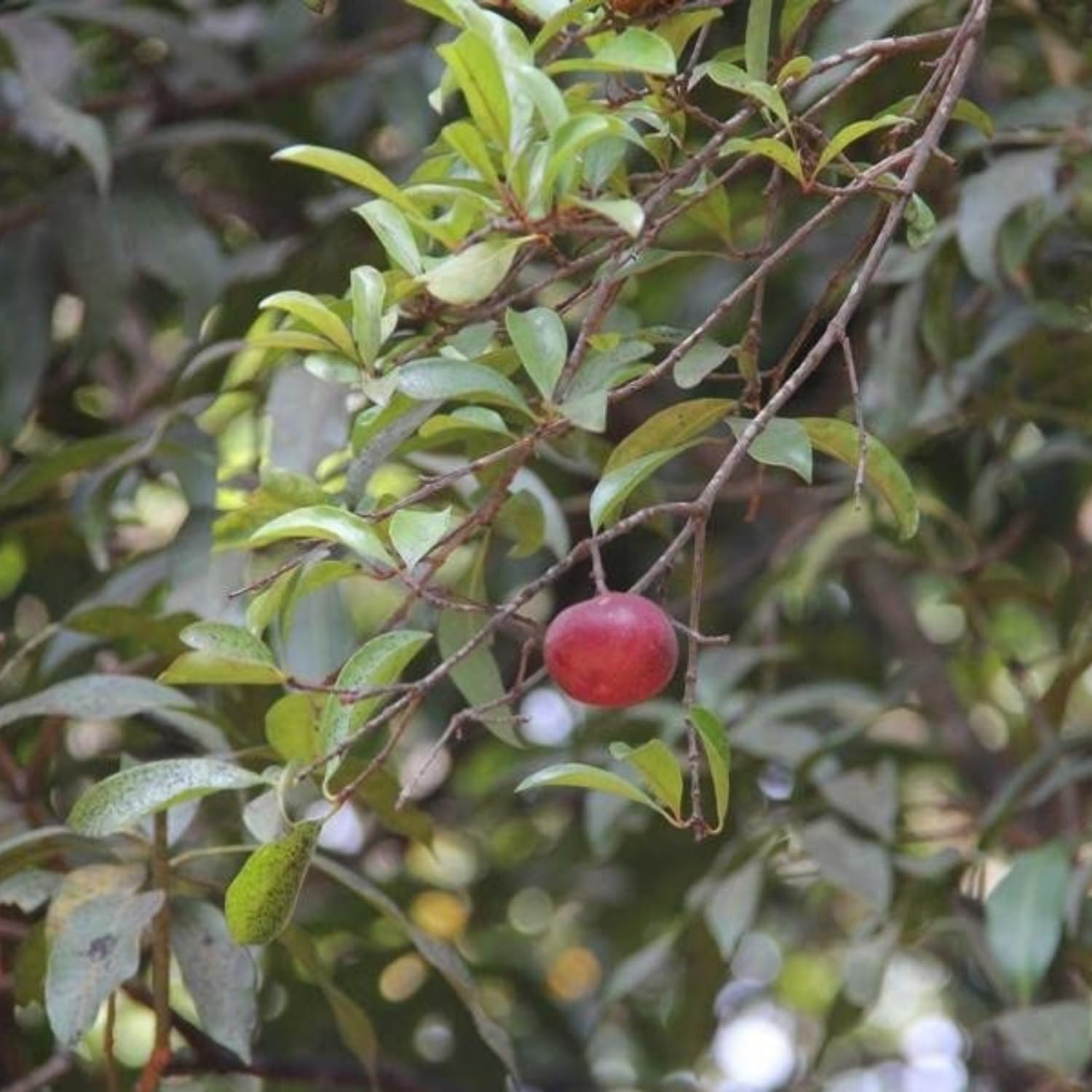
Introduction
Ethnopharmacological relevance of medicinal plants
The utilization of medicinal plants represents one of the oldest and most widely practiced forms of healthcare across human civilizations. Traditional medical systems globally have long relied on plant-derived resources for the prevention and management of a wide spectrum of diseases. This accumulated indigenous knowledge, transmitted across generations, has played a fundamental role in shaping contemporary ethnopharmacology and natural product-based drug discovery.
Contribution of natural products to modern therapeutics
Natural products and plant-derived compounds continue to be a major source of pharmacologically active molecules in modern drug development. Between 1981 and 2014, approximately 26% of newly approved chemical entities were either natural products or directly derived from them, highlighting their continued relevance in pharmaceutical innovation. Compared with synthetic drugs, many medicinal plants are traditionally considered to possess comparatively lower toxicity profiles and reduced adverse effects, although this requires rigorous scientific validation.
Clusiaceae family: ethnomedicinal and pharmacological significance
The plant family Clusiaceae comprises approximately 50 genera and nearly 600 species distributed across tropical and subtropical regions, including Asia, Africa, and Western Polynesia. Members of this family have been extensively used in ethnomedicine for the management of wounds, ulcers, infectious diseases, inflammatory disorders, dysentery, and even neoplastic conditions. This broad therapeutic spectrum is attributed to their diverse phytochemical composition and bioactive secondary metabolites.
Garcinia genus: botanical and pharmacological overview
Distribution and traditional applications:
The genus Garcinia, belonging to the Clusiaceae family, includes species with significant culinary, medicinal, and industrial importance. These plants are widely distributed in tropical regions of Asia, Africa, and Western Polynesia. Traditionally, different Garcinia species have been used in folk medicine for treating metabolic disorders, inflammatory diseases, and infectious conditions.
Bioactive phytochemical constituents:
Recent phytochemical investigations have revealed that Garcinia species are rich sources of biologically active metabolites, including:
- Hydroxycitric acid (HCA)
- Bioflavonoids
- Procyanidins
- Polyisoprenylated benzophenones (e.g., garcinol, xanthochymol, guttiferone derivatives)
These compounds are responsible for a broad range of pharmacological activities, including antioxidant, anticancer, anti-inflammatory, and antiviral effects.
Mechanistic insights into major bioactive compounds
Garcinol and anti-inflammatory activity:
Garcinol exhibits significant anti-inflammatory potential by modulating multiple molecular pathways. It inhibits key inflammatory mediators, including cyclooxygenase-2 (COX-2), 5-lipoxygenase (5-LOX), and inducible nitric oxide synthase (iNOS), thereby downregulating inflammatory signaling cascades and reducing cytokine-mediated tissue damage.
Antioxidant and free radical scavenging effects:
Garcinol and related polyisoprenylated benzophenones demonstrate strong antioxidant activity through efficient scavenging of reactive oxygen species, including superoxide anions. This activity contributes to cellular protection against oxidative stress–induced damage and supports tissue homeostasis.
Neuroprotective and epigenetic regulatory effects:
Emerging evidence indicates that garcinol possesses neuroprotective properties, partly mediated through histone acetyltransferase (HAT) inhibition. This epigenetic modulation influences gene expression patterns involved in neuroinflammation and neuronal survival.
Anticancer potential
Bioactive constituents of Garcinia species have demonstrated anticancer effects through multiple mechanisms, including:
- Induction of apoptosis in malignant cells
- Cell cycle arrest at various checkpoints
- Inhibition of angiogenesis
- Regulation of oncogene expression and signaling pathways
These multifaceted mechanisms highlight their potential as adjuncts in cancer prevention and therapy.
Beneficial role1
Antioxidant effects:
Oxidative stress arises from excessive generation of reactive oxygen species (ROS), leading to lipid peroxidation, DNA damage, and protein oxidation, which are implicated in chronic diseases. Numerous experimental studies have demonstrated that Garcinia indica exhibits significant antioxidant activity through enhancement of endogenous defense systems and free radical scavenging mechanisms.
In animal models of ethanol-induced oxidative injury, aqueous extracts of G. indica significantly reduced malondialdehyde (MDA) levels while restoring glutathione (GSH), superoxide dismutase (SOD), catalase (CAT), and glutathione peroxidase activities in a dose-dependent manner. These findings indicate a strong protective effect against oxidative damage.
Additionally, phytochemicals such as hydroxycitric acid and garcinol contribute to radical scavenging activity. Biosynthesized nanoparticles using plant extracts have also shown enhanced antioxidant potential, further supporting the redox-modulating capacity of G. indica. Overall, the antioxidant effects are mediated through inhibition of lipid peroxidation and reinforcement of cellular antioxidant enzyme systems.
Nanobiotechnological applications:
Recent advances in green nanotechnology highlight the use of plant extracts for eco-friendly synthesis of metal nanoparticles. G. indica fruit extract has been successfully utilized for the biosynthesis of silver nanoparticles (AgNPs), eliminating toxic chemical reducing agents.
These biogenic AgNPs demonstrate potent dose-dependent antioxidant activity, including DPPH, nitric oxide, and hydrogen peroxide scavenging, along with strong reducing power. Such properties suggest enhanced biomedical applicability due to improved biocompatibility, stability, and low toxicity.
Anti-obesity and metabolic effects:
Extracts of G. indica, particularly garcinol-rich fractions, have demonstrated anti-obesity activity in both in vitro adipocyte models and high-fat diet–induced animal studies. These effects include suppression of adipogenesis, reduction of lipid accumulation, and modulation of metabolic regulators such as PPARγ, C/EBPα, PPARα, and CPT-1A.
In vivo studies show significant reductions in body weight gain, serum cholesterol, and triglycerides, along with increased HDL levels. These findings indicate a favorable impact on lipid metabolism and energy homeostasis, suggesting potential therapeutic relevance in obesity-associated metabolic disorders.
Anti-arthritic effects:
Garcinol-enriched fractions of G. indica exhibit anti-arthritic activity in experimental models of adjuvant-induced arthritis. These effects are characterized by reduction in paw edema, decreased arthritis scores, and improvement in mobility and pain-related parameters.
The mechanism involves suppression of inflammatory mediators and modulation of immune responses, highlighting its potential role in chronic inflammatory joint disorders.
Anti-inflammatory activity:
Inflammation is a key biological response mediated by cytokines such as interleukin-6 (IL-6). G. indica extracts have been shown to significantly reduce IL-6 levels in plasma and tissues, indicating strong anti-inflammatory potential.
The anti-inflammatory action is closely linked to its antioxidant effects, with inhibition of oxidative stress–induced cytokine activation pathways contributing to reduced systemic inflammation.
Antidepressant and anxiolytic effects:
Preclinical studies demonstrate that G. indica possesses anxiolytic and antidepressant-like effects in behavioral models such as the elevated plus maze, forced swim test, and tail suspension test.
These effects are associated with modulation of monoaminergic neurotransmitters, reduction in immobility time, and reversal of stress-induced biochemical changes. Importantly, the extract shows efficacy without significant motor impairment, indicating a favorable neuropsychopharmacological profile.
Antibacterial activity
G. indica exhibits broad-spectrum antibacterial activity against both Gram-positive and Gram-negative organisms, including drug-resistant strains such as MRSA. Mechanistic studies suggest disruption of bacterial cell integrity and inhibition of microbial growth in a dose-dependent manner.
Minimum inhibitory concentration (MIC) studies confirm its bacteriostatic and bactericidal potential, supporting its relevance as a natural antimicrobial agent.
Hepatoprotective effects:
Aqueous extracts of G. indica demonstrate hepatoprotective activity in toxin-induced liver injury models by reducing serum liver enzymes (ALT, AST, ALP) and restoring lipid and protein metabolism markers.
Histopathological studies confirm reduced hepatic inflammation, necrosis, and fatty degeneration. These protective effects are attributed to antioxidant-mediated stabilization of hepatocyte membranes and inhibition of lipid peroxidation.
Cardioprotective potential:
Evidence regarding cardioprotective effects of G. indica is mixed. Some studies show improvement in lipid-related cardiovascular risk indices, including reductions in atherogenic index and cholesterol ratios, suggesting anti-atherosclerotic potential.
However, other studies report limited protection against myocardial injury biomarkers, indicating that cardioprotective efficacy may be dose-dependent or require further validation through larger clinical studies.
Conclusion
Overall, Garcinia indica exhibits a wide spectrum of pharmacological activities including antioxidant, anti-inflammatory, antimicrobial, neuroprotective, metabolic, and hepatoprotective effects. These properties collectively support its potential as a multifunctional natural therapeutic agent, although further clinical validation is required to establish standardized medical applications.
References:
- Lim SH, Lee HS, Lee CH, Choi CI. Pharmacological Activity of Garcinia indica (Kokum): An Updated Review. Pharmaceuticals (Basel). 2021;14(12):1338. Published 2021 Dec 20. doi:10.3390/ph14121338. https://pmc.ncbi.nlm.nih.gov/articles/PMC8708457/