
Introduction
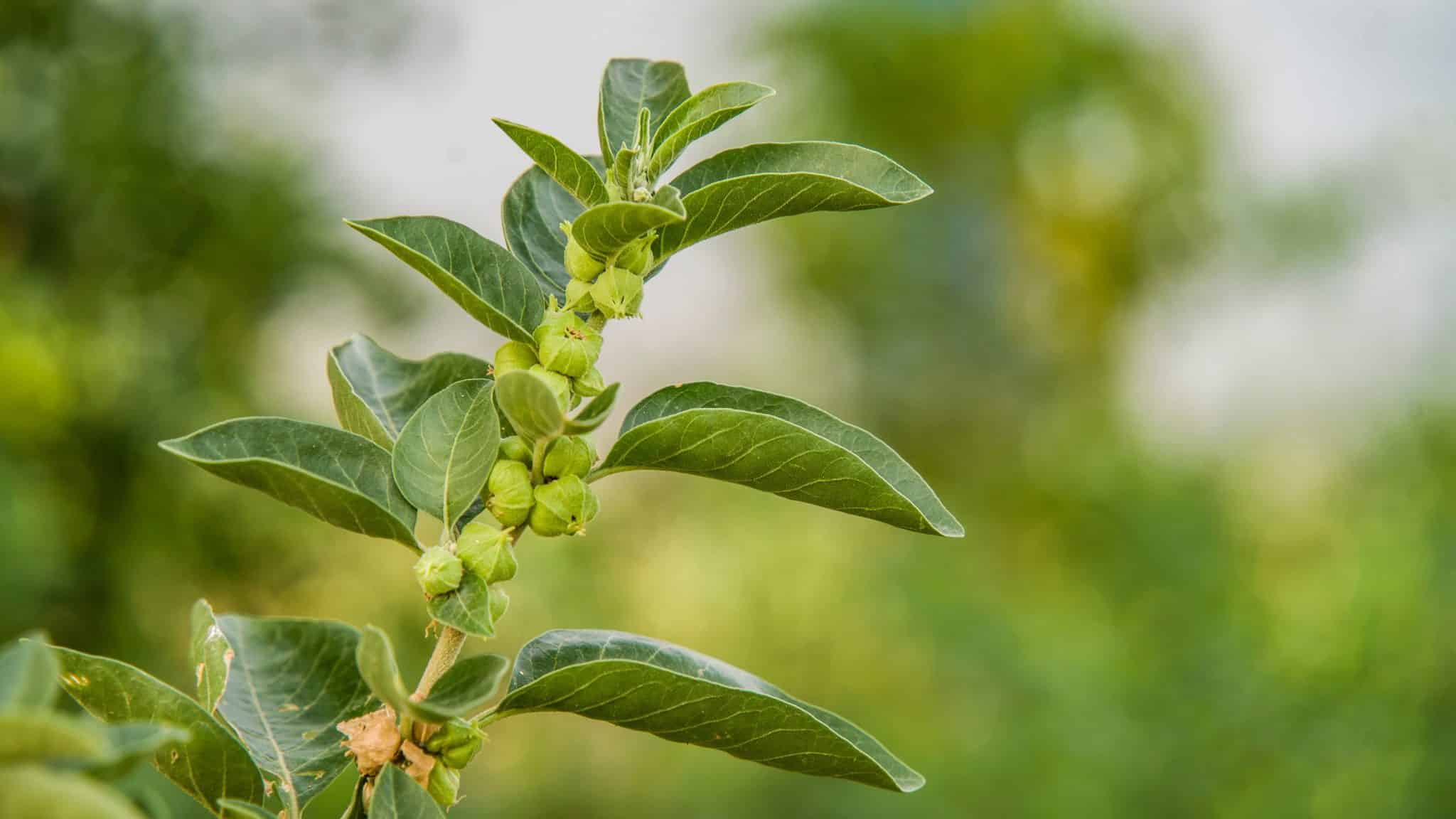
Female infertility is a multifactorial condition influenced by hormonal imbalance, ovulatory dysfunction, stress, metabolic disturbances, and disorders of the reproductive tract. According to the World Health Organization, infertility affects millions of couples worldwide, with female factors contributing to nearly half of all cases. It is clinically defined as the inability to achieve pregnancy after 12 months of regular unprotected intercourse. Common causes include ovulatory disorders, polycystic ovary syndrome (PCOS), diminished ovarian reserve, endometriosis, hormonal dysregulation, and psychological stress. Increasing evidence indicates that chronic stress and oxidative damage can adversely affect ovarian function, reproductive hormone balance, and fertility outcomes. Ayurveda describes infertility under Vandhyatva, attributing it to disturbances in Artava (ovum and reproductive tissues), Beeja (gametes), Kshetra (reproductive organs), and Ritu (appropriate timing for conception). The Ayurvedic approach emphasizes restoration of Dosha balance, nourishment of Artava Dhatu, enhancement of reproductive vitality, and maintenance of mental well-being. Ashwagandha (Withania somnifera), one of the most esteemed Ayurvedic Rasayana herbs, has traditionally been used to promote vitality, reproductive health, and hormonal equilibrium.1 Modern pharmacological studies have demonstrated adaptogenic, antioxidant, anti-inflammatory, endocrine-modulating, and stress-reducing properties that may support female reproductive function. By reducing stress-related hormonal disturbances, combating oxidative stress, and improving overall physiological resilience, Ashwagandha may contribute to enhanced fertility potential and reproductive wellness, supporting its traditional role as a rejuvenative herb in women's health.
Ayurvedic perspective
Ashwagandha is characterized by:
- Tikta, Kashaya, and Madhura Rasa (bitter, astringent, and sweet tastes)
- Guru and Snigdha Guna (heavy and unctuous qualities)
- Ushna Virya (hot potency)
- Madhura Vipaka
- Balya (strength-promoting)
- Rasayana (rejuvenative)
- Vajikarana (reproductive tonic)
- Vata Shamaka
These properties help nourish reproductive tissues, improve vitality, and support fertility.
Phytochemical constituents
The major bioactive compounds include:
- Withanolides
- Withaferin A
- Sitoindosides
- Alkaloids
- Flavonoids
- Steroidal lactones
These constituents contribute to the herb's adaptogenic and reproductive-supportive actions.
Mechanisms in female infertility
Stress reduction and neuroendocrine balance:
Psychological stress is a recognized factor in infertility. Ashwagandha modulates the hypothalamic–pituitary–adrenal (HPA) axis and reduces cortisol levels, thereby improving neuroendocrine balance and reproductive function.
Antioxidant protection of ovarian tissue:
Oxidative stress can impair follicular development and oocyte quality. Ashwagandha enhances antioxidant defenses and protects ovarian tissues from free radical-induced damage.
Hormonal modulation:
Research suggests that Ashwagandha may support endocrine balance by influencing reproductive hormones and improving communication between the hypothalamus, pituitary gland, and ovaries.
Improvement in reproductive tissue nourishment:
As a Rasayana, Ashwagandha promotes tissue nourishment (Dhatu Poshana), supporting healthy ovarian function and reproductive capacity.
Anti-inflammatory effects:
Chronic inflammation contributes to several infertility-related disorders, including PCOS and endometriosis. Ashwagandha exhibits anti-inflammatory activity through regulation of inflammatory cytokines and oxidative pathways.
Clinical applications
Stress-associated infertility:
Ashwagandha may improve fertility outcomes in women experiencing stress-related reproductive dysfunction by reducing anxiety and improving hormonal balance.
Polycystic ovary syndrome (PCOS):
Its metabolic, anti-inflammatory, and adaptogenic actions may provide supportive benefits in women with PCOS-associated infertility.
Reduced ovarian function:
Through antioxidant and Rasayana effects, Ashwagandha may help support ovarian health and reproductive tissue vitality.
General reproductive wellness:
Ashwagandha is frequently included in Ayurvedic fertility-supportive formulations aimed at enhancing overall reproductive health and resilience.
Common ayurvedic preparations
- Ashwagandha Churna
- Ashwagandha Ghrita
- Ashwagandha Avaleha
- Rasayana formulations
- Fertility-supportive polyherbal preparations
Conclusion
Ashwagandha (Withania somnifera) is a prominent Ayurvedic Rasayana with considerable potential in the management of female infertility. Its adaptogenic, antioxidant, anti-inflammatory, and endocrine-modulating properties address several factors implicated in reproductive dysfunction, particularly stress-induced infertility and hormonal imbalance. By supporting ovarian health, reproductive tissue nourishment, and neuroendocrine balance, Ashwagandha offers a holistic approach to fertility enhancement. Further well-designed clinical studies are needed to establish standardized therapeutic protocols and clarify its role in evidence-based reproductive medicine.1
Description:
- Lopresti AL, Smith SJ, Malvi H, Kodgule R. An investigation into the stress-relieving and pharmacological actions of an ashwagandha (Withania somnifera) extract: A randomized, double-blind, placebo-controlled study. Medicine (Baltimore). 2019;98(37):e17186. doi:10.1097/MD.0000000000017186 https://pmc.ncbi.nlm.nih.gov/articles/PMC6750292/
- Nasimi Doost Azgomi R, Zomorrodi A, Nazemyieh H, et al. Effects of Withania somnifera on Reproductive System: A Systematic Review of the Available Evidence. Biomed Res Int. 2018;2018:4076430. Published 2018 Jan 24. doi:10.1155/2018/4076430 https://pmc.ncbi.nlm.nih.gov/articles/PMC5833251/