
Introduction
According to Ayurveda, aggravated Vata Dosha is the primary pathogenic factor in disorders affecting bones, joints, muscles, nerves, and connective tissues. Conditions such as Sandhivata (osteoarthritis), Gridhrasi (sciatica), Katigraha (low back pain), and Manyastambha (cervical spondylosis) are predominantly Vata-mediated diseases. Management aims to alleviate pain, reduce stiffness, improve mobility, and restore tissue nourishment.
Agnikarma, described by Sushruta, utilizes controlled therapeutic heat to relieve pain and remove obstruction in affected tissues. Eranda complements this approach by addressing systemic inflammation, promoting lubrication of joints, and pacifying aggravated Vata.1
Pharmacological basis of eranda
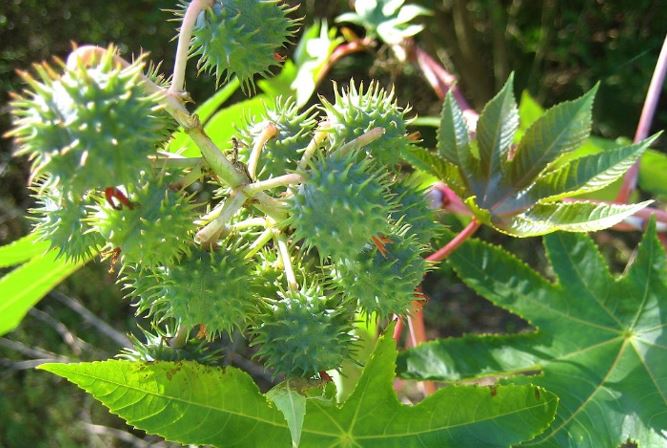
The therapeutic actions of Ricinus communis are attributed to bioactive compounds including ricinoleic acid, flavonoids, alkaloids, sterols, and phenolic compounds. Among these, ricinoleic acid is considered the principal active constituent responsible for many medicinal effects.
Experimental studies have shown that Eranda possesses significant anti-inflammatory activity through inhibition of prostaglandins and inflammatory mediators. The plant also exhibits analgesic properties that help reduce pain perception. Antioxidant effects protect tissues from oxidative damage associated with chronic inflammation and degenerative joint diseases.
Traditionally, Eranda Taila (castor oil) is extensively used in Vata disorders because of its lubricating and cleansing properties. It helps relieve stiffness, improves flexibility, and supports normal movement of joints and muscles.
Supportive role with agnikarma
Agnikarma provides rapid symptomatic relief by producing thermal analgesia, increasing local circulation, and reducing muscle spasm. However, chronic musculoskeletal disorders often require additional measures to address the underlying inflammatory and degenerative processes. Eranda serves this supportive role effectively.2
The anti-inflammatory effects of Eranda help reduce swelling and tenderness in affected joints and soft tissues following Agnikarma. Improved circulation induced by thermal therapy may enhance local tissue metabolism and facilitate the therapeutic action of herbal interventions. Eranda also contributes to tissue nourishment (Brimhana) and lubrication, helping to counteract the dryness and degeneration associated with aggravated Vata.
Externally, Eranda Taila is commonly used for massage and local applications in painful joints and muscles. Internally, appropriately prescribed formulations may support bowel regulation and systemic Vata pacification, which are important aspects of Ayurvedic management.
Clinical applications
The combination of Agnikarma and Eranda is frequently employed in:
- Osteoarthritis (Sandhivata)
- Sciatica (Gridhrasi)
- Low back pain (Katigraha)
- Cervical spondylosis (Manyastambha)
- Frozen shoulder (Avabahuka)
- Rheumatoid arthritis (Amavata)
- Heel pain and plantar fasciitis
Clinical observations suggest improved pain relief, reduction in stiffness, enhanced joint mobility, and better functional outcomes when Eranda-based therapies are used alongside Agnikarma.
Conclusion
Eranda (Ricinus communis) is a valuable Ayurvedic medicinal plant for the management of Vata disorders. Its anti-inflammatory, analgesic, antioxidant, and Vata-pacifying properties complement the thermal analgesic effects of Agnikarma. Together, these therapies provide a comprehensive approach to pain reduction, improvement of mobility, and support of tissue healing in musculoskeletal disorders. Further clinical studies are warranted to establish standardized protocols and strengthen the evidence supporting this integrative therapeutic strategy.
Reference:
- Doshi KA, Acharya R, Shukla VJ, Kalyani R, Khanpara K. Phytochemical evaluation of the wild and cultivated varieties of Eranda Mula (Roots of Ricinus communis Linn.). Ayu. 2013;34(2):200-203. doi:10.4103/0974-8520.119679 https://pmc.ncbi.nlm.nih.gov/articles/PMC3821251/
- Samota B, Sharma S, Singh M, Sharma R, Garg P. Role of Agnikarma along with Ayurveda medication in management of trigger thumb - A Case Report. J Ayurveda Integr Med. 2026;17(2):101339. doi:10.1016/j.jaim.2026.101339 https://pmc.ncbi.nlm.nih.gov/articles/PMC12996233/