
Introduction
Respiratory disorders are among the most prevalent illnesses in children and represent a major contributor to pediatric morbidity worldwide. Conditions such as bronchitis, bronchial asthma, persistent cough, and recurrent upper respiratory tract infections significantly affect breathing and also impair growth, sleep, nutrition, and overall quality of life. Due to anatomical narrowing of airways, immature immune function, and increased exposure to environmental allergens and infections, children remain particularly vulnerable during early developmental years. This necessitates safe, effective, and holistic management approaches in pediatric healthcare.
Ayurvedic understanding of pediatric respiratory disorders
Ayurveda describes respiratory diseases through the framework of Dosha, Agni, and Srotas. Pediatric respiratory conditions primarily involve vitiation of Kapha and Vata doshas affecting the Pranavaha Srotas (respiratory channels).
- Aggravated Kapha leads to mucus accumulation and airway obstruction
- Disturbed Vata contributes to airway constriction, dry cough, and breathlessness
Classical conditions such as Kasa (cough) and Tamaka Shwasa (bronchial asthma) closely resemble modern respiratory disorders. The Ayurvedic approach focuses not only on symptomatic relief but also on restoring doshic balance, improving immunity, and strengthening respiratory function.
Pediatric vulnerability and clinical expression
The respiratory system in children differs from adults in both structure and function. Narrow airways, developing immune mechanisms, and heightened sensitivity to irritants contribute to increased susceptibility to:
- Upper respiratory infections
- Bronchial asthma
- Persistent cough
- Recurrent bronchitis
These conditions collectively impair respiratory efficiency and can adversely influence appetite, sleep quality, and overall developmental progress.
Chronic cough and Ayurvedic management approach
Chronic cough in children often arises from persistent airway irritation, mucus retention, or repeated infections. Ayurvedic management emphasizes correction of both Vata and Kapha imbalance using targeted herbal formulations.
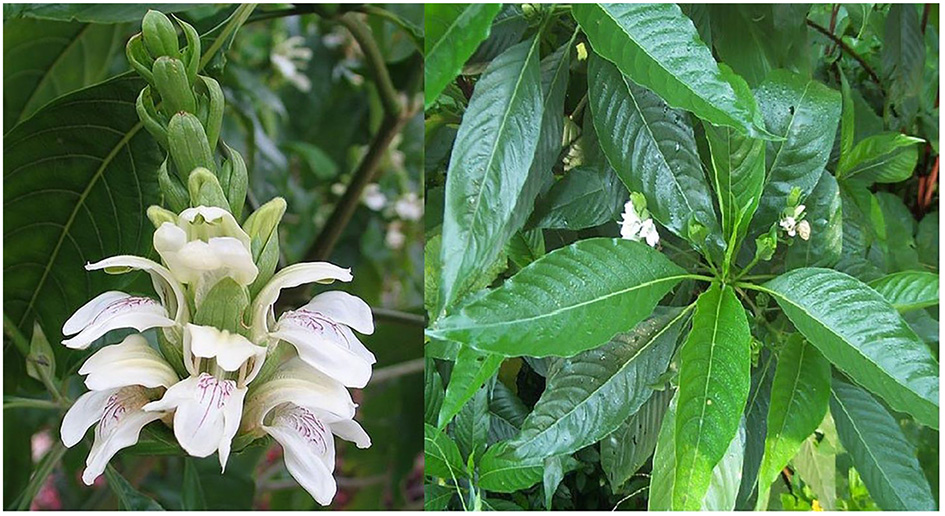
Vasavaleha, a classical preparation containing Vasa (Adhatoda vasica), is traditionally used to:
- Reduce mucus accumulation
- Soothe airway irritation
- Support respiratory clearance
- Address both Vata and Kapha involvement in cough
Therapeutic role of Vasa (Adhatoda vasica)
Vasa remains a key herb in Ayurvedic respiratory care, particularly in pediatric conditions. Its pharmacological profile includes:
- Expectorant action supporting mucus clearance
- Bronchodilatory effects aiding airway relaxation
- Anti-inflammatory properties reducing airway irritation
- Immunomodulatory support enhancing respiratory resilience
Although generally considered safe in traditional dosage forms, administration in children requires supervision by a qualified Ayurvedic practitioner. Appropriate formulation selection, dosage adjustment, and monitoring are essential to ensure safety and therapeutic effectiveness.
Preventive and integrative pediatric care
Preventive strategies in Ayurveda emphasize strengthening Agni (digestive and metabolic fire) and enhancing immunity to reduce susceptibility to infections. Vasa-based formulations may serve both preventive and therapeutic roles when appropriately integrated with dietary regulation and lifestyle guidance. This aligns with a holistic pediatric approach that prioritizes long-term respiratory resilience.
Conclusion
Pediatric respiratory disorders require a comprehensive and balanced therapeutic strategy due to the unique vulnerability of children. Ayurvedic principles provide a structured understanding through Kapha-Vata imbalance affecting the Pranavaha Srotas. Within this framework, Vasa (Adhatoda vasica) plays a central role in managing cough and respiratory congestion while supporting immunity and airway function. Its integration into holistic pediatric care strengthens both symptomatic management and preventive respiratory health.1
Reference:
1. Dhingra K. Role of Vasa in pediatric respiratory disorders: an Ayurvedic perspective. Int J AYUSH. 2026;15(3):6‑12. https://internationaljournal.org.in/journal/index.php/ijayush/article/view/1798