
Introduction
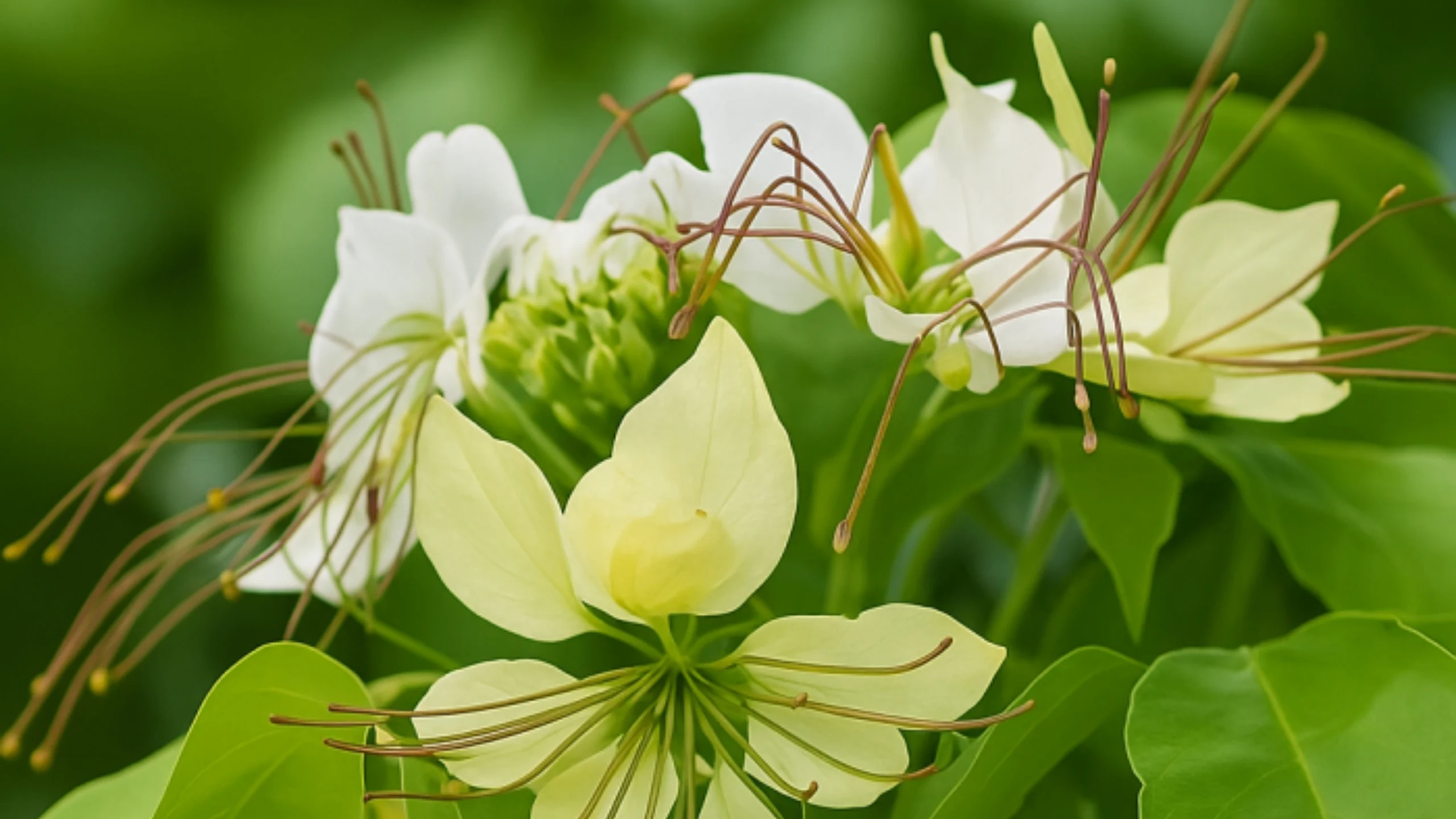
Varuna (Crataeva nurvala Buch.-Ham.) is a classical Ayurvedic medicinal plant traditionally referenced for its role in urinary tract disorders. In the context of renal calculi, its therapeutic relevance is associated with supportive management of Ashmari (urolithiasis), where it is integrated within Ayurvedic approaches aimed at urinary system regulation and stone-related symptom control.
Pathophysiological relevance of kidney stones
Kidney stone formation is associated with urinary supersaturation, crystal aggregation, and altered urinary biochemical balance, leading to stone development within the urinary tract. Clinically, this condition presents with pain, obstruction, and urinary disturbances. In Ayurvedic correlation, Ashmari is considered a disorder involving deranged Vata and Kapha, leading to obstruction and accumulation within urinary pathways.
Therapeutic relevance of Varuna in Ashmari
Varuna is traditionally utilized in Ayurvedic formulations targeting urinary tract obstruction and stone-related disorders. Its role is associated with support of urinary tract function and facilitation of stone-related symptomatic management within Ashmari conditions.
Key therapeutic roles include:
- Urinary tract support: Associated with functional regulation of urinary pathways
- Obstruction management: Supports reduction of obstructive processes in urinary tract conditions
- Stone-related symptom support: Used in traditional frameworks addressing discomfort associated with Ashmari
Clinical application in kidney stone management
Clinical applications of Varuna are described within Ayurvedic formulations used for urinary calculi management. It is commonly incorporated as part of multi-herbal preparations aimed at supporting urinary elimination and reducing symptom burden associated with stone formation.
Core application aspects include:
- Use in Ashmari management protocols within Ayurvedic practice
- Inclusion in polyherbal formulations targeting urinary system disorders
- Supportive role in urinary flow regulation and discomfort management 1
Pharmacological and mechanistic basis
Pharmacological evaluations of Crataeva nurvala indicate anti-urolithiatic, diuretic, and anti-inflammatory properties. These effects are associated with modulation of urinary crystal formation, support of urinary flow, and reduction of inflammatory responses in urinary tract tissues. Such multi-target activity contributes to its relevance in renal calculi management frameworks.
Mechanistic perspective in urolithiasis
In kidney stone pathology, crystal aggregation and urinary supersaturation play central roles in stone formation. Varuna is associated with modulation of these processes through urinary system support and regulation of stone-forming factors, contributing to improved urinary tract function.
Conclusion
Varuna (Crataeva nurvala) demonstrates significant therapeutic relevance in kidney stone management through its traditional Ayurvedic application in Ashmari and pharmacological anti-urolithiatic, diuretic, and anti-inflammatory properties. Its role supports urinary tract function, symptom management, and systemic regulation in urolithiasis conditions. 2
References:
- Kumari M, Tukaram D. Management of Mutrashmari (urolithiasis) with Palasha Kshara and Ashmarihara Kwatha: An open-labelled placebo-controlled clinical trial. Ayu. 2022;43(2):54-59. doi:10.4103/ayu.AYU_225_19. https://pmc.ncbi.nlm.nih.gov/articles/PMC10468020/
- Agarwal S, Gupta SJ, Saxena AK, Gupta N, Agarwal S. Urolithic property of Varuna (Crataeva nurvala): An experimental study. Ayu. 2010;31(3):361-366. doi:10.4103/0974-8520.77161. https://pmc.ncbi.nlm.nih.gov/articles/PMC3221072/