
Introduction
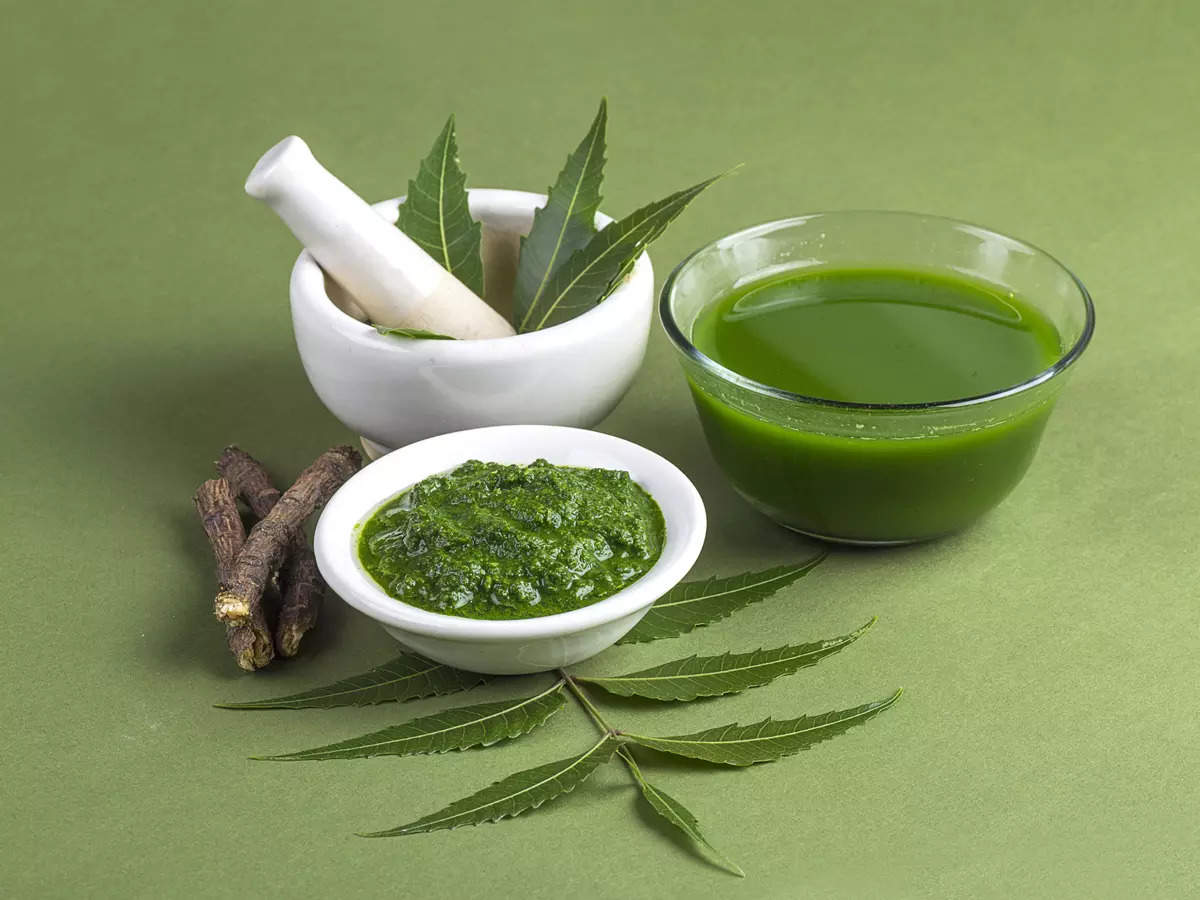
Breast cancer is a complex and heterogeneous malignancy driven by genetic mutations, hormonal influences, and dysregulated cellular signaling pathways. Despite advances in modern oncology, including surgery, chemotherapy, radiotherapy, targeted therapy, and immunotherapy, treatment-related toxicity and disease recurrence remain major challenges. This has led to growing interest in integrative oncology approaches that combine conventional treatments with evidence-based complementary therapies. Among medicinal plants, Azadirachta indica (Neem), widely used in traditional Ayurvedic medicine, has gained scientific attention for its potential anticancer, immunomodulatory, antioxidant, and chemopreventive properties. Neem is increasingly being explored as an adjunctive agent in breast cancer management to enhance therapeutic efficacy and improve patient outcomes.
Ayurvedic perspective on Neem
In Ayurveda, Neem is referred to as a potent Rasayana herb with Tikta (bitter) and Kashaya (astringent) properties.
- It is traditionally used for detoxification, blood purification, and the management of inflammatory and infectious conditions. From an Ayurvedic standpoint, Neem helps balance Pitta and Kapha doshas, which are often implicated in conditions involving abnormal tissue proliferation and metabolic dysfunction. Its role in reducing Ama (toxic metabolic byproducts) and supporting Agni (digestive and metabolic fire) is considered essential for restoring systemic equilibrium.
- In cancer-like conditions such as Arbuda, Neem is believed to help inhibit abnormal tissue growth while enhancing immune function and systemic cleansing. This traditional understanding aligns with modern research exploring its anticancer potential.
Bioactive compounds and mechanisms of action
Neem contains a wide range of biologically active compounds, including limonoids (such as azadirachtin, nimbin, and nimbolide), flavonoids, glycoproteins, and polysaccharides. These phytochemicals contribute to its multifaceted pharmacological effects, particularly in cancer biology.
- One of the key anticancer mechanisms of Neem is the induction of apoptosis (programmed cell death) in cancer cells. Studies have shown that Neem extracts can activate intrinsic apoptotic pathways by modulating mitochondrial function and regulating pro-apoptotic and anti-apoptotic proteins such as Bax and Bcl-2. Additionally, Neem compounds have been found to inhibit cancer cell proliferation by arresting the cell cycle at various phases, thereby preventing uncontrolled tumor growth.
- Neem also exhibits anti-angiogenic properties by suppressing the formation of new blood vessels required for tumor growth and metastasis. Furthermore, its anti-inflammatory effects are mediated through the inhibition of pro-inflammatory cytokines and signaling pathways such as NF-κB, which plays a critical role in cancer progression.
Immunomodulatory and antioxidant effects
The immune system plays a central role in cancer surveillance and elimination of malignant cells.
- Neem has demonstrated significant immunomodulatory effects by enhancing the activity of natural killer (NK) cells, macrophages, and T-lymphocytes. These immune cells are essential for identifying and destroying cancer cells.
- In addition, Neem’s antioxidant properties help neutralize reactive oxygen species (ROS), thereby reducing oxidative stress-induced DNA damage, which is a key factor in carcinogenesis. By maintaining redox balance, Neem may contribute to the prevention of tumor initiation and progression.
Role in breast cancer supportive care
As an adjunctive therapy in breast cancer, Neem may provide supportive benefits alongside conventional treatments.
- It has the potential to reduce chemotherapy-induced side effects such as inflammation, fatigue, and immunosuppression. Its hepatoprotective properties may also help mitigate drug-induced liver toxicity.
- Preclinical studies suggest that Neem extracts may enhance the sensitivity of cancer cells to chemotherapeutic agents, thereby improving treatment efficacy. However, its role in clinical oncology requires further validation through controlled clinical trials.
Safety and clinical considerations
While Neem is generally considered safe when used appropriately, its interaction with chemotherapeutic drugs must be carefully evaluated. Standardization of extracts, dosage optimization, and monitoring of herb-drug interactions are essential for safe integration into cancer treatment protocols.
Conclusion
Neem (Azadirachta indica) represents a promising adjunctive therapeutic agent in breast cancer management due to its anticancer, immunomodulatory, antioxidant, and anti-inflammatory properties. Its traditional use in Ayurveda aligns with emerging scientific evidence supporting its role in inhibiting tumor growth and enhancing immune function. When integrated with modern oncology, Neem may contribute to a more holistic and supportive cancer care approach. Further clinical research is essential to establish its safety, efficacy, and standardized application in integrative oncology practice.1
References:
- Badhe P, Khalid M. Azadirachta indica (Neem) as an adjunctive therapeutic in breast cancer: insights into apoptosis and angiogenesis inhibition. Biopress J Comput Life Sci (BJCLS). 2025;1(7):23-33. https://biopressjournals.com/index.php/BJCLS/article/view/95/82