
Introduction
The gut microbiota is a complex and dynamic ecosystem composed of trillions of microorganisms that play a central role in human health. It regulates digestion, nutrient metabolism, immune responses, and even neurobehavioral functions. Disruptions in microbial balance, known as dysbiosis, have been associated with a wide spectrum of disorders including obesity, diabetes, cardiovascular disease, inflammatory bowel disease (IBD), and irritable bowel syndrome (IBS). In recent years, herbal-based nutraceuticals have emerged as promising modulators of gut microbiota due to their bioactive compounds, including polyphenols, alkaloids, fibers, and essential oils. These plant-derived interventions, deeply rooted in traditional systems such as Ayurveda, are now being increasingly validated by modern microbiome research for their ability to restore intestinal homeostasis and improve health outcomes.
Gut microbiota and its role in health
The gut microbiome functions as a metabolic organ, influencing host physiology through fermentation of dietary components, production of short-chain fatty acids (SCFAs), synthesis of vitamins, and modulation of immune signaling pathways. A balanced microbial ecosystem supports intestinal barrier integrity, prevents pathogen colonization, and regulates inflammatory responses. Conversely, microbial imbalance can compromise gut permeability, leading to systemic inflammation and metabolic dysfunction. Therefore, maintaining microbial diversity and stability is essential for overall health.
Herbal nutraceuticals as microbiome modulators
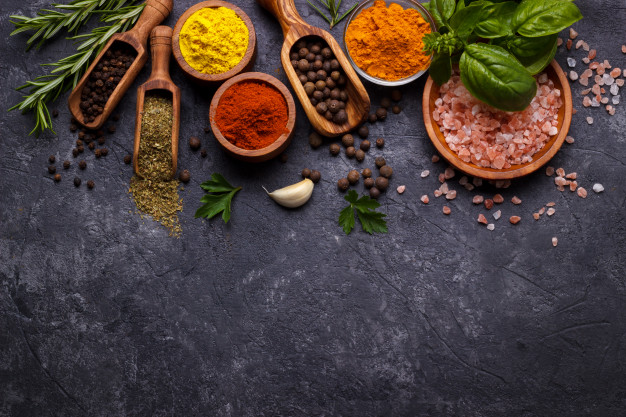
Herbal-based nutraceuticals are plant-derived products that provide nutritional and therapeutic benefits beyond basic nutrition.
- They include medicinal herbs, spices, and functional foods that influence physiological processes, particularly within the gastrointestinal system. These natural compounds can act as prebiotics, antimicrobial agents, antioxidants, and immunomodulators, thereby shaping the composition and function of the gut microbiota.
- Several commonly used herbs demonstrate significant prebiotic potential. For example, turmeric, chicory root, and flaxseed contain indigestible fibers and bioactive compounds that selectively stimulate beneficial gut bacteria such as Lactobacillus and Bifidobacterium. These microbes contribute to enhanced gut immunity, improved digestion, and increased production of SCFAs, which are critical for colon health and metabolic regulation.
Immunomodulatory and antimicrobial effects
Certain herbs exert immunomodulatory effects that indirectly influence gut microbial balance.
- Withania somnifera (ashwagandha), for instance, helps regulate immune responses and reduce inflammation, thereby creating a favorable environment for beneficial microbial growth. Similarly, antimicrobial herbs such as neem can suppress pathogenic bacterial overgrowth associated with metabolic dysfunction and gastrointestinal infections.
- However, excessive or inappropriate use of such antimicrobial herbs may disrupt microbial diversity, emphasizing the importance of balanced consumption and therapeutic guidance.
Polyphenols and gut microbial interaction
Polyphenol-rich herbs, including green tea and ginger, play a significant role in gut health due to their antioxidant and anti-inflammatory properties. These compounds are metabolized by gut bacteria into bioactive metabolites that further influence microbial composition and host physiology. Such interactions enhance the growth of beneficial bacteria while inhibiting harmful strains, contributing to a healthier intestinal environment.
Herbal formulations and gut barrier function
- Traditional Ayurvedic formulations such as Triphala—comprising Terminalia chebula, Terminalia bellirica, and Emblica officinalis—have been shown to improve gut barrier integrity and support microbial balance.
- These formulations enhance nutrient absorption while preventing the translocation of harmful substances into the bloodstream.
- Similarly, ginger has been found to improve gastrointestinal motility and support intestinal epithelial function, further strengthening gut health.
Therapeutic potential and future directions
The modulation of gut microbiota through herbal nutraceuticals presents a promising approach for managing lifestyle-related disorders. By restoring microbial balance and enhancing intestinal function, these interventions may help prevent and manage chronic conditions such as diabetes, obesity, and inflammatory diseases. However, gut microbiota is influenced by multiple factors including diet, genetics, environment, and lifestyle. Therefore, herbal interventions should be considered as part of a holistic strategy rather than isolated treatments.
Further research is needed to elucidate the precise mechanisms through which specific herbs interact with gut microbes and to identify optimal formulations for targeted therapeutic effects. Integrating traditional herbal knowledge with modern microbiome science could pave the way for innovative, personalized, and effective approaches to gut health management.
Conclusion
Herbal-based nutraceuticals represent a powerful and natural means of modulating the gut microbiota. Through their prebiotic, antimicrobial, antioxidant, and immunomodulatory properties, they contribute to maintaining microbial balance and supporting intestinal health. As scientific understanding of the gut microbiome continues to evolve, these plant-based interventions hold significant potential in addressing modern metabolic and gastrointestinal disorders. Integrating traditional wisdom with contemporary research offers a comprehensive pathway toward improving gut health and overall well-being.1
References:
- Salian S, Menon S. Ayurvedic Nutraceuticals and Their Impact on Gut Microbiota. REDVET Rev Electron Vet. 2024;25(1S):1499-1509. doi:10.69980/redvet.v25i1S.1267 https://www.researchgate.net/profile/Sudeep-Menon/publication/385252523_Ayurvedic_Nutraceuticals_And_Their_Impact_On_Gut_Microbiota/links/671c624855a5271cdeda266a/Ayurvedic-Nutraceuticals-And-Their-Impact-On-Gut-Microbiota.pdf