
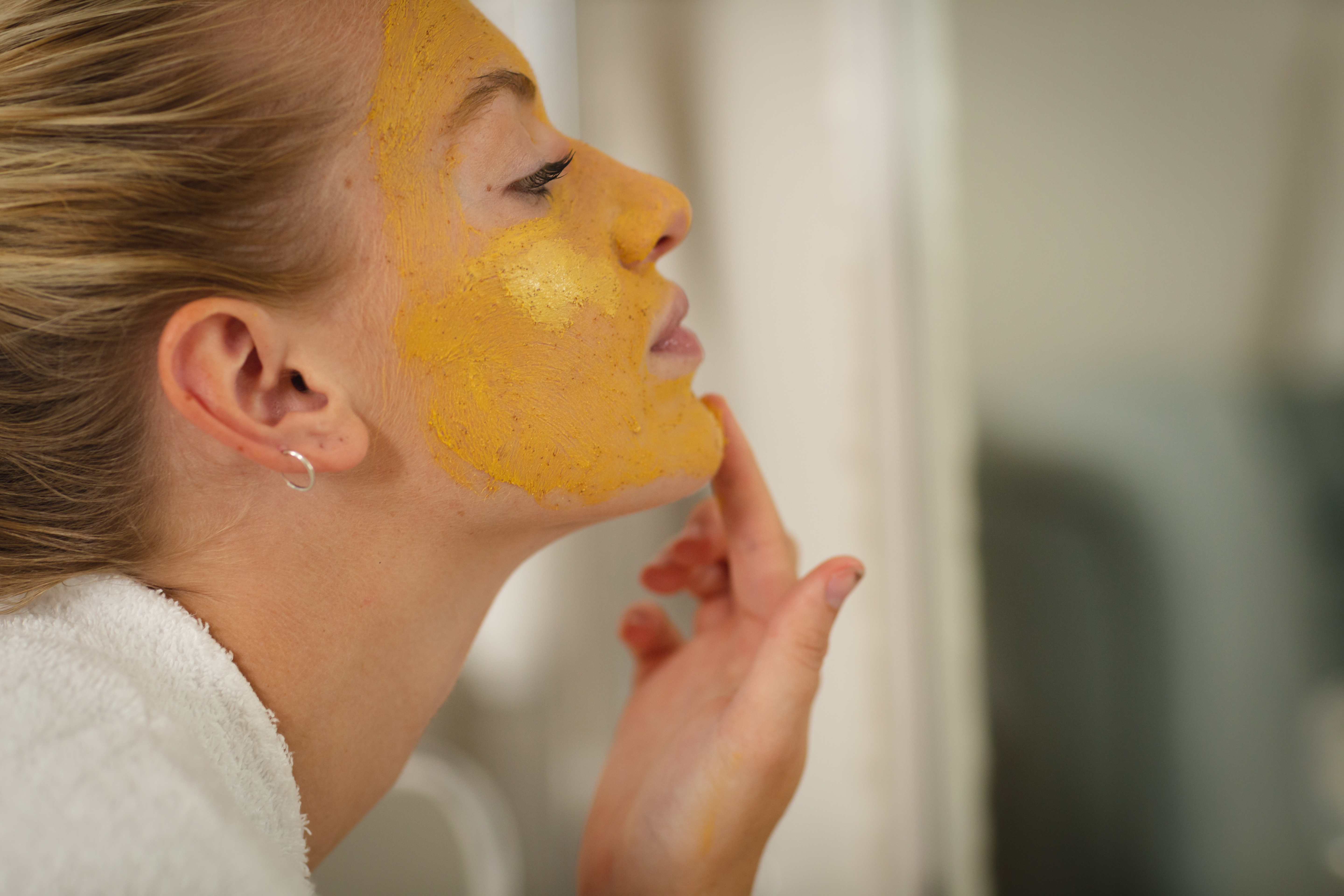
Facial pigmentation is influenced by melanin production within epidermal melanocytes, with eumelanin and pheomelanin contributing to differences in skin colour and response to ultraviolet exposure. Excessive or uneven pigmentation may occur in association with environmental exposure, inflammation, oxidative stress, and changes in melanocyte activity. Haridra (Curcuma longa), generally known as turmeric, traditionally valued in Ayurveda for its therapeutic applications, has attracted dermatological interest because of the biological activities of curcumin and other curcuminoids. Their antioxidant and anti inflammatory properties, together with potential effects on melanin synthesis, provide a scientific basis for investigating Haridra in pigmentation related skin conditions.1
Role of melanin in pigmentation
- Melanin is produced by melanocytes located in the epidermal layer and is a major determinant of skin colour.
- Eumelanin provides greater absorption of ultraviolet radiation and contributes to protection against sun induced skin damage.
- Pheomelanin has a lighter yellow to red colour and has lower ultraviolet absorption compared with eumelanin.
- Genetic factors, ultraviolet exposure, and hormones that stimulate melanocytes can influence the rate of melanin synthesis and contribute to variations in pigmentation.1
Potential role of Haridra in pigmentation
- Curcumin has antioxidant properties that may help reduce oxidative damage associated with skin ageing and pigmentation disorders.
- Curcumin has anti inflammatory activity that may be relevant to pigmentation associated with inflammatory skin conditions.
- Curcumin has been reported to inhibit tyrosinase, an enzyme involved in melanin production, providing a potential mechanism for reducing hyperpigmentation.
- Curcuminoids may support removal of dead skin cells and skin regeneration, which may contribute to improvement in the appearance of dark patches.
Evidence from dermatological applications
- Curcuminoids have potential applications in cosmeceutical preparations because of their antioxidant, anti inflammatory, and skin lightening properties.
- Studies have reported inhibition of collagenase, elastase, and hyaluronidase by curcuminoids, indicating potential effects on processes involved in skin ageing.
- Prolonged topical application of curcumin gel has been reported to improve the appearance of photodamaged skin, including pigmentary changes, solar lentigines, and actinic poikiloderma.
- Topical tetrahydrocurcumin has also been investigated in combination with narrowband ultraviolet B phototherapy, although the improvement in repigmentation was not statistically significant compared with phototherapy alone.2
Ayurvedic perspective
- Haridra has an established place in traditional Ayurvedic practice and is recognised for its broad therapeutic applications.
- Its contemporary antioxidant and anti inflammatory properties provide a scientific basis for investigating its topical relevance in pigmentation associated with inflammatory and oxidative processes.
- For Ayurvedic physicians, Haridra may therefore be considered as a potential supportive topical approach rather than a proven treatment for facial pigmentation.
- Clinical use should consider the underlying cause of pigmentation, duration, associated inflammation, and individual skin characteristics.2
Clinical interpretation
- The available evidence supports further investigation of topical Haridra and curcuminoids for facial pigmentation, particularly where oxidative stress and inflammation may contribute.
- Current evidence includes study findings and topical dermatological studies, and therefore should not be interpreted as definitive evidence of clinical efficacy for all forms of facial pigmentation.2
Conclusion
Haridra and its curcuminoids have potential relevance to facial pigmentation through antioxidant, anti-inflammatory, and possible tyrosinase inhibitory effects. These mechanisms may be particularly relevant to pigmentation associated with oxidative stress, inflammation, and photodamage. From an Ayurvedic perspective, Haridra provides an established traditional medicinal context alongside emerging dermatological evidence. However, further well-designed clinical studies are required to establish its effectiveness, appropriate topical preparation, duration of use, and role in the management of specific pigmentation disorders.2
References:
1. Thawabteh AM, Jibreen A, Karaman D, Thawabteh A, Karaman R. Skin Pigmentation Types, Causes and Treatment-A Review. Molecules. 2023;28(12):4839. Published 2023 Jun 18. doi:10.3390/molecules28124839. https://pmc.ncbi.nlm.nih.gov/articles/PMC10304091/
2. Gopinath H, Karthikeyan K. Turmeric: a condiment, cosmetic and cure. Indian J Dermatol Venereol Leprol. 2018;84(1):16-21. doi:10.4103/ijdvl.IJDVL_1173_16. https://ijdvl.com/turmeric-a-condiment-cosmetic-and-cure/