
Introduction
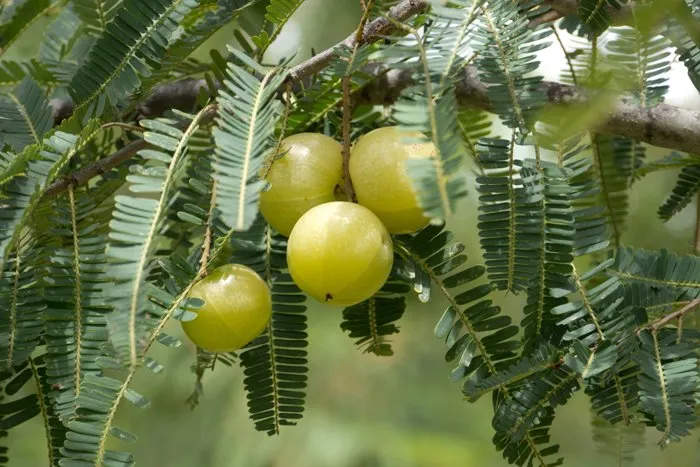
Āmalaki (Emblica officinalis) is a classical Rasāyana drug described in Ayurveda for its role in health maintenance, immunity support, and systemic rejuvenation. Traditional Āmalaki Rasāyana formulations are prepared according to classical guidelines and are associated with immune-supportive and protective physiological actions. Contemporary evaluation highlights its relevance in immune modulation and oxidative balance.
Immunomodulatory relevance of Āmalaki Rasāyana
Experimental evaluation of Āmalaki Rasāyana formulations indicates immune-modulating activity under conditions of induced immunosuppression. These formulations are associated with modulation of immune response parameters, particularly related to humoral immunity, along with supportive effects on immune system functioning under stress conditions.
Within a Rasāyana framework, Āmalaki Rasāyana is associated with immune regulation and systemic protection. Variations in formulation preparation are linked with differences in immune response modulation and cytoprotective activity profiles, indicating formulation-dependent biological responses.
Cytoprotective and systemic supportive effects
Āmalaki Rasāyana formulations are associated with cytoprotective activity alongside immunostimulatory effects. These actions are considered relevant in conditions involving systemic stress and immune suppression, where cellular protection and functional restoration are required.
Phytochemical basis of activity
Āmalaki contains a high concentration of bioactive compounds, particularly polyphenols and vitamin C (ascorbic acid). These constituents are associated with antioxidant activity and support of endogenous antioxidant defense systems. This biochemical profile contributes to improved oxidative balance and cellular protection.
Pharmacological and health-promoting properties
The bioactive profile of Āmalaki extends beyond immunomodulation to broader physiological effects. Antioxidant activity is associated with systemic protection, while additional functional roles are linked to metabolic and organ system support. These include regulation of lipid metabolism, glucose balance, and inflammatory pathways, along with support for digestive and neurological functions.
Overall, the phytochemical composition supports its role in health maintenance and disease prevention-oriented applications within traditional and contemporary contexts.
Ayurvedic therapeutic relevance
Within Ayurveda, Āmalaki is categorized under Rasāyana therapy, emphasizing rejuvenation, longevity support, and enhancement of systemic resilience. Its classical usage aligns with immune strengthening, tissue nourishment, and restoration of physiological balance.
Conclusion
Āmalaki (Emblica officinalis) and its Rasāyana formulations are associated with immunomodulatory and cytoprotective activities, supported by polyphenol- and vitamin C–rich phytochemistry. These properties contribute to immune regulation, antioxidant defense, and systemic health maintenance within an Ayurvedic Rasāyana framework.1,2
References:
- Rajani J, Ashok BK, Galib, Patgiri BJ, Prajapati PK, Ravishankar B. Immunomodulatory activity of Āmalaki Rasāyana: An experimental evaluation. Anc Sci Life. 2012;32(2):93-98. doi:10.4103/0257-7941.118546. https://pmc.ncbi.nlm.nih.gov/articles/PMC3807964/
- Gul M, Liu ZW, Iahtisham-Ul-Haq, et al. Functional and Nutraceutical Significance of Amla (Phyllanthus emblica L.): A Review. Antioxidants (Basel). 2022;11(5):816. Published 2022 Apr 22. doi:10.3390/antiox11050816. https://pmc.ncbi.nlm.nih.gov/articles/PMC9137578/