
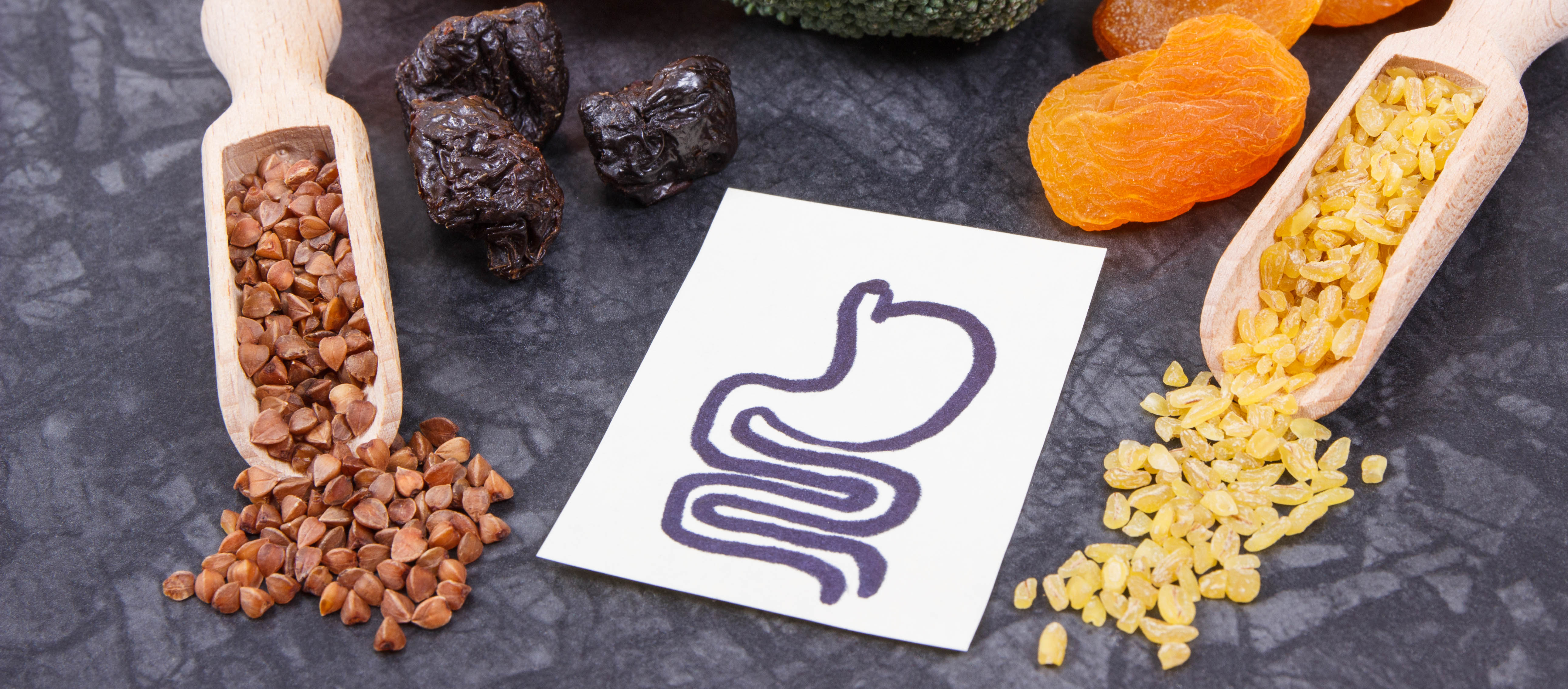
Irritable bowel syndrome: Clinical features and disease burden
Irritable bowel syndrome (IBS) is a common functional gastrointestinal (GI) disorder characterized by altered bowel habits and recurrent abdominal pain or discomfort, without identifiable biochemical or structural abnormalities that adequately explain the symptoms. This chronic condition can impose a substantial economic and psychological burden on affected individuals, contributing to reduced quality of life and increased morbidity.
The estimated global prevalence of IBS is 11.2%, whereas community-based studies in India report lower prevalence rates of approximately 4–7%. Clinical manifestations are variable and may include irregular bowel habits, such as constipation, diarrhea, or alternating episodes of both; pellet-like stools; an exaggerated gastrocolic reflex; abdominal discomfort; and weight loss in approximately 20% of patients.
According to the Rome IV criteria, IBS is classified into four subtypes: constipation-predominant (IBS-C), diarrhea-predominant (IBS-D), mixed (IBS-M), and unclassified (IBS-U). Diagnosis is primarily based on clinical symptoms and the appropriate exclusion of other conditions when indicated. IBS is a multifactorial disorder involving complex interactions among the neurological, immune, digestive, microbiome, and environmental systems. Conventional management may include bulk-forming agents, antispasmodics, antidepressants, and other symptom-directed therapies, although treatment effectiveness varies, and some interventions carry potential adverse effects. These limitations support the exploration of complementary approaches, including Ayurvedic management, while maintaining appropriate clinical evaluation and evidence-based care.
Ayurvedic understanding of Grahani roga
In Ayurveda, IBS shares certain clinical features with Grahani Roga, a Tridoshatmaka disorder associated with disturbances in Vata, Pitta, and Kapha that primarily affects Grahani, the digestive system. Its classification among the Ashta Mahagada (eight challenging disorders) highlights its significance in Ayurvedic medicine. Grahani, situated above the Nabhi (navel), is described as a structure involved in receiving, retaining, and digesting food. According to Sushruta, Grahani, also referred to as Pittadhara Kala (the tissue layer associated with digestive Pitta), is located between the stomach (Amashaya) and the large intestine (Pakvashaya).
Etiology and pathophysiology of Grahani roga
According to Charaka, Grahani Roga may arise from improper dietary and lifestyle practices, including excessive fasting (Abhojanata), eating before the previous meal has been digested (Ajeernabhojanata), overeating (Atibhojanata), irregular eating patterns (Vishamashanata), and suppression of natural urges (Vegavidharanata). These practices are described as disturbing the Doshas (regulatory factors) and Srotasas (bodily channels), including the excretory (Purishavaha), digestive (Annavaha), neurological (Vatavaha), and psychological (Manovaha) pathways. This disturbance may impair Agni (digestive capacity), resulting in Agnimandya and compromised digestive function.
The Ayurvedic pathophysiology of Grahani Roga involves impaired functioning of Pachaka Pitta (digestive Pitta), Samana Vata (associated with digestion and assimilation), and Kledaka Kapha (associated with food lubrication). These disturbances are traditionally linked to symptoms such as alternating constipation and diarrhea (Muhurbaddha-Muhurdrava), frequent bowel movements (Bahusho Vimunchoti), painful, foul-smelling stools containing undigested food (Sarujama Ama-apakwa Puti Malapravritti), depressed mental state (Manasa Sadanama), and weakness (Dourbalya).
Ayurvedic management principles for Grahani roga
Ayurvedic management emphasizes individualized treatment based on the presenting symptoms and underlying Dosha disturbances. Key principles include1:
- Avoidance of causative factors (Nidana Parivarjana)
- Digestion of incompletely processed substances (Amapachana)
- Stimulation of digestive capacity (Agnideepana)
- Regulation and stabilization of stool (Sangrahana)
- Elimination of aggravated Doshas through appropriate purification procedures (Shodhana)
- Pacification of Doshas (Shamana).
These approaches aim to restore digestive function and improve bowel regularity. Their application to IBS should be guided by clinical assessment, treatment safety, and available evidence.
Role of Yoga in managing IBS
Yoga integrates mental and physical disciplines to promote personal transformation and support overall well-being, aligning with the WHO’s holistic vision of health.
- Yoga emphasizes body awareness and physical discipline, which may encourage healthier dietary and exercise habits and potentially support the management of IBS symptoms. Several studies suggest that yoga can enhance individuals’ sense of connection with their bodies, including awareness of internal and external bodily processes, while promoting a positive body experience and overall well-being.
- A four-week yoga intervention involving daily home practice in adolescents with IBS has been associated with reduced functional disability, decreased use of emotion-focused avoidance strategies, and lower anxiety levels compared with the control group.
Plant-derived therapies in IBS
- Peppermint oil:
Peppermint oil is extracted from the perennial flowering plant Mentha piperita. Its effects in IBS involve several pathophysiological pathways, and studies have demonstrated its potential as a therapeutic option for this disorder. Clinical trials conducted before the introduction of the Rome IV criteria reported improvements in IBS symptoms with peppermint oil. In a prospective, double-blind, randomized controlled trial, 4 weeks of treatment with peppermint oil (two capsules twice daily) improved abdominal symptoms compared with placebo. Similarly, an 8-week randomized, double-blind, placebo-controlled study involving 90 participants found that peppermint oil (one capsule three times daily) significantly reduced abdominal pain or discomfort compared with placebo.
- Iberogast:
Iberogast is a combination of nine hydroalcoholic herbal extracts: chamomile flower (Matricariae flos from Matricaria chamomilla; 20%), bitter candytuft (Iberis amara; 15%), lemon balm leaf (Melissae folium from Melissa officinalis; 10%), caraway fruit (Carvi fructus from Carum carvi; 10%), liquorice root (Liquiritiae radix from Glycyrrhiza glabra; 10%), peppermint leaf (Menthae piperitae folium from Mentha × piperita; 5%), angelica root (Angelicae radix from Angelica archangelica; 10%), milk thistle fruit (Cardui mariae fructus from Silybum marianum; 10%), and greater celandine herb (Chelidonium majus; 10%).
- Iberogast reduces intestinal afferent sensitivity and reverses stress-induced and post-inflammatory colonic hypersensitivity. These mechanisms may help alleviate abdominal pain and bloating.
- It also exhibits anti-inflammatory properties by inhibiting the expression of inflammatory mediators. Changes in the gut microbiome may further contribute to its anti-inflammatory effects.
- Iberogast has been associated with increased relative abundances of Gram-positive anaerobic bacterial groups, including Bifidobacteriaceae, Eggerthellaceae, Lachnospiraceae, Ruminococcaceae, Clostridiales Family XIII, and Erysipelotrichaceae, alongside a marginal decrease in the abundance of the Gram-negative facultative anaerobic family Enterobacteriaceae.
- Curcuma longa or turmeric (Curcumin):
In addition to its antioxidant and anti-inflammatory properties, Curcuma longa (turmeric), which contains curcumin, demethoxycurcumin, bisdemethoxycurcumin, and sesquiterpenes, may help improve gastrointestinal symptoms in patients with IBS. Curcumin, its principal active constituent, has shown potential benefits in clinical studies. Human trials have demonstrated improvements in IBS-related gastrointestinal symptoms with turmeric administered alone (one or two tablets containing 72 mg once daily for 8 weeks), and in combination with Boswellia serrata (one 500 mg tablet containing 17–23% w/w curcumin, taken twice daily for one month).
Insights from International Guidelines2
|
Guidelines |
Recommendations |
|
American College of Gastroenterology (ACG) |
Peppermint Oil: First-line treatment; might be recommended |
|
British Society of Gastroenterology (BSG) |
|
|
United European Gastroenterology (UEG)/ European Society for Neurogastroenterology and Motility (ESNM) |
Peppermint Oil: As an antispasmodic agent (4–12 weeks): First line treatment; might be recommended |
|
Asian consensus |
Peppermint Oil, Kampo (Japanese Traditional Medicine), Traditional Chinese Medicine (TCM): Might be recommended |
|
ESPGHAN and NASPGHAN |
Peppermint Oil: Might be recommended |
Conclusion
Ayurvedic management of IBS, understood in relation to Grahani Roga, emphasizes restoring digestive function through individualized dietary and lifestyle modifications, regulation of Agni, and appropriate therapeutic interventions. Yoga and plant-derived therapies, including peppermint oil, Iberogast, and turmeric, may help alleviate gastrointestinal symptoms and support overall well-being. However, their effectiveness and safety vary, and further high-quality clinical research is needed to establish their role in IBS management. Integrating these approaches with appropriate diagnostic evaluation and evidence-based conventional care may support a holistic, patient-centered management strategy.
References:
- Mungale MM, Thatere AA. Ayurvedic management of Irritable Bowel Syndrome (Grahani Roga): A case report. J Ayurveda Integr Med. 2026;17(4):101377. doi:10.1016/j.jaim.2026.101377. https://pmc.ncbi.nlm.nih.gov/articles/PMC13427539/
- Pastras P, Aggeletopoulou I, Bali M, Triantos C. Plant-Derived Treatments for IBS: Clinical Outcomes, Mechanistic Insights, and Their Position in International Guidelines. Nutrients. 2026;18(2):183. Published 2026 Jan 6. doi:10.3390/nu18020183. https://pmc.ncbi.nlm.nih.gov/articles/PMC12845297/