
Introduction
Male sexual dysfunction is a multifactorial condition involving hormonal imbalance, psychological stress, vascular insufficiency, oxidative stress, and aging. Common manifestations include decreased libido, erectile difficulties, reduced sperm count, and infertility. Despite advances in pharmacotherapy, interest in natural therapies that support reproductive health remains high.
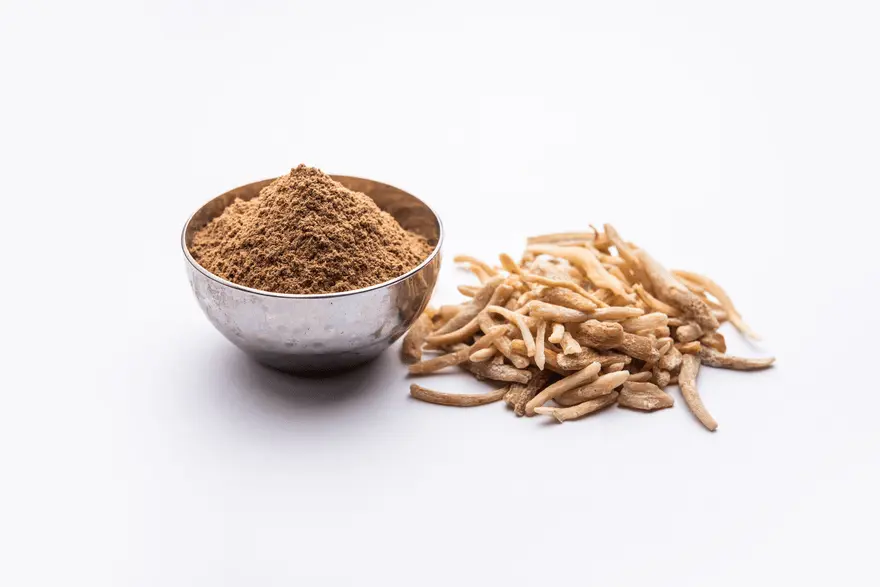
In Ayurveda, reproductive competence depends on the proper nourishment of Shukra Dhatu. Safed Musli is considered a potent Vajikarana Dravya that promotes reproductive tissue health, physical endurance, and sexual vigor. Its traditional reputation as “Herbal Viagra” has prompted extensive pharmacological investigation.1
Ayurvedic perspective
Safed Musli is traditionally described as:
- Madhura Rasa (sweet taste)
- Guru and Snigdha Guna (heavy and unctuous qualities)
- Sheeta Virya (cool potency)
- Madhura Vipaka
- Balya (strength promoting)
- Rasayana (rejuvenative)
- Vajikarana (aphrodisiac and fertility enhancer)
These properties contribute to nourishment of Shukra Dhatu and improvement of reproductive function.
Phytochemical constituents
The therapeutic effects of Safed Musli are primarily attributed to:
- Steroidal saponins (saponin glycosides)
- Alkaloids
- Polysaccharides
- Flavonoids
- Phenolic compounds
- Essential minerals
These constituents contribute to antioxidant, adaptogenic, and reproductive-supportive activities.
Mechanisms in male sexual dysfunction
Enhancement of testosterone and androgenic activity:
Experimental studies suggest that Safed Musli supports androgenic function and may improve testosterone-mediated reproductive processes, contributing to enhanced libido and sexual performance.
Improvement of spermatogenesis:
Safed Musli has been shown to improve sperm count, sperm motility, and semen quality in experimental and clinical studies, supporting its traditional use in male infertility.
Antioxidant protection:
Oxidative stress is a major contributor to sperm dysfunction. The antioxidant constituents of Safed Musli reduce lipid peroxidation and protect spermatozoa from oxidative damage.2
Adaptogenic and anti-stress effects:
Psychological stress adversely affects reproductive hormones and sexual function. Safed Musli exhibits adaptogenic properties that may help improve reproductive health through stress reduction.
Improvement of physical endurance:
The herb is traditionally used to enhance strength, stamina, and vitality, factors that indirectly contribute to improved sexual health and performance.
Clinical applications
Safed Musli is commonly utilized in:
- Reduced libido
- Male infertility
- Oligospermia
- Erectile dysfunction
- Stress-related sexual dysfunction
- General debility and fatigue
- Reproductive weakness associated with aging
It is frequently included in Ayurvedic Vajikarana formulations and rejuvenative therapies.
Safety profile
Available studies suggest that Safed Musli is generally well tolerated when used in recommended doses. However, larger long-term clinical studies are needed to establish standardized therapeutic protocols and safety parameters.
Conclusion
Safed Musli (Chlorophytum borivilianum) is an important Vajikarana and Rasayana herb with promising benefits in male sexual dysfunction and reproductive health. Its traditional use is supported by emerging evidence demonstrating androgen-supportive, spermatogenic, antioxidant, and adaptogenic activities. By improving semen quality, reproductive vitality, and overall physical strength, Safed Musli represents a valuable herbal option in the integrative management of male reproductive disorders.
Reference:
- Rath SK, Panja AK. Clinical evaluation of root tubers of Shweta Musali (Chlorophytum borivilianum L.) and its effect on semen and testosterone. Ayu. 2013;34(3):273-275. doi:10.4103/0974-8520.123118 https://pmc.ncbi.nlm.nih.gov/articles/PMC3902593/
- Mararajah S, Giribabu N, Salleh N. Chlorophytum borivilianum aqueous root extract prevents deterioration of testicular function in mice and preserves human sperm function in hydrogen peroxide (H2O2)-induced oxidative stress. J Ethnopharmacol. 2024 Jan 10;318(Pt B):117026. doi: 10.1016/j.jep.2023.117026. Epub 2023 Aug 10. PMID: 37572930. https://pubmed.ncbi.nlm.nih.gov/37572930/