
Allergic rhinitis: A growing global and Indian burden
Allergic rhinitis is one of the most prevalent allergic disorders worldwide, with variations in prevalence between men and women. More than 600 million individuals are estimated to be affected globally. The prevalence of allergic rhinitis among adults worldwide is approximately 10–30%. In India, recent studies suggest a notable rise in allergic rhinitis over the past two decades, with reported prevalence rates ranging from 20% to 30%. This increasing burden highlights the need for effective approaches to prevention and symptom management.1
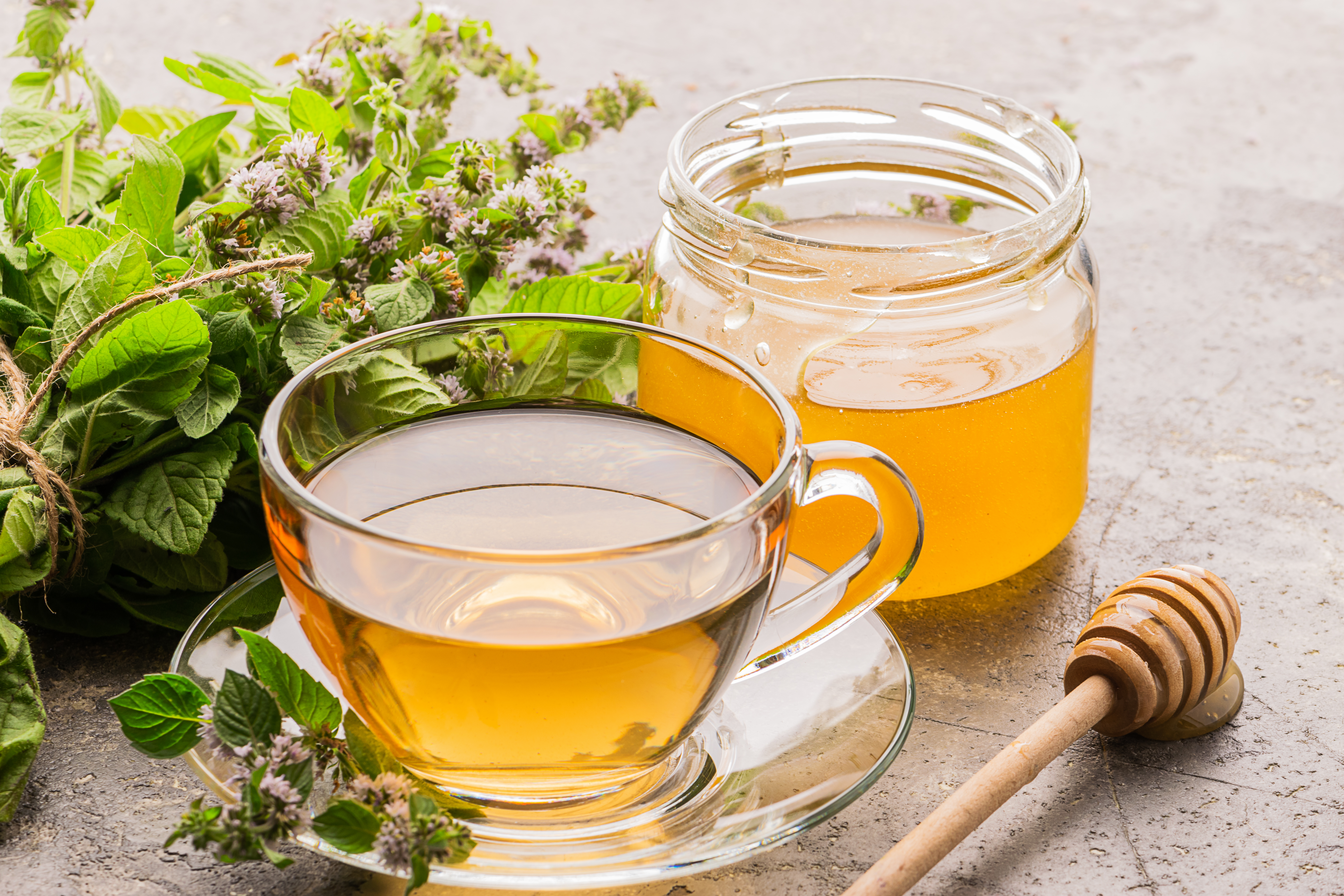
Tulsi: A traditionally valued medicinal herb
Tulsi (Ocimum tenuiflorum), commonly known as holy basil, is a revered medicinal herb belonging to the Lamiaceae family. It holds significant cultural and spiritual importance in India and has been traditionally used for centuries because of its diverse therapeutic properties. Tulsi has been recommended in traditional practice for various conditions, including skin disorders, arthritis, and inflammatory conditions, and has also been explored for potential roles in reducing cancer risk. Often referred to as the “Queen of Herbs,” Tulsi is also traditionally valued for its potential to alleviate stress and anxiety and support overall relaxation and well-being.2
Due to its bioactive constituents, Tulsi has traditionally been used to manage respiratory conditions such as colds, bronchitis, asthma, influenza, and cough. Tulsi extract is often referred to as the “Extract of Life” due to its traditional association with longevity. Chewing Tulsi leaves and consuming Tulsi-infused boiled water may help relieve cold and flu symptoms, soothe a sore throat, and support the management of respiratory disorders.3 Tulsi is also recognized for a range of reported therapeutic properties, including adaptogenic, antibacterial, anti-inflammatory, cardioprotective, and immunomodulatory effects.
Allergic response and clinical manifestations
The allergic response generally occurs in three main phases: IgE-mediated allergic sensitization, allergen exposure or challenge, and subsequent triggering of clinical symptoms. Allergic rhinitis is estimated to affect approximately 5–22% of the population and is considered one of the most common atopic disorders. Typical clinical manifestations include rhinorrhea, nasal congestion, sneezing, and nasal itching, which may vary in severity depending on the extent of allergen exposure.
Clinical evidence

- Interpretation: Intranasal administration of basil oil was reported to be effective in patients with allergic rhinitis, reducing nasal obstruction, fullness, sneezing, cough, facial pain and pressure, and nasal congestion, while improving sleep quality.4
Basil oil, which possesses antibacterial, anti-inflammatory, and antimicrobial properties, may help alleviate sinonasal symptoms, including sneezing, mucosal discharge, nasal obstruction, postnasal drip, thick mucus, rhinorrhea, facial pain, and cough. When administered intranasally, the essential oil may stimulate the nasal mucosa and facilitate the clearance of mucus from the nasal passages and sinuses. This approach has been associated with a significant reduction in allergy symptom severity and antihistamine use compared with antihistamine therapy alone.
Basil drops may improve nasal mucosal function through several physiological mechanisms, including direct cleansing, removal of inflammatory mediators, and enhancement of mucociliary function, as indicated by an increase in ciliary beat frequency.
Conclusion
Tulsi, traditionally valued for its anti-inflammatory and respiratory health benefits, may offer potential complementary support in allergic rhinitis management. Preliminary findings on intranasal basil oil suggest possible improvements in sinonasal symptoms, mucociliary function, and sleep quality. Thus, basil oil drops can be used as treatment for reduction of symptoms of allergic rhinitis.
Reference:
- Kameswaran M, Kapre M, Gupta N, et al. Indian Expert Consensus on Allergic Rhinitis in Women: A Modified Delphi Survey. J Assoc Physicians India. 2026;74(4):e13-e20. doi:10.59556/japi.74.1373. https://www.japi.org/article/japi-74-4-e13
- Patel R, Prakasam A, Joseph RP, Patel B, Patel B. ANCIENT HERB, MODERN APPLICATIONS: IMMUNOLOGICAL POTENTIAL OF OCIMUM TENUIFLORUM IN RESPIRATORY AND NEUROPSYCHOLOGICAL HEALTH. PharmaNutrition. 2026 Jan 22:100475. https://www.sciencedirect.com/science/article/abs/pii/S2213434426000046
- Baskaran N, Thangavel T, Soundararajan S. Comparative molecular docking analysis of Ocimum sanctum compounds and anti-allergic drugs against allergic rhinitis targets. J Med Inform. 2025;1(1):17-24. https://jomi.aayvu.com/pdf-209942-128317?filename=Comparative%20Molecular.pdf
- Sharma R, Shashikiran HC, Shetty P, Sharma S. Immediate effect of Osimum sanctum (holy basil) oil administration in patients with allergic rhinitis. Eur J Biomed Pharm Sci. 2019;6(13):293-297. https://storage.googleapis.com/innctech/ejbps/article_issue/volume_6_december_issue_13/1575028967.pdf